Portuguese Riviera
Cascais, Sintra, Lisbon
Sardines and fairytales
Portugal is a top choice for travelers looking for their first solo trip - it was mine! Full of warm people, safe cities and towns, absolutely gorgeous landscapes, and a renowned wine industry, Portugal had a travel boom in the early 2010s and the country rose to the occasion. Back then, I started my first solo trip with 2 weeks in Portugal, staying in Cascais and spending most days in Sintra where I was taking a class. Returning ten years later, again solo, has proven that Portugal is still where I would recommend first-time solo travelers to book.
Cascais
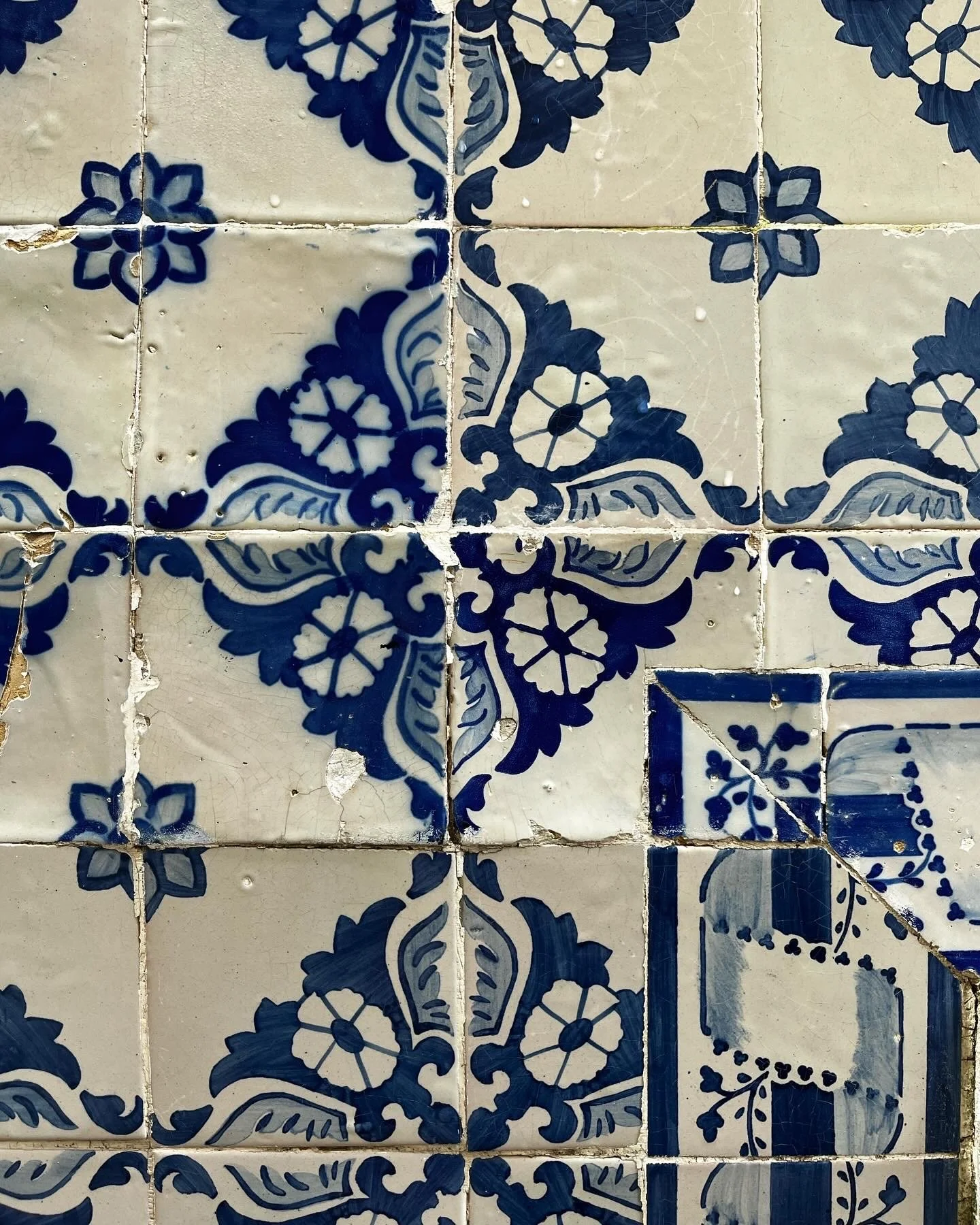
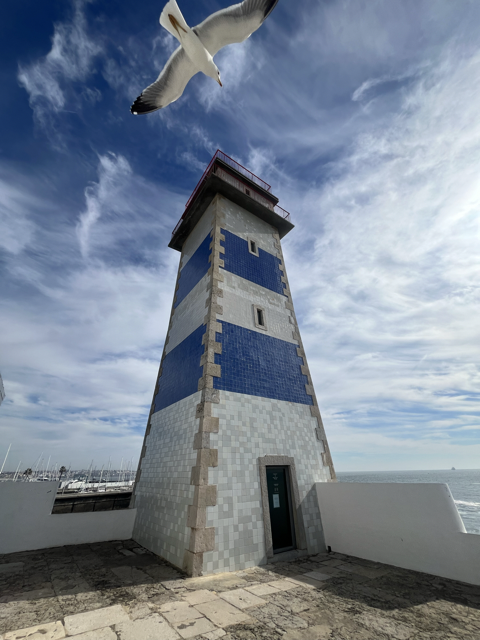
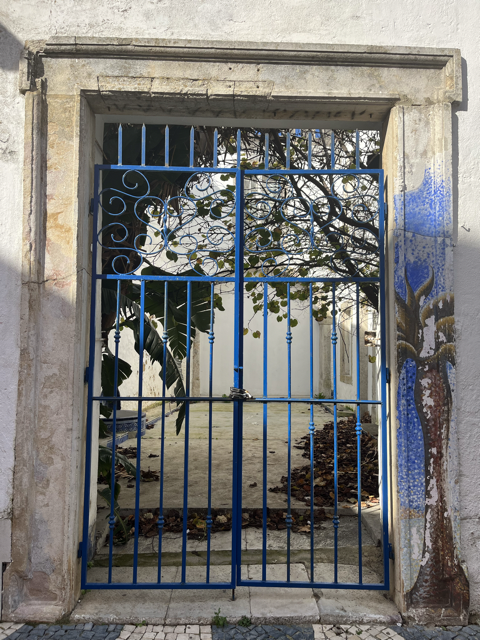
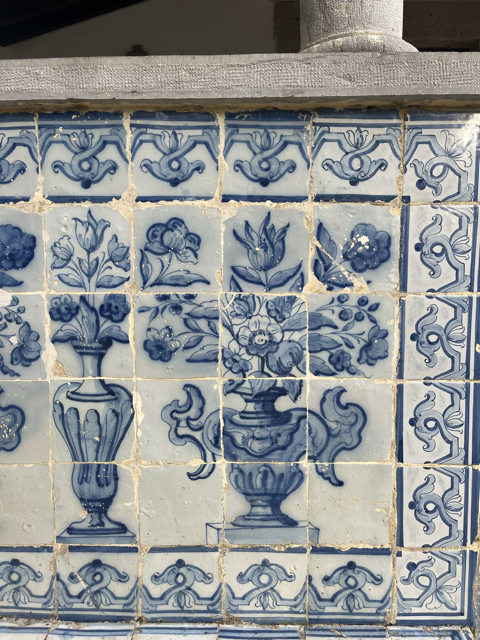
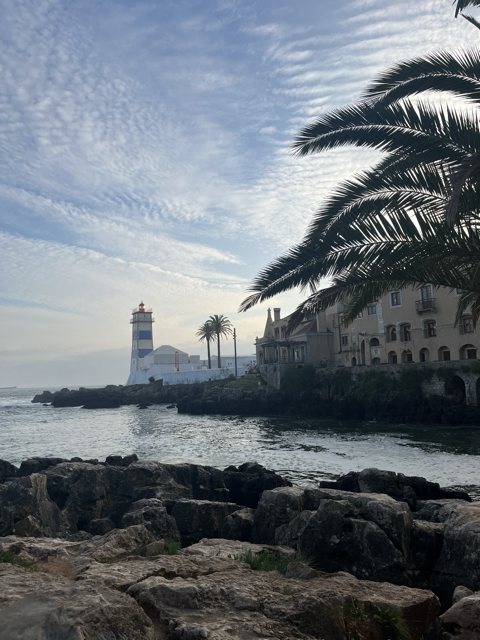
Affectionately pronounced “cash-caish,” this beach resort was my first European home base ever, over ten years ago while taking summer classes across the Iberian Peninsula in grad school. Enamored by the singular striped Farol de Santa Marta, I quickly made myself at home here among the beaches, pasteis de nata, and ever-stunning azulejos and stucco exteriors.
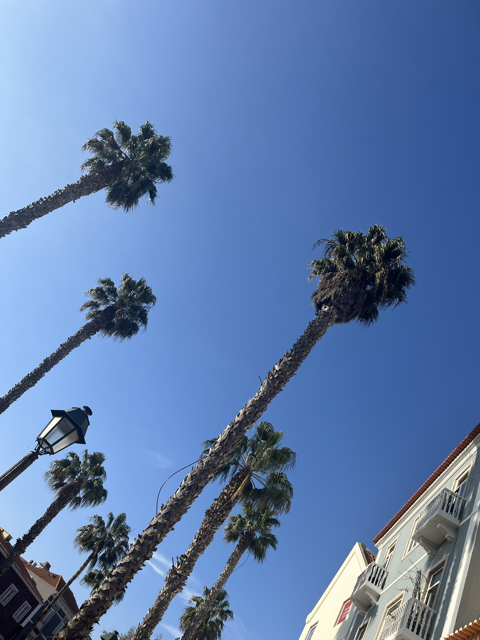
This time around, I found Cascsis mostly as I had left it: families on holiday stretched out on the sand, friendly games of beach volleyball, the sun shining down on gelado indulgers (the beach town gets over 300 days of sun yearly), and charming walkable neighborhoods and promenades. One thing was very different though: it was winter, not summer. I was amazed that even in the coldest time of year, Cascais was still green with life.
On my recent weeklong trip, I made sure to retrace my steps, repeating all of my favorite things. There were exactly four things on my itinerary:
Farol de Santa Marta: Blue and white stripes, it’s just the coolest lighthouse I’ve ever seen.
Santini gelato - strawberry and mango in a cone: Santini has moved locations in ten years. When I was studying, I dangerously lived in an apartment directly above it. It’s since moved down the street to a larger location.
Praia da Rainha: Being the winter, the beach wasn’t crowded like it is in the summer, but otherwise, nothing much has changed.
Portuguese tapas. Not shown because I didn’t take a picture ten years ago, and for the life of me, I couldn’t find the restaurant upon my return. Sadly, the location of the absolute best meal of my Portuguese study trip must have closed. I still remember how wide my eyes got with every bite of seafood during that meal with some fellow classmates. I still managed to have some seafood on my return trip, but it just wasn’t the same
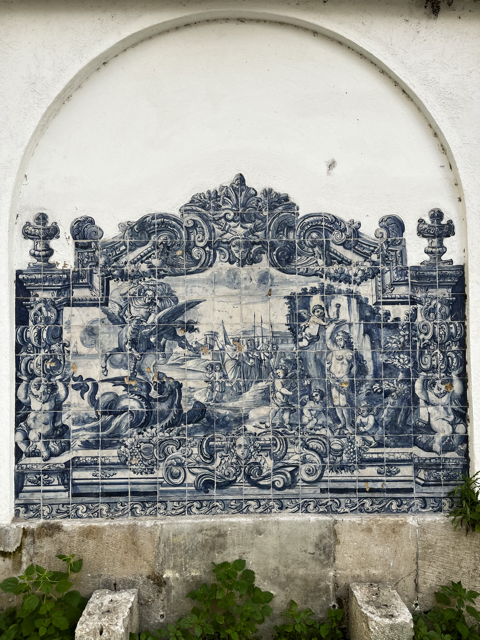
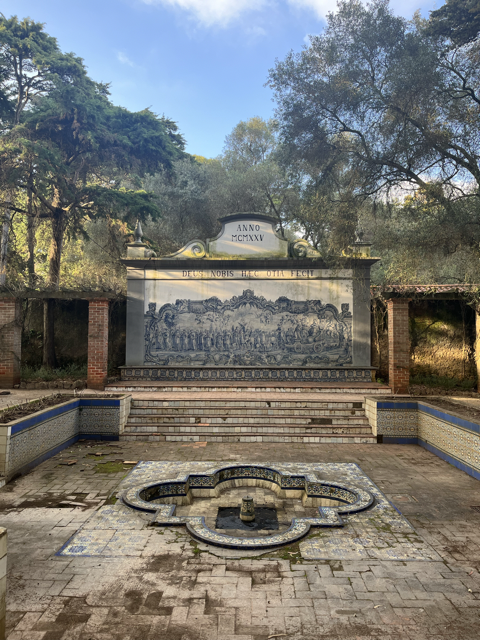
A new favorite stop is the 19th-century Conde de Castro Guimarães Museum located at the Parque Marechal Carmona, where tiled murals look like real-life Renaissance paintings. Roosters and peacocks roam free here, there are cloisters to slalom, and the Capela de São Sebastião c. 1594 still stands.
To eat: Apèro at House of Wonders, octopus at O Pescador, and strawberry and mango gelado at Santini.
Sintra
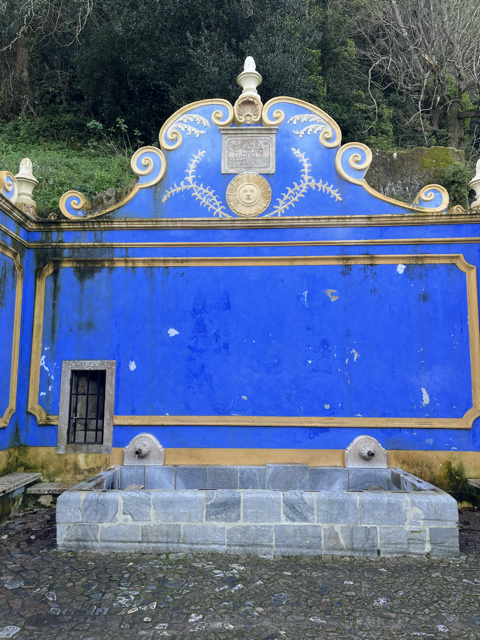
Up-in-the-mountains Sintra is heavily influenced by running water. Walk ten minutes and you’ll pass ten fountains. You’ll probably pass Fonte de Mourisca first as it’s along the main winding road that connects the quaint train station part of town to the vertical part of town. If you climb and climb, you’ll come across the Klein blue Fonte da Sabuga, an almost unnatural shade to contrast the otherwise leafy green backdrop.
Never one for itineraries, there are some things in Sintra that must be done. Take it from someone who studied here during grad school and was introduced to the town by some very knowledgeable people. First, you must carb load. Built into a mountain, you’ll be walking up or down most of the time. You’ll go to Cafe Saudade, no exceptions. Here, you’ll have your pick at traditional Portuguese pastries, but you’ll get a travesseiro (because I said so).
Then, you’ll meander. If you want to transform your visit into something out of a fairy tale, you’ll go to lush Quinta da Regaleira. Home of the Instagram-famous inverted Initiation Well, its Manueline architecture and dreamy gardens are vast and just really pretty. Ensure you find the green, green grotto and hop along the stones. You’ll need a few hours to roam, which won’t feel like enough. There is always something else around the corner.
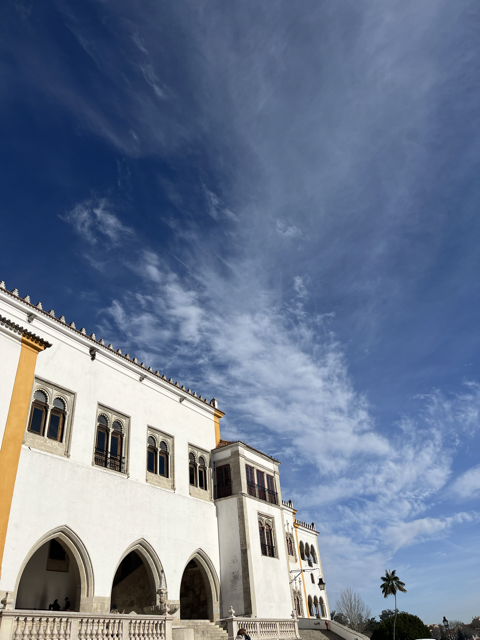
If you want to see something with Mudejar architecture (raise your hand if you’ve been to the Real Alcázar in Sevilla), you’ll traipse through the Palácio Nacional de Sintra. Parque da Liberdade is for those looking for an immersive green experience. I haven’t been to Pena Palace, perhaps the reason most people flock to Sintra. Hike to Castelo dos Mouros instead where you’ll get the better view and much fewer people.
Lisbon
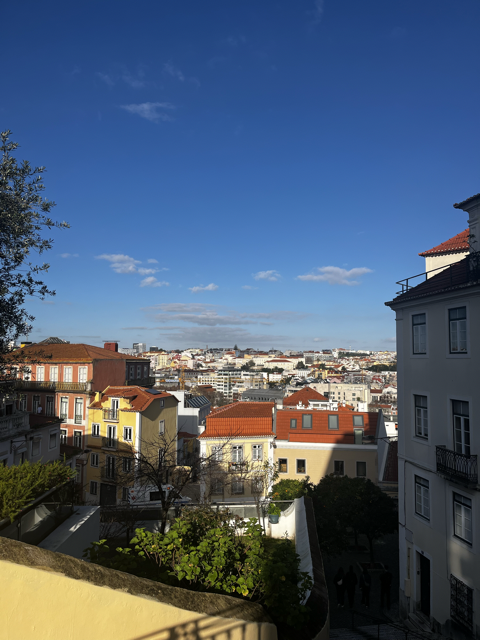
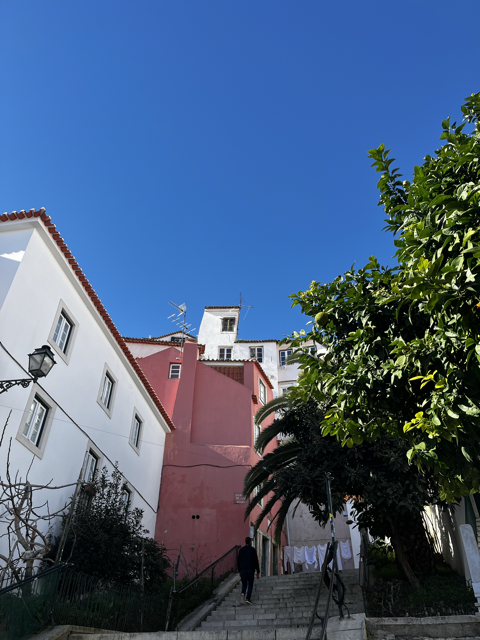
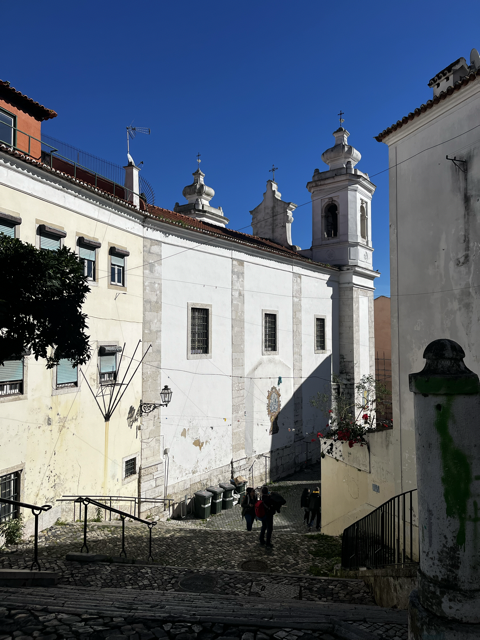
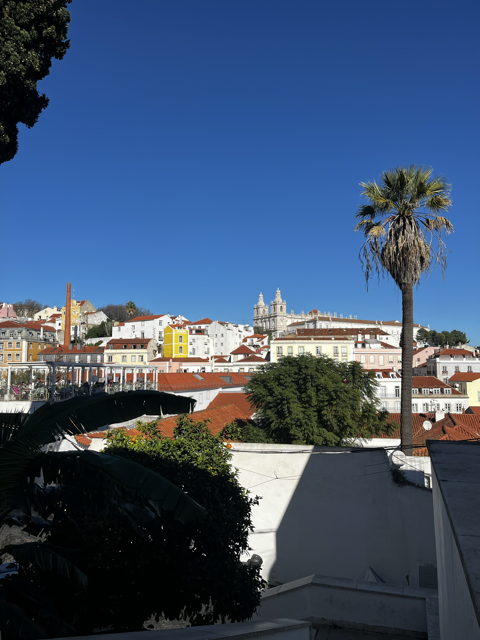
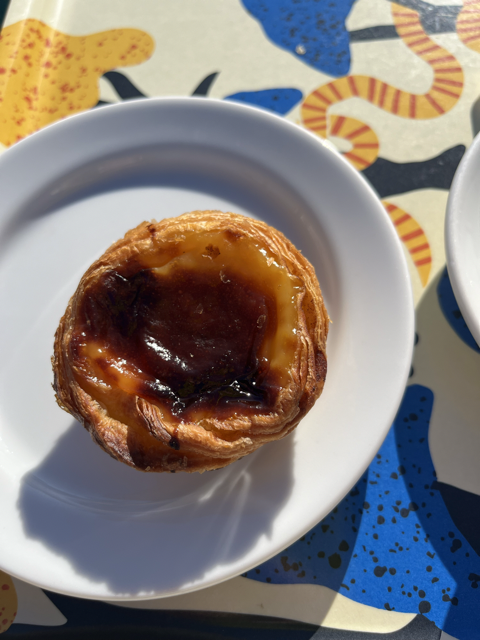
If you’re like me and prefer to roam free with a few items to do in mind, rather than have day-to-day itineraries, Lisbon feels like a playground. It’s a relatively small city, filled to the brim with pretty and interesting architecture, packed with food and wine that you’ll never forget (I still think about the first pastel de nata I ever had), and home to the westernmost port in continental Europe.
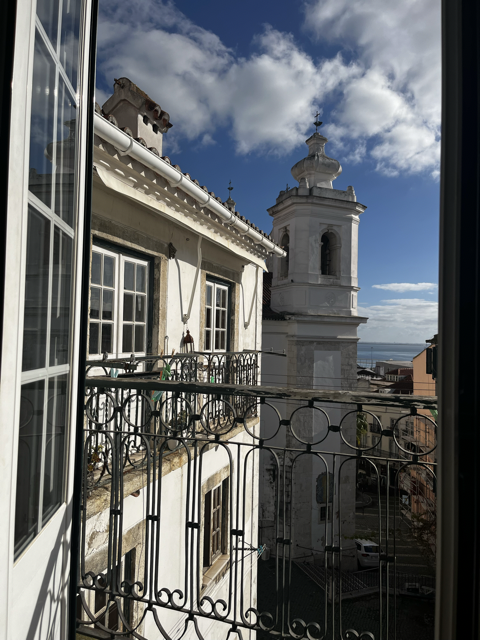
If you’ve been to Portugal, you know about the earthquake of 1755. Simply, Portugal got rocked, and most buildings standing today were built, or at least renovated, after the earthquake. Even hundreds of miles away, cathedrals in Spain have persisting damage from the quake’s tremors. Sintra was at the heart of the quake, and so most of the architecture is c. 18th century and beyond.
Lisbon is one of the many places throughout the Iberian Peninsula that’s been ruled and conquered and renaissanced by layers of peoples over time, and it still shows.
Here’s how I spend a week in Lisbon:
Sardines: Especially if you think they’re gross. Go to Lisboa Tu & Eu in Alfama and make sure to sign the wall.
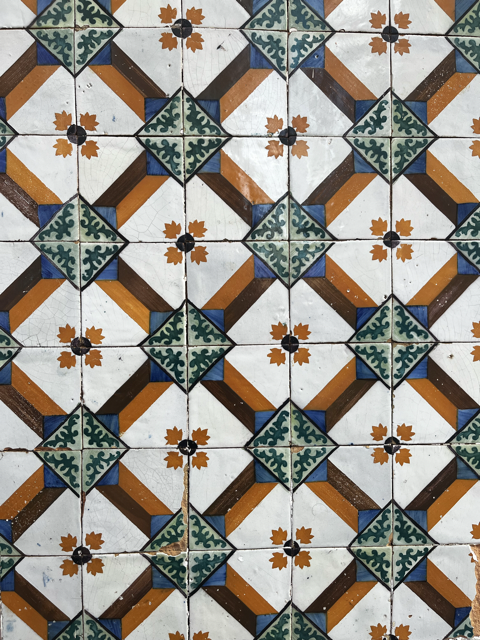
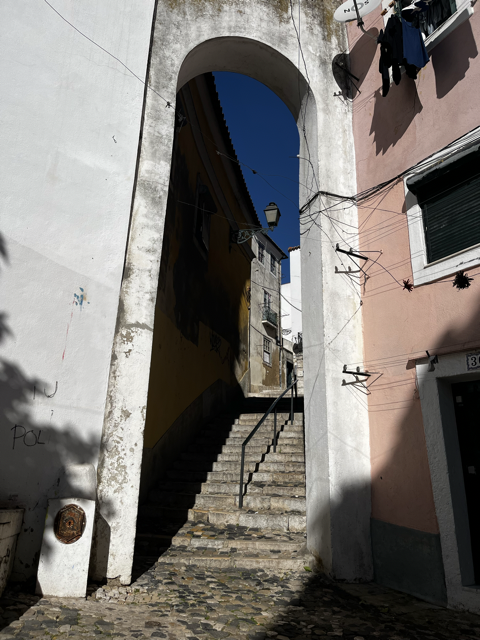
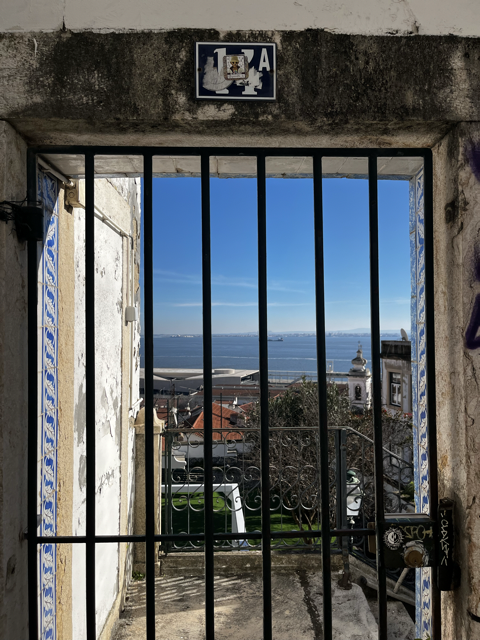
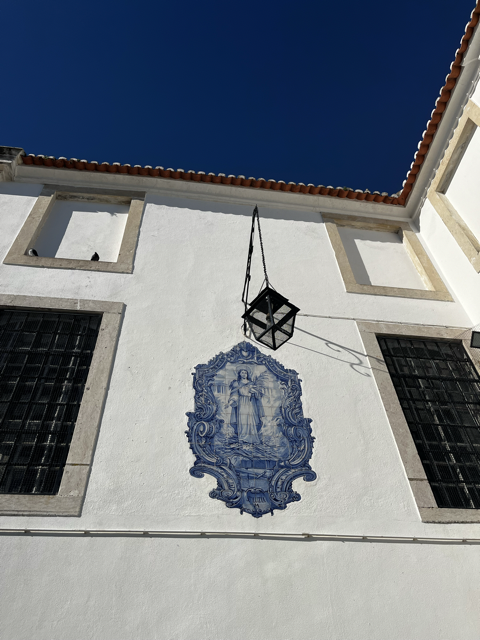
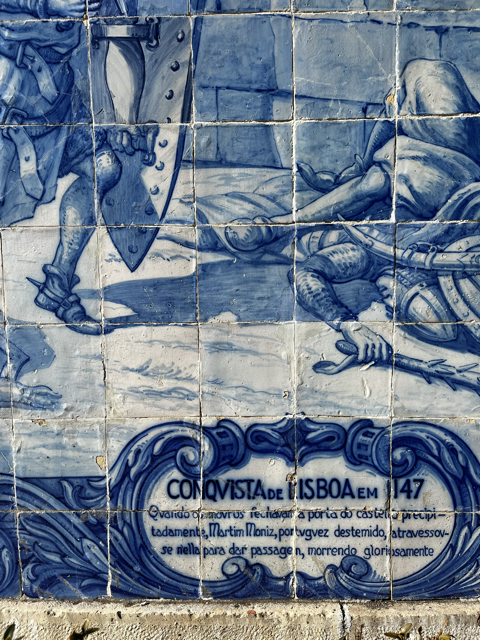
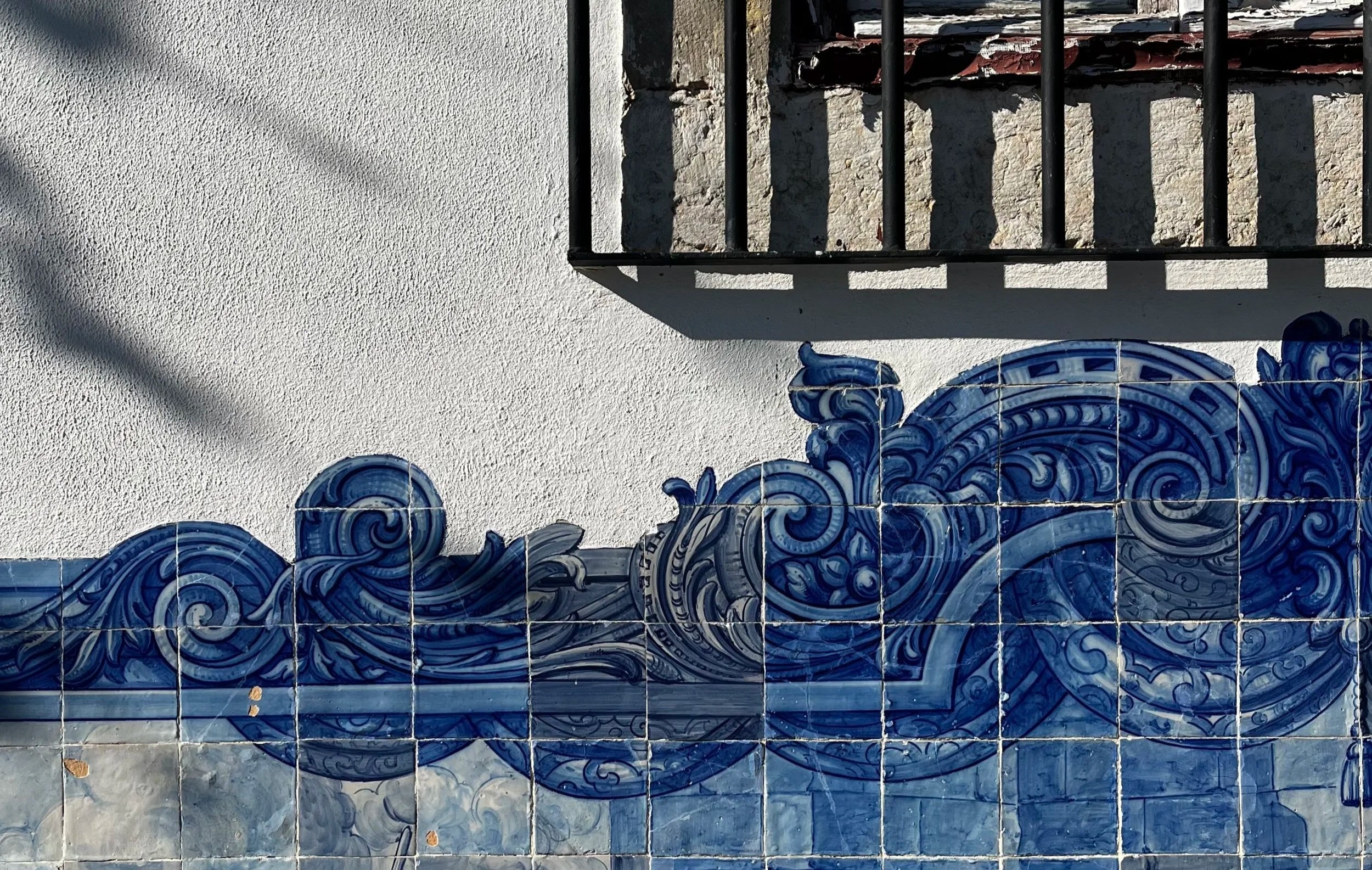
Walk. Like many European cities, Lisbon is extremely walkable - you can literally walk end to end in about an hour. What makes it unique are the never-ending azulejos that border every street and sidewalks. Maybe you’ll find yourself in a 300-year-old reading room at the Museu de Lisboa: Teatro Romano.
Wine. One of my jet-lag tricks is to schedule a wine tasting in the afternoon after landing. It’s the perfect pick-me-up after a long flight and you’ll even learn something. Pick a wine tasting that comes with a guide and lunch. For wine later in the evening, head to Antigua Wine Bar in Alfama.
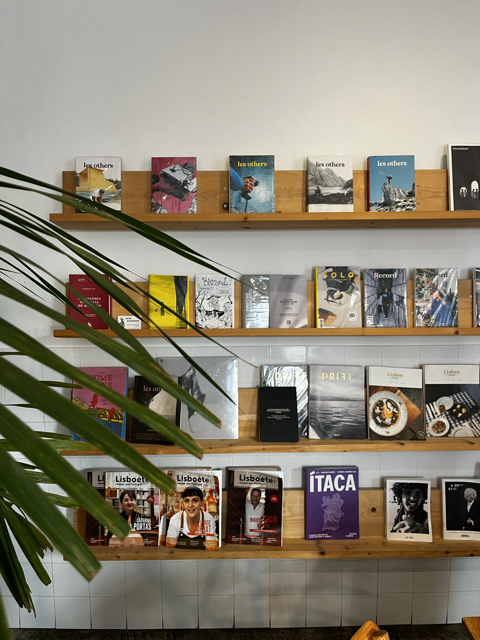
Cafes. In the past few years, with the help of some very cool Lisbon Instagram influencers and Portugal’s digital nomad visa, modern cafes with wifi serving lattes and matchas have popped up across the neighborhoods. Unlike other European cities like Paris where Australian- and American-influenced to-go coffee culture hasn’t really caught on (in fact, it’s discouraged), Lisbon has taken the concept and made it its own. Some of my favorites are Hello, Kristof, Dear Breakfast, Neighbourhood Cafe Lisbon, Copenhagen Coffee Lab , and Augusto Lisboa.
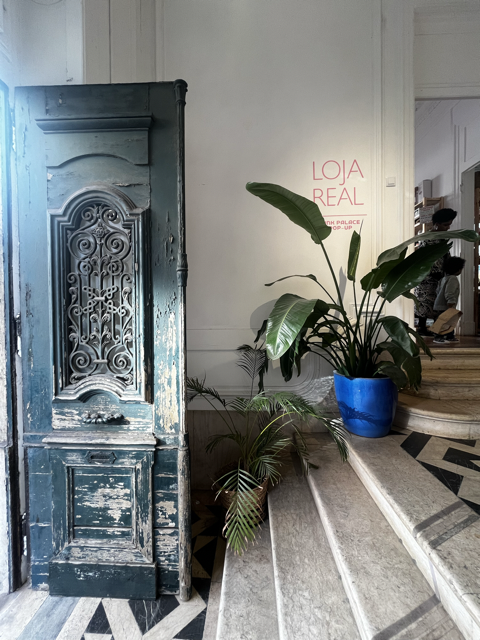
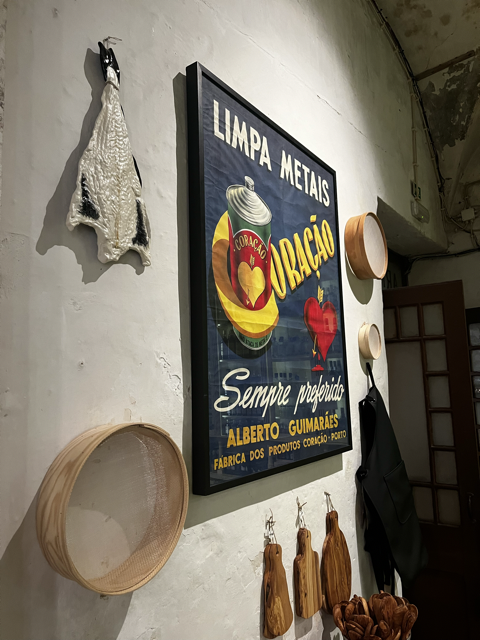
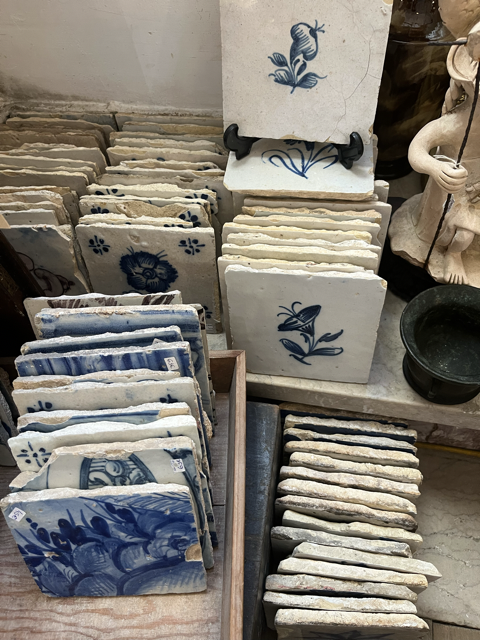
Shop. Make sure you go home with unique things. Head into Alfama’s XVIII, a loja that creates and sells azulejos and faiança (earthenware). Seeing the art of Portugal being created right before your eyes is like slipping through time - back centuries to when all things were handcrafted, and forward centuries to when, hopefully, the azulejos being designed here will still be on display. Go to A Vida Portuguesa for a heavenly selection of tinned fish and other Portuguese (quint)essentials, EmbaiXada for the “mall,” and any of the used book stores in Chiado for your library collection. Some other shopping faves are Loja Real for pop-ups and LxMarket, the flea market under the bridge.