A Côte Fleurie Getaway
Trouville-sur-Mer and Deauville
Whelks, periwinkles, belvederes, and sun showers
Synonymous with D-Day, you’re probably familiar with the landing site beaches of Omaha, Utah, Gold, Juno, and Sword. Allied casualties alone estimated at 10,000 make these places powerful but somber ground zeros of world history. Desperate for a coastal city break from Paris, I found myself on a train headed north to Normandy, but to more cheerful beach towns, east of the D-Day map.
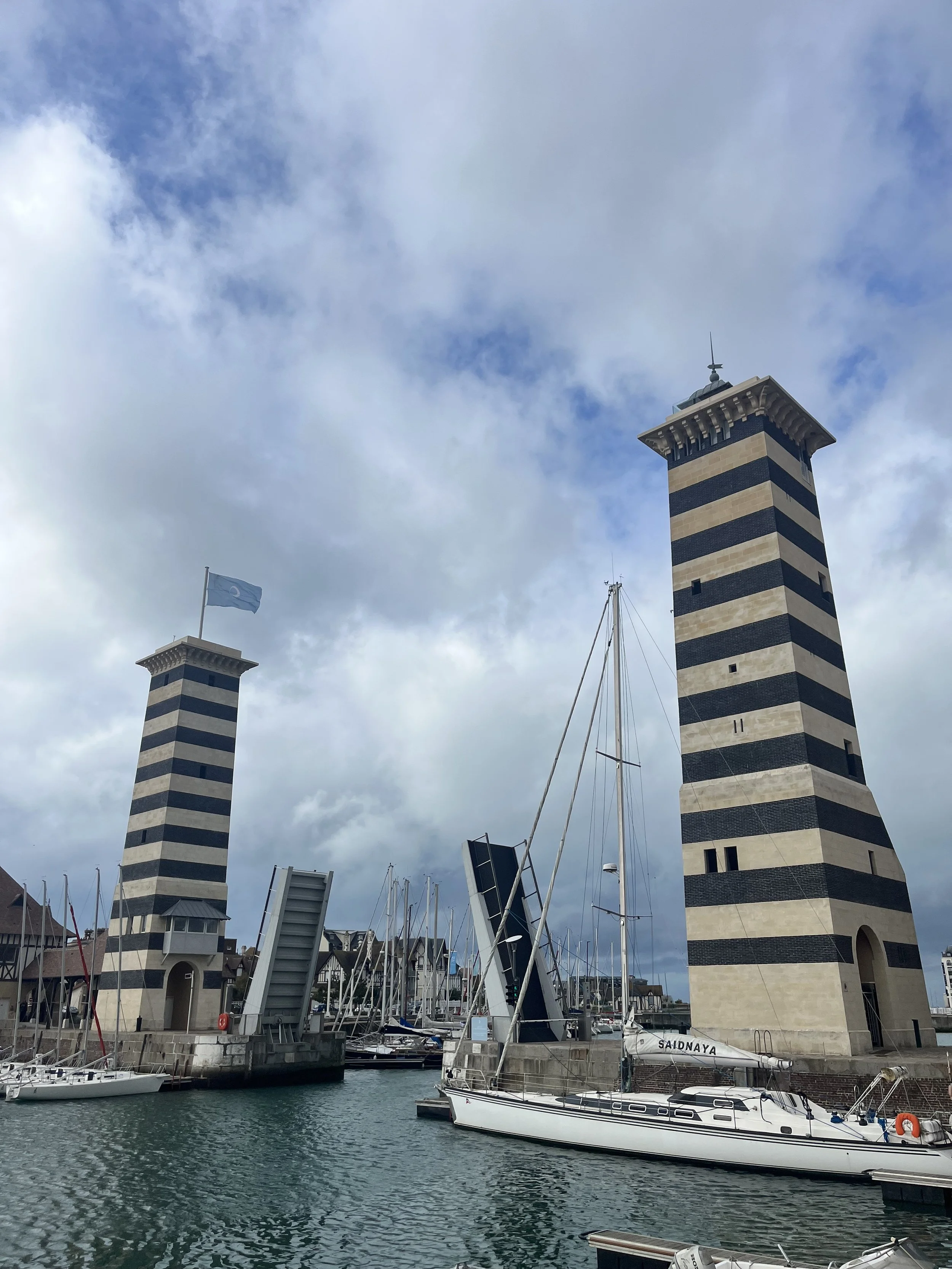
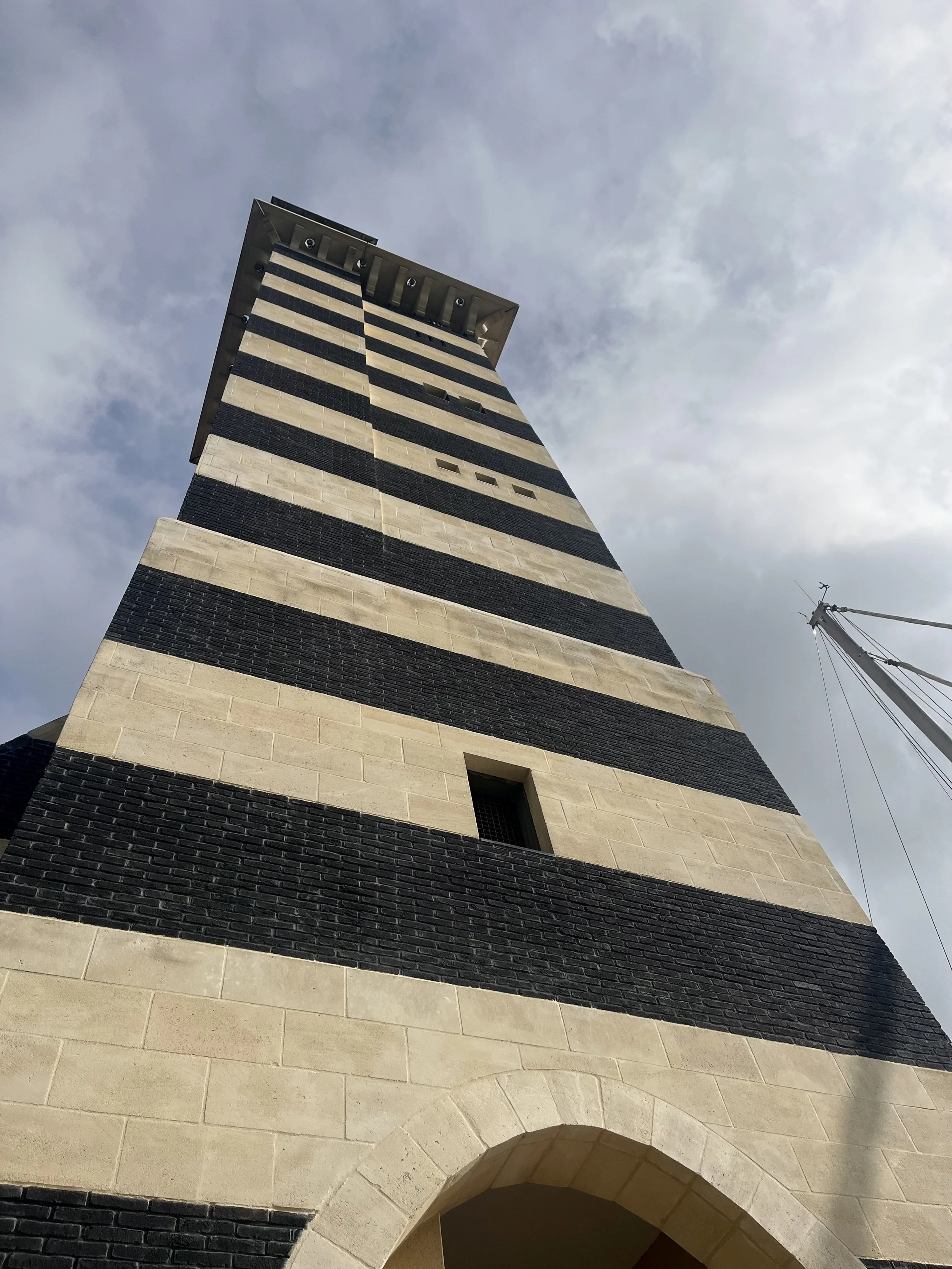
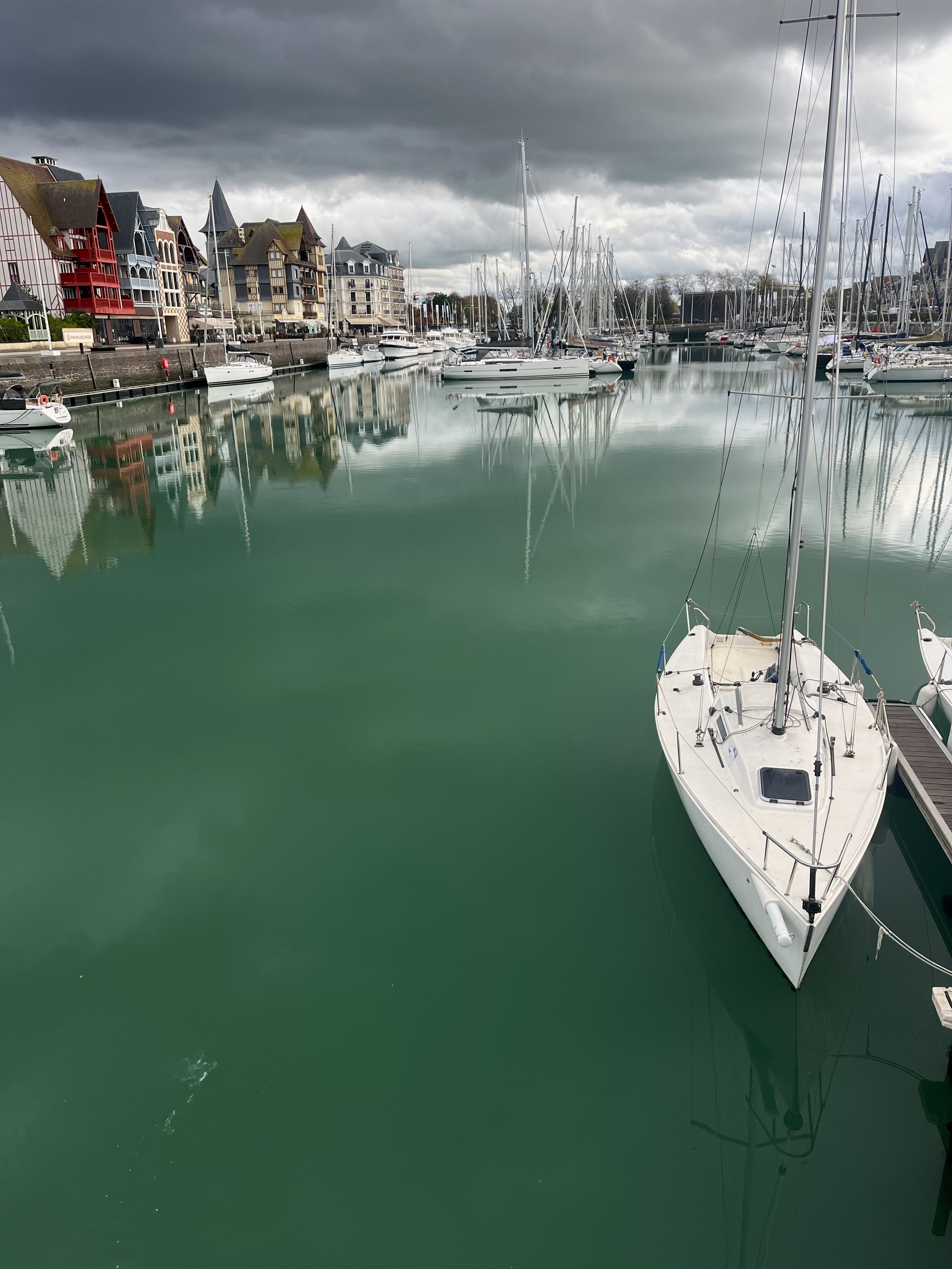
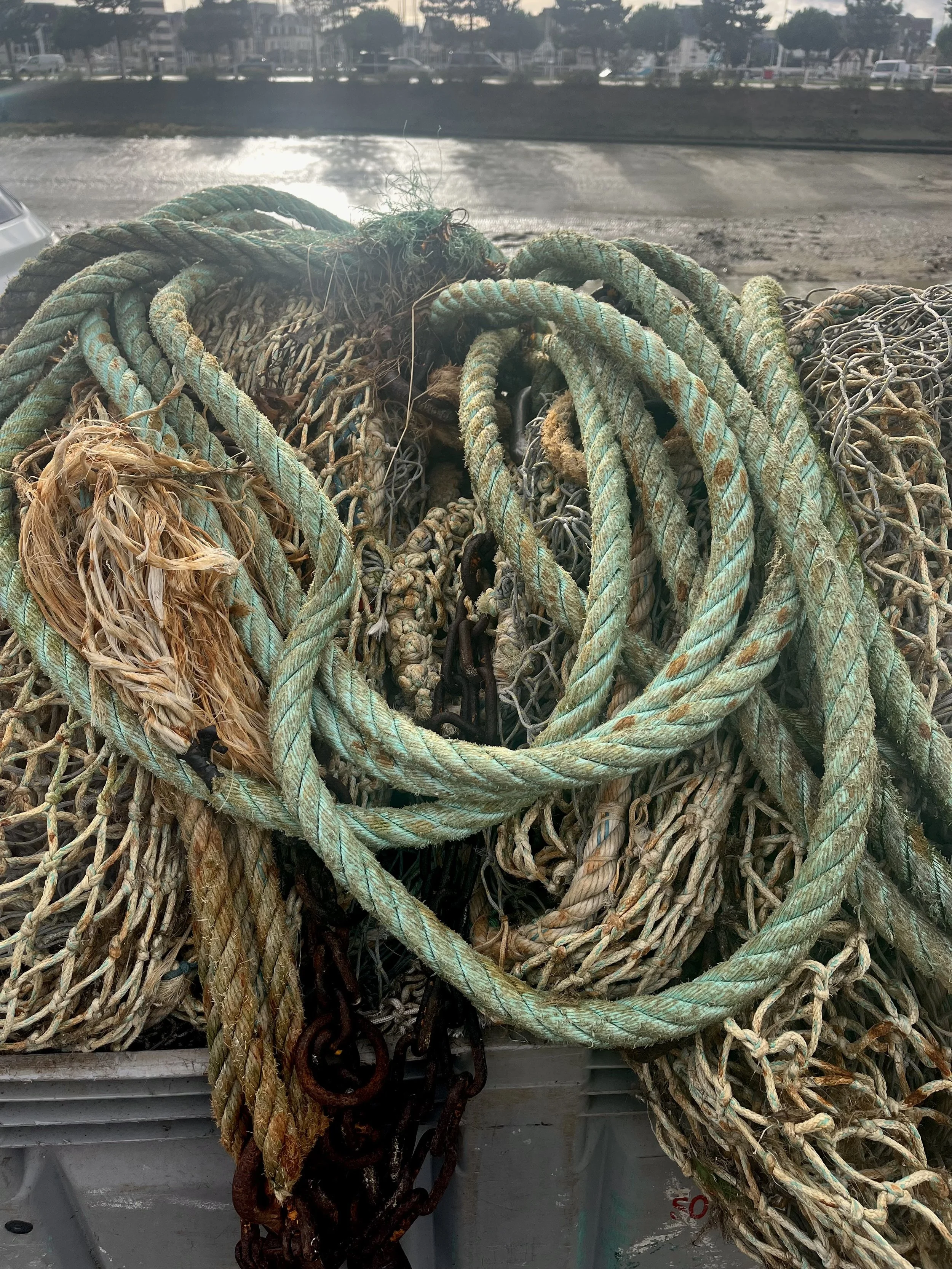
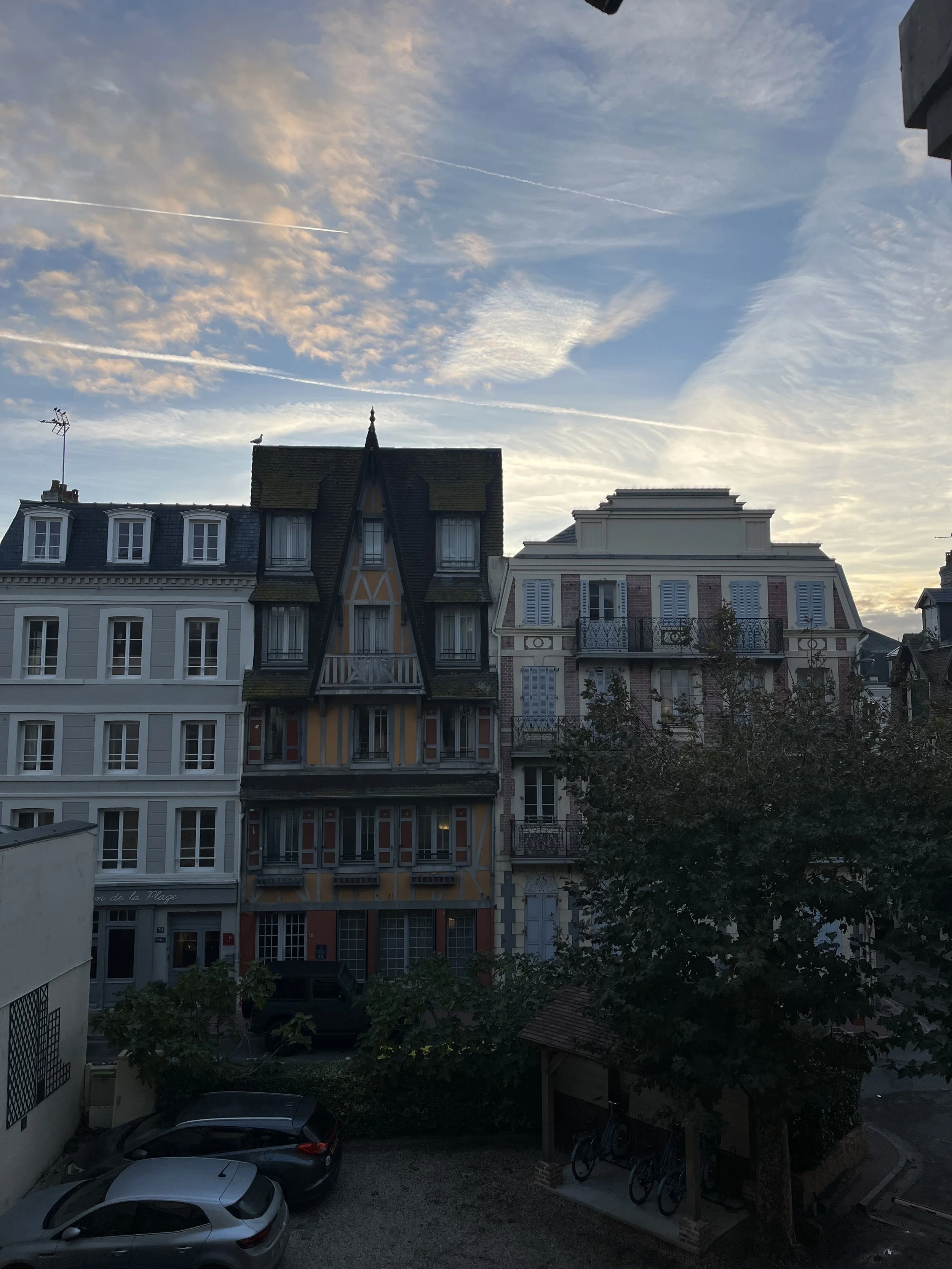
I spent a long off-season weekend in Trouville-sur-Mer and Deauville, sister beach towns along the Côte Fleurie (how cute is that - the Flowery Coast) connected by twin striped belvederes stretching over an electric green marina. How to cross? A timed pedestrian drawbridge, of course!
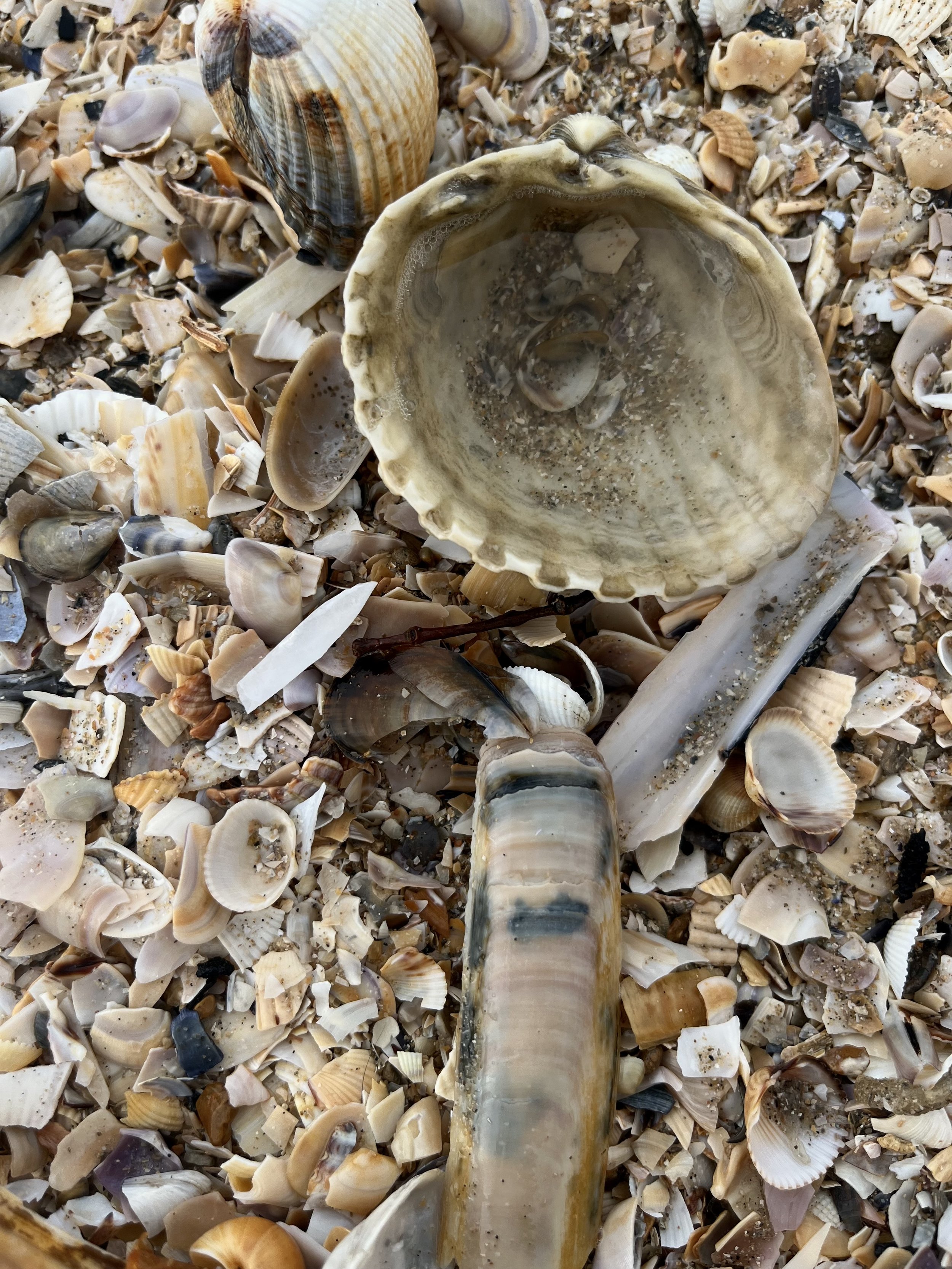
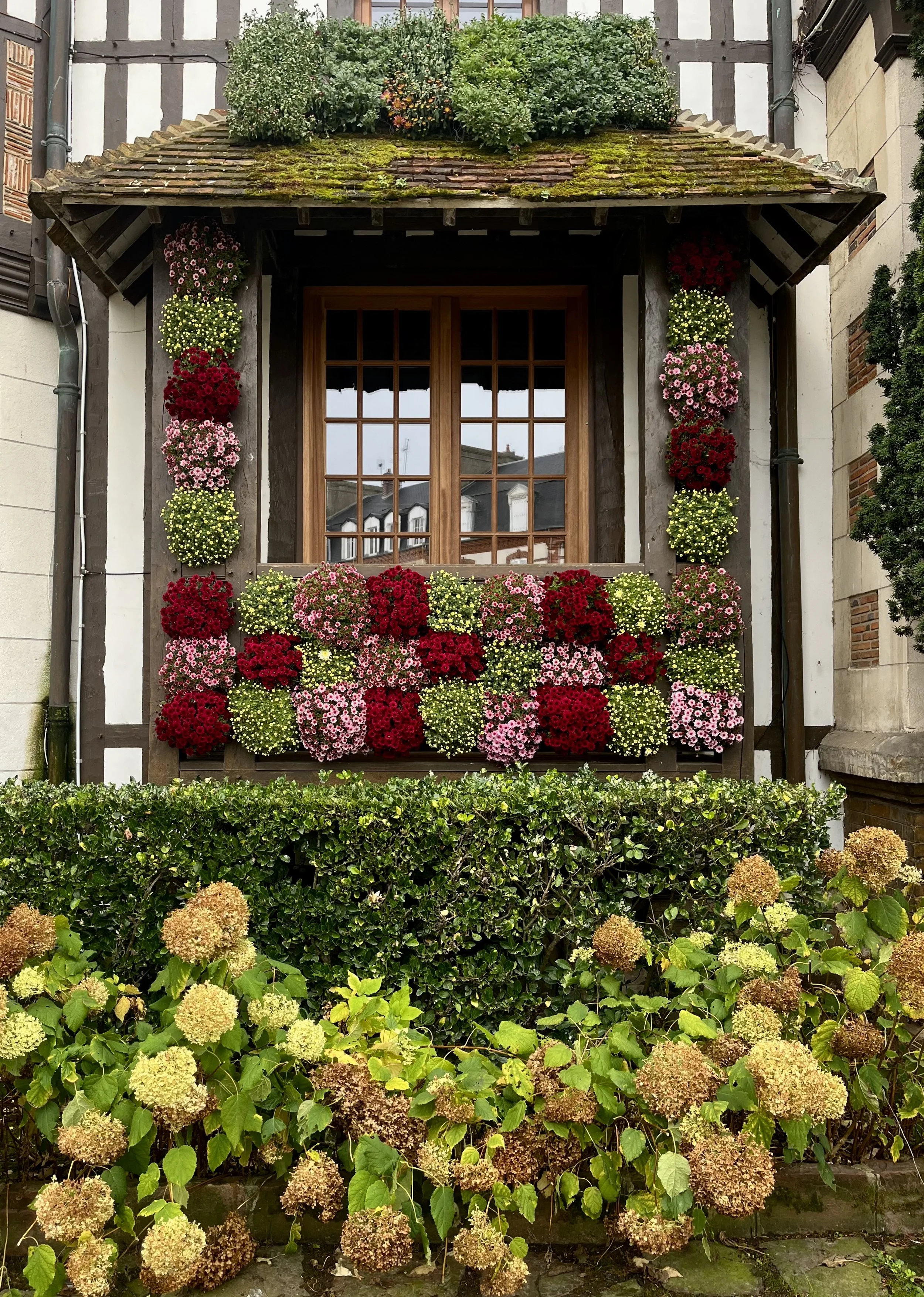
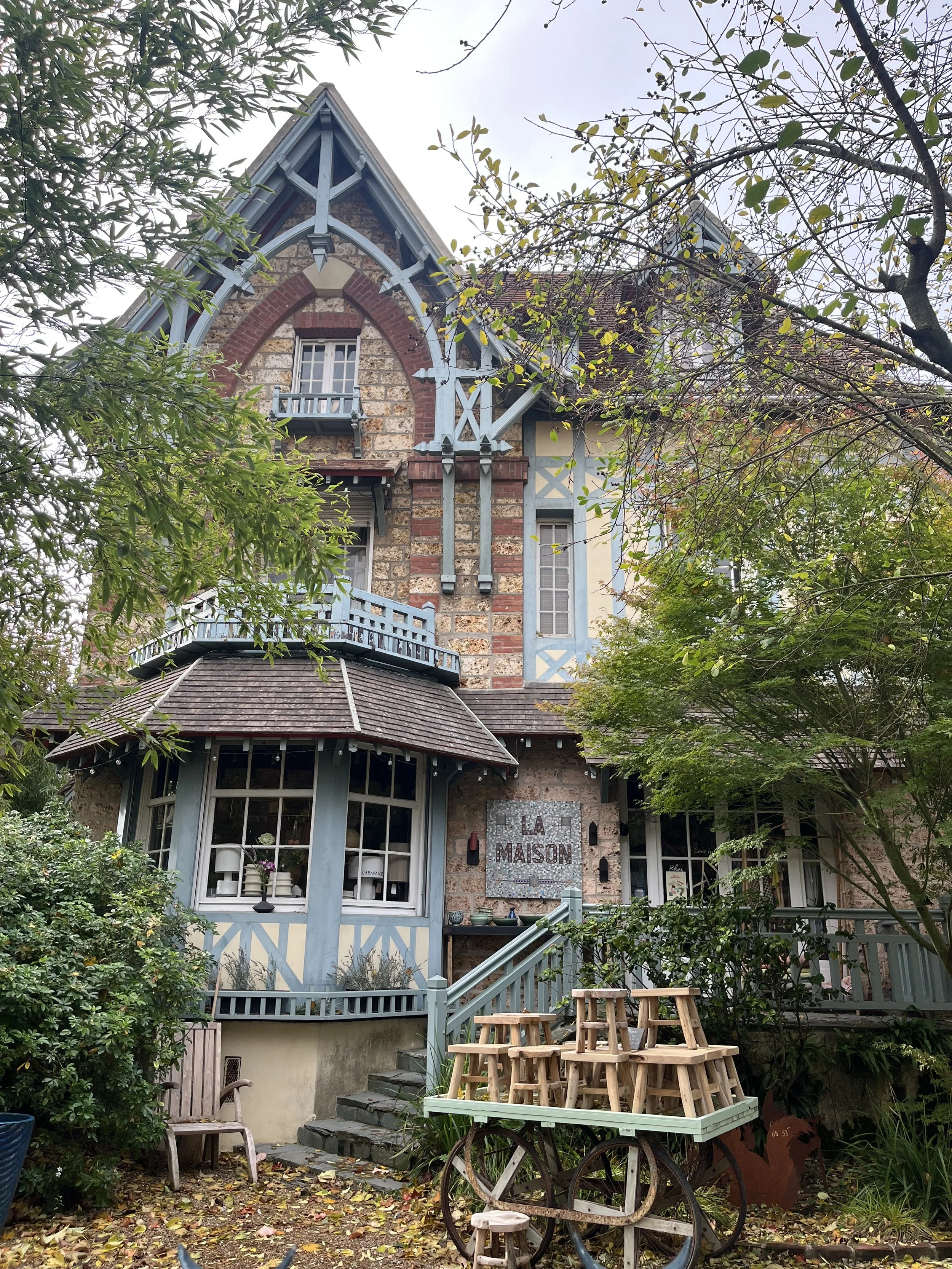
Trouville is sweet, comforting, and generous. Deauville is chic, home to a casino, polo club, and annual film festival. Although different, they’re still sisters. They’re utterly Norman, in both architecture and humanity. More beach girl than city girl, only two weeks after moving to Paris passed before I needed the ocean. My expectations were low and my checklist was short: walk on the beach, collect some shells, acquire a seafood tower. Done, done, and done.
Trouville-sur-Mer
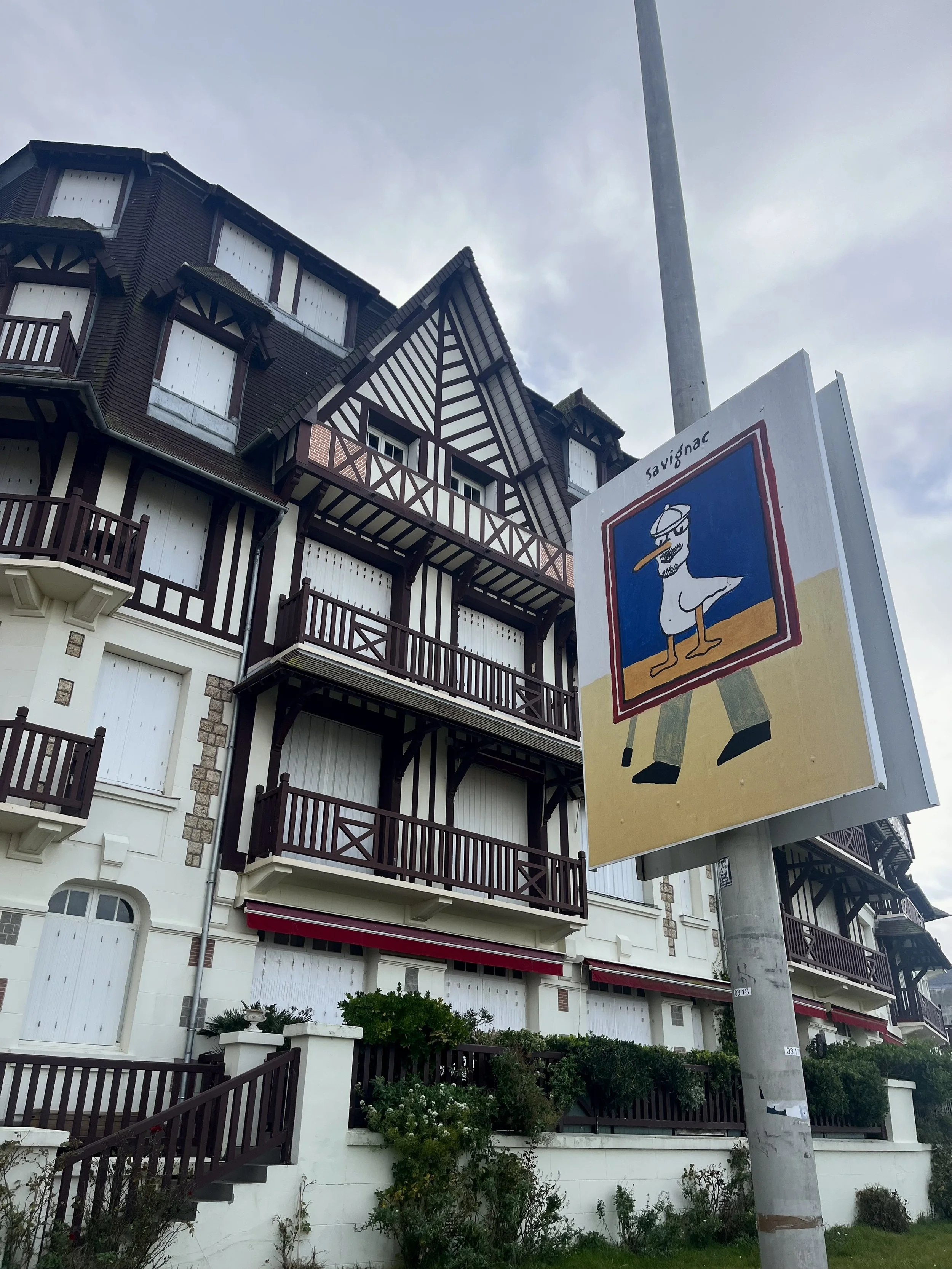
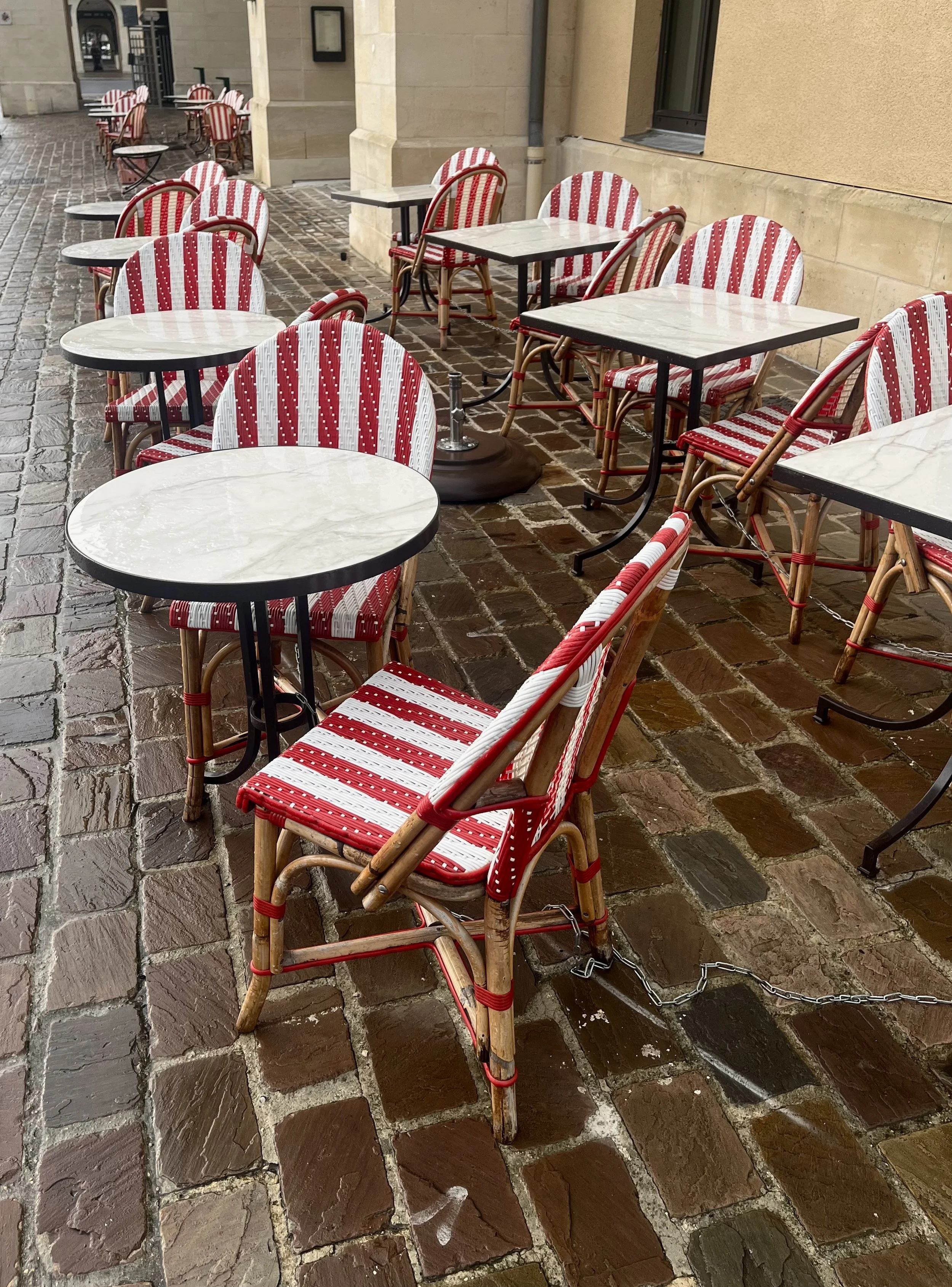
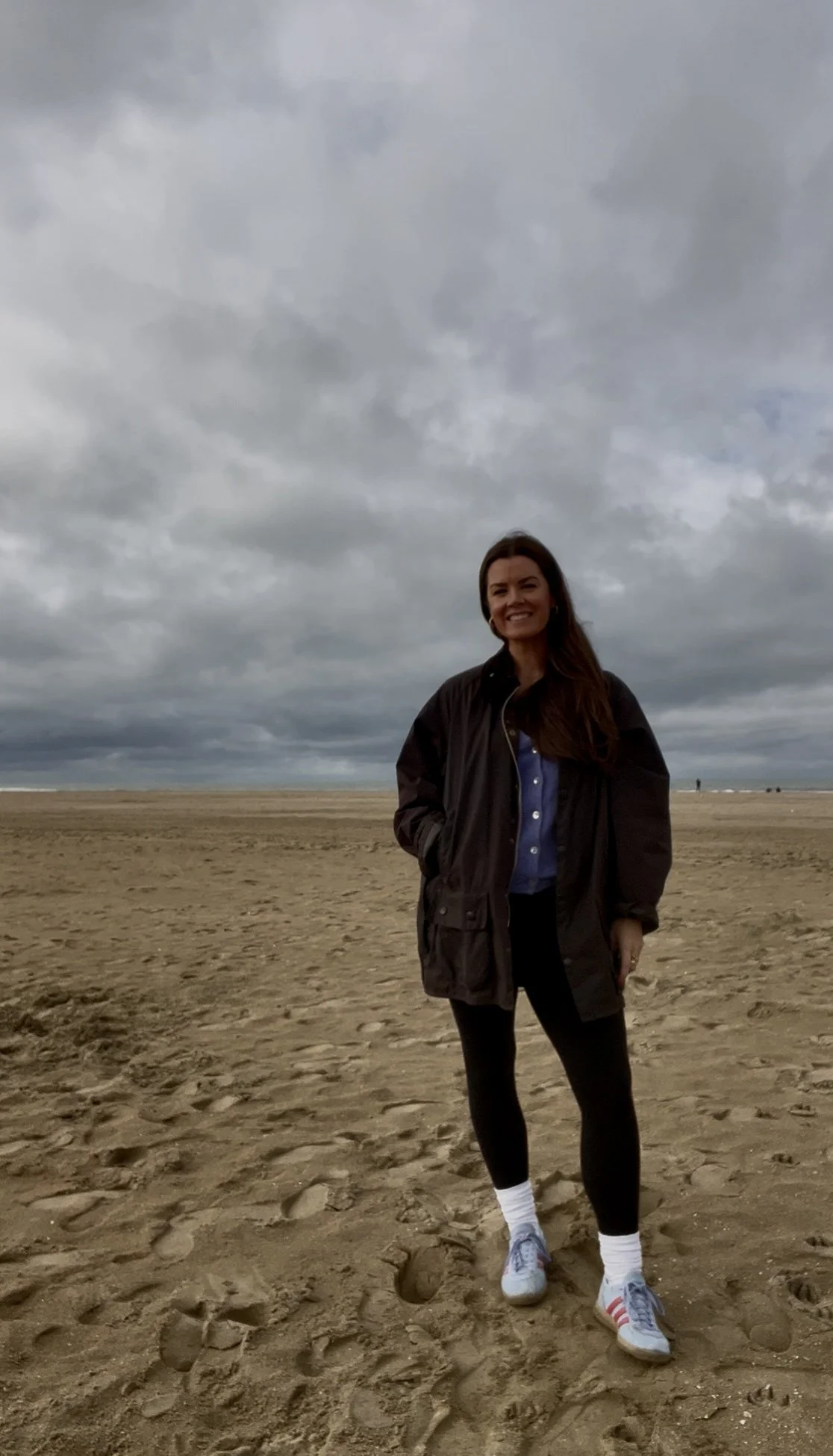
Sisters with Deauville, Trouville felt like a setting from A Series of Unfortunate Events (and Gigi). Perhaps it’s the almost-rhyming names, the colorful awnings, or the ubiquitous stripes, but it has a circus-like quality that isn’t expected along the coast. A phantom calliope played in my head as I walked the boardwalk between sun shower after sun shower. On Rue des Bains, I picked up a vintage Beaufort Barbour (1983) to combat the unserious weather and a few sweaters to layer.
Trouville is home to some genuinely generous Normans and a beautiful beach that sprawls seemingly forever across the northern French map. I was delighted to arrive after two weeks in Paris, and dismayed to leave. Off-season beach towns are up my alley and this one wanted me to stay.
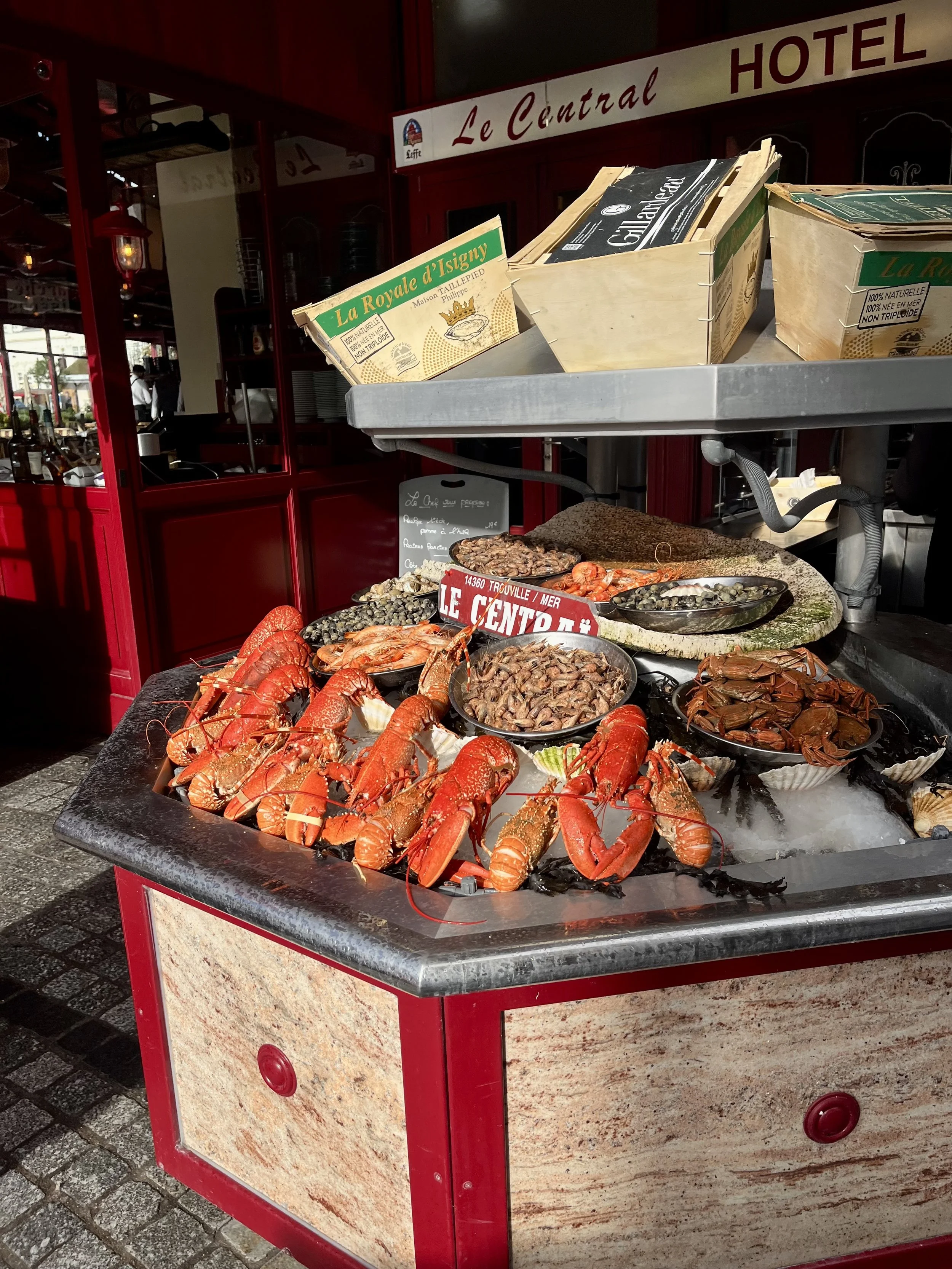
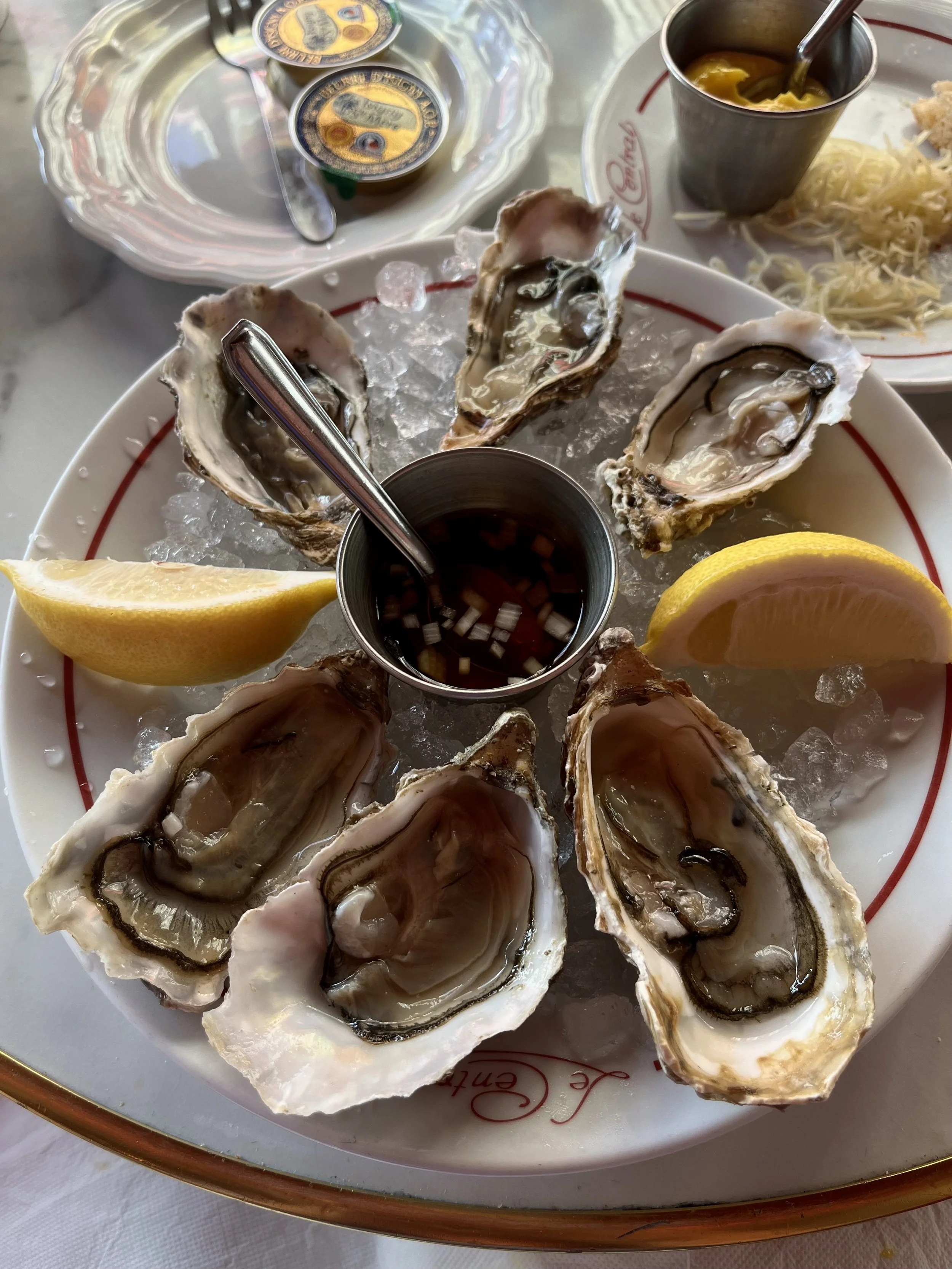
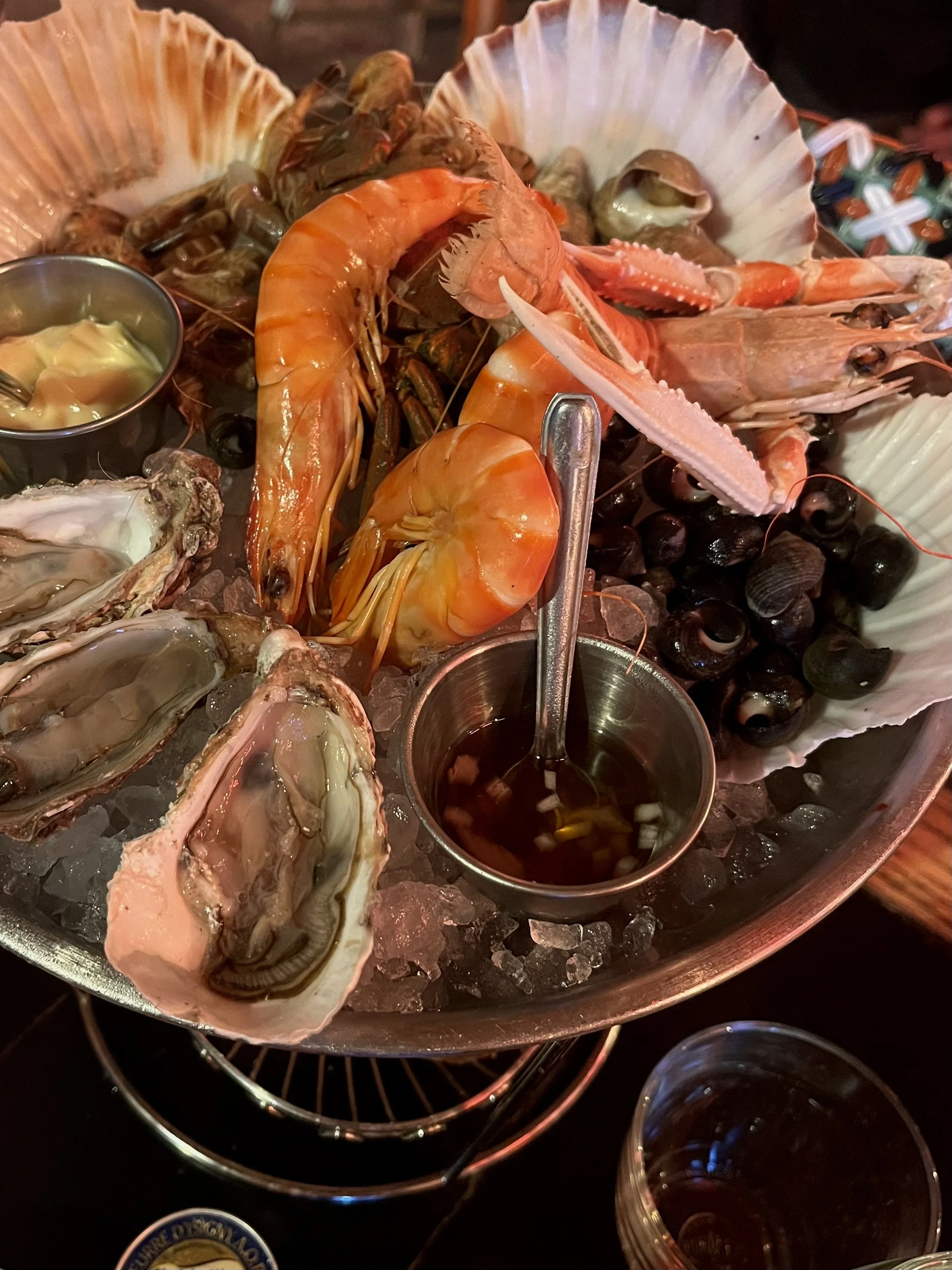
Breakfast of un café crème et un croissant was at Chez Willy, lunch of oysters and seafood soup was at Le Petit Central, and dinner of the single best seafood tower I’ve ever laid my eyes on was at Marinette. Piled with etrille (velvet crab), crevettes grises et roses (two kinds of shrimp), bulots (whelks), bigorneaux (periwinkles), huîtres (oysters), et langoustine (langoustine), and finished with a complementary taste of local calvados, I savored every bite as I learned how to use utensils I’d never seen before.
Deauville
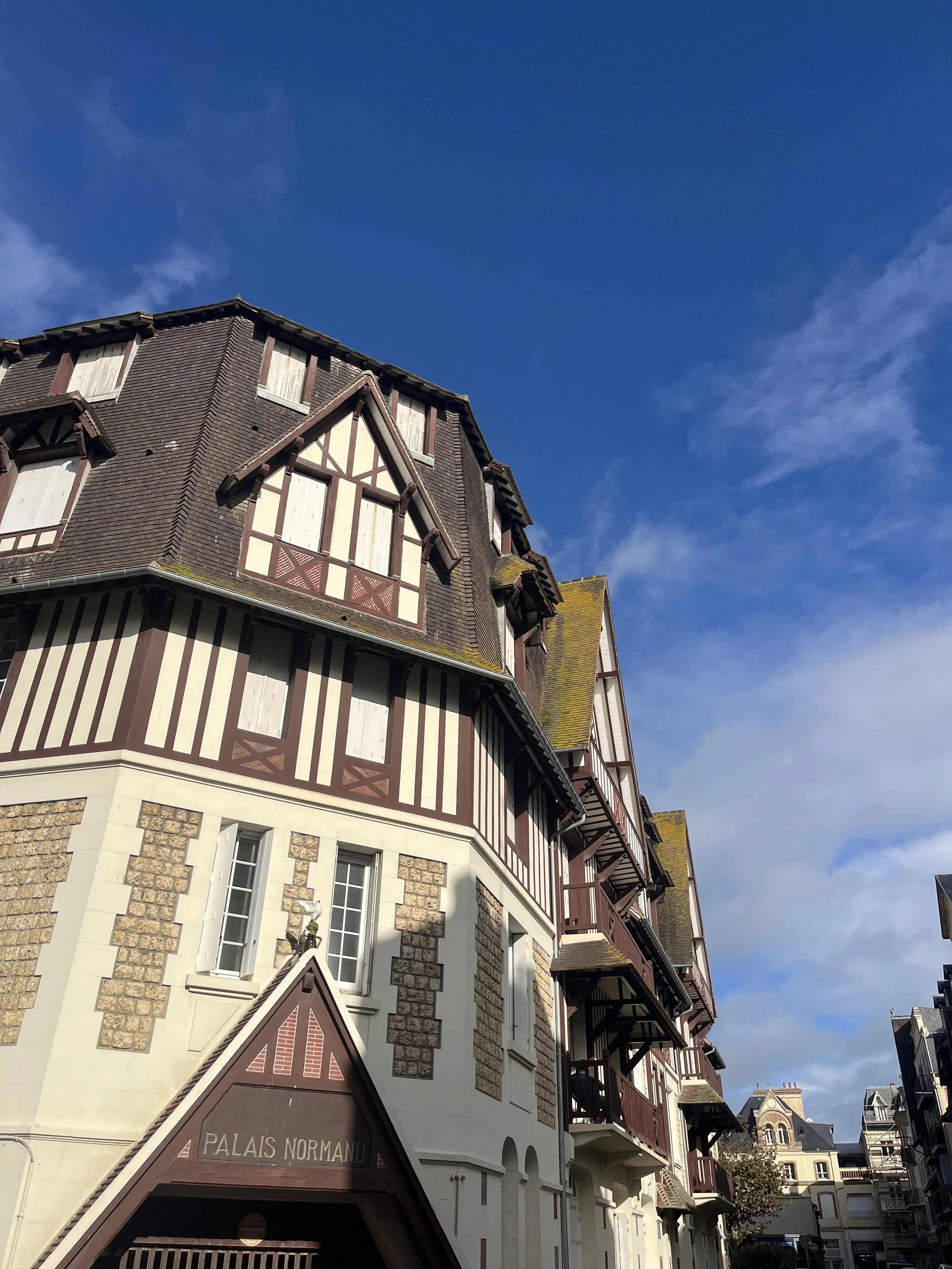
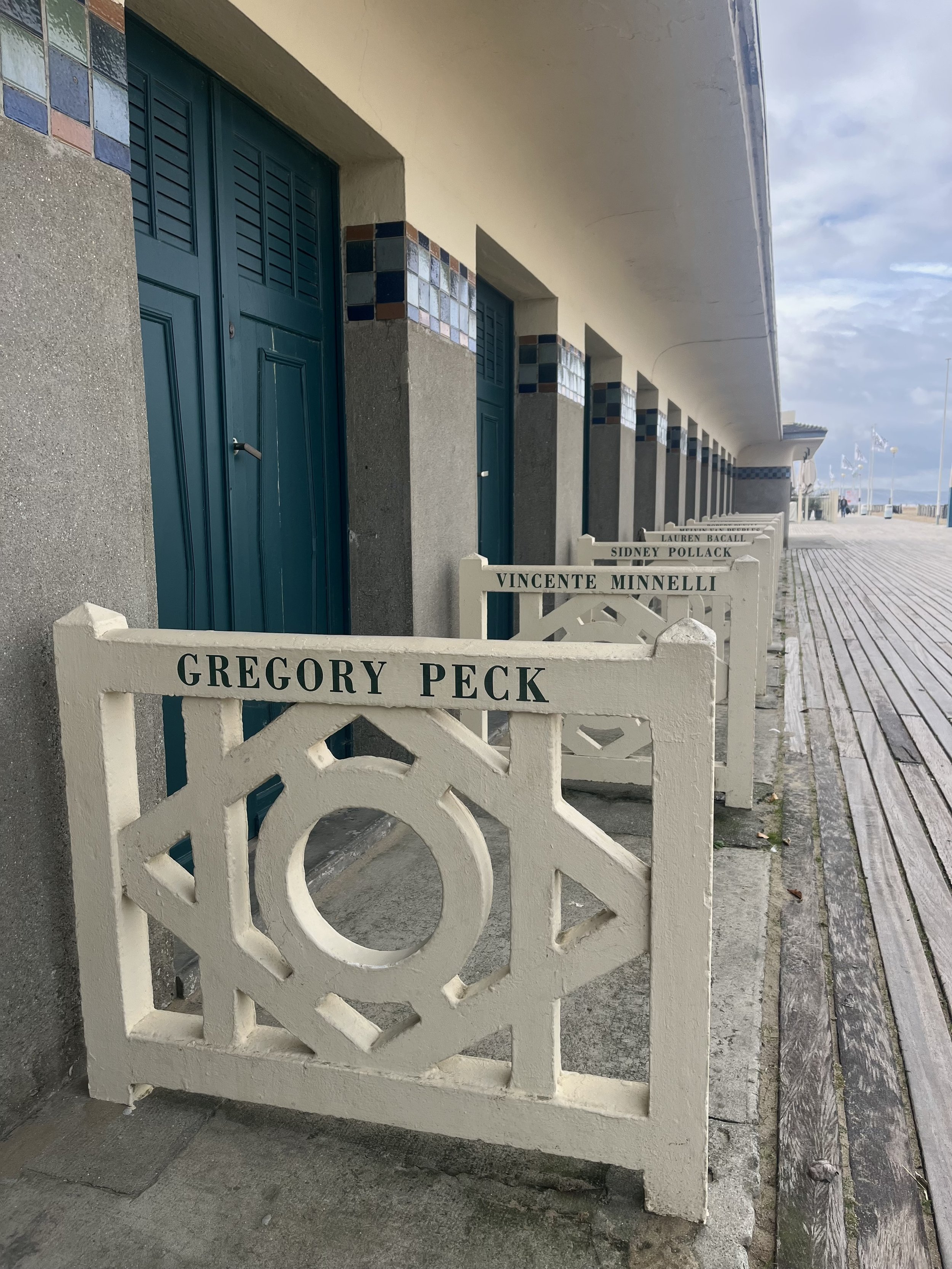
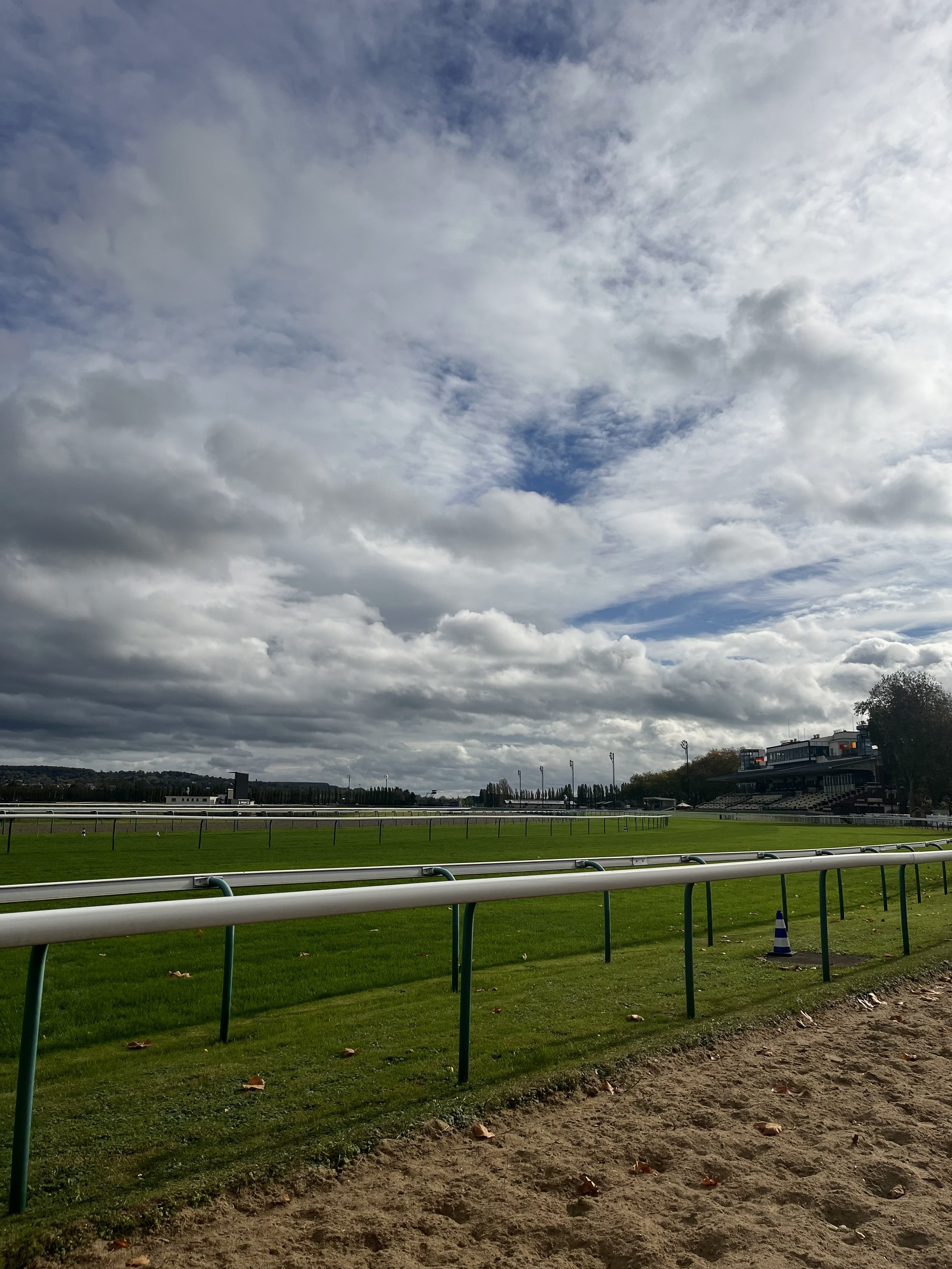
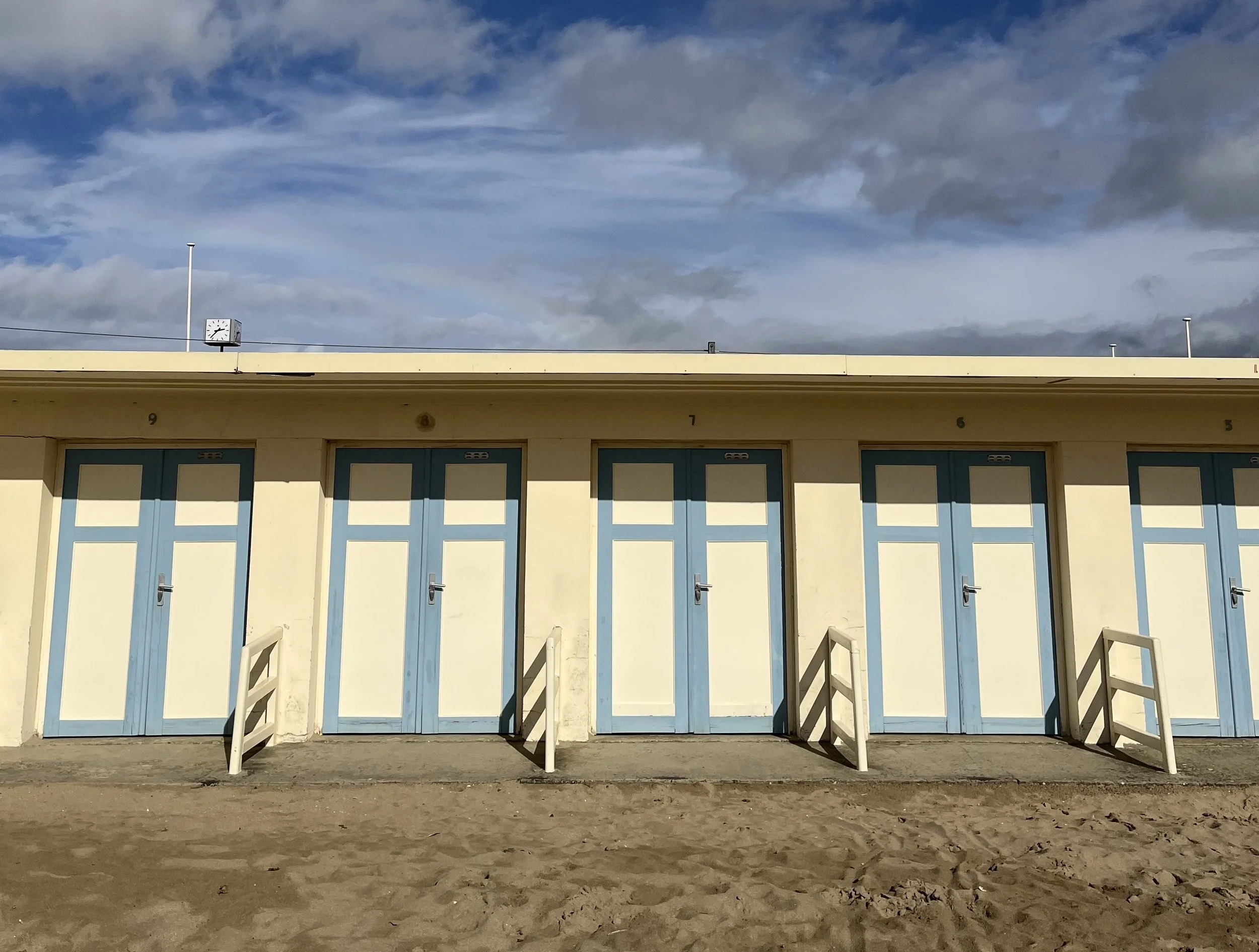
From Gregory Peck to Lauren Bacall, painted movie star names from years past bespeckle beach cabanas along Les Planches. Movie stars of today flock here for the annual Deauville American Film Festival, earning a cabana for themselves if they’re lucky. Motifs of horse racing are found throughout town, not just at La Touques Racecourse, and glimmers of Hollywood glamour mix with traditional Norman architecture.
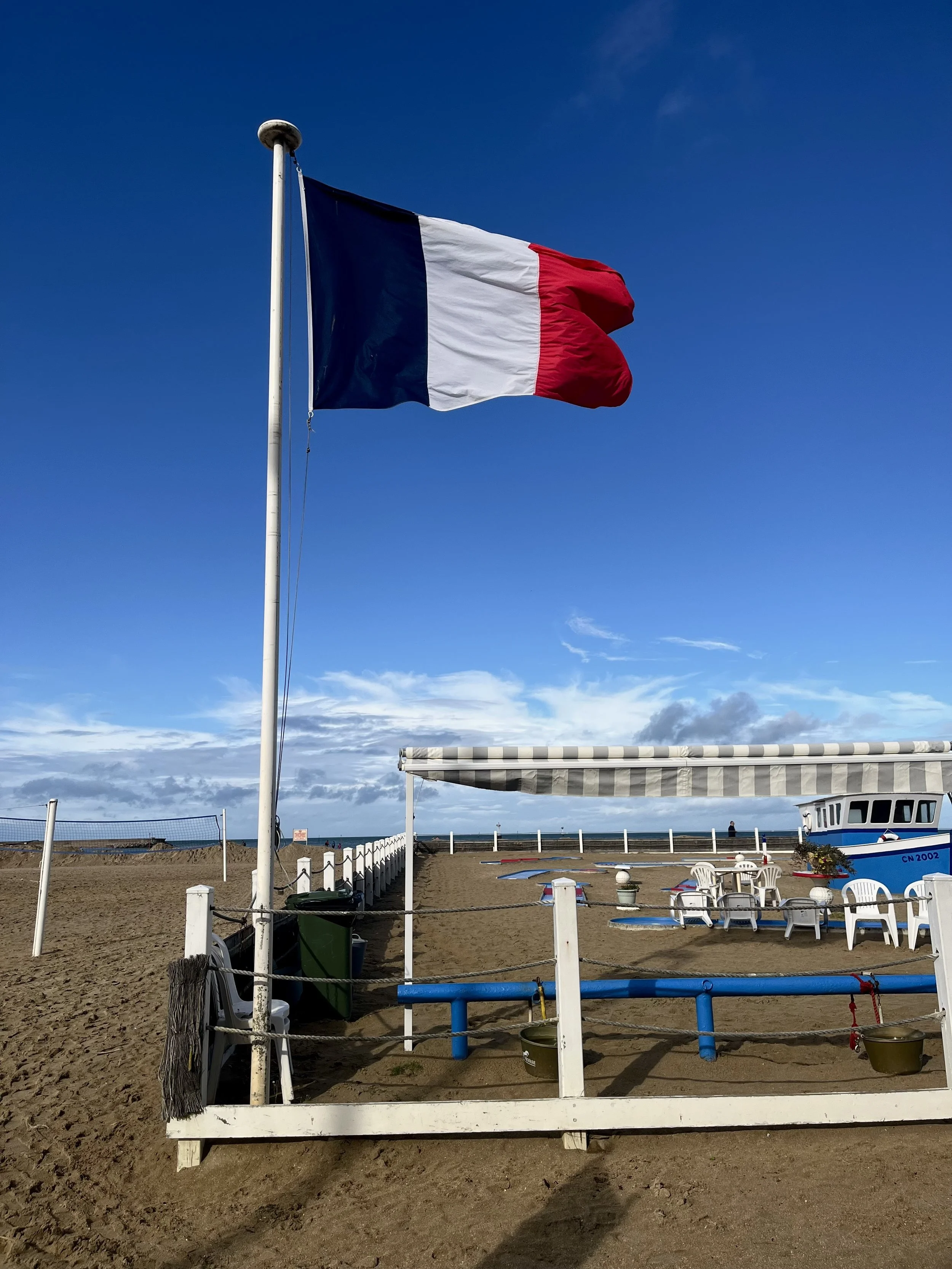
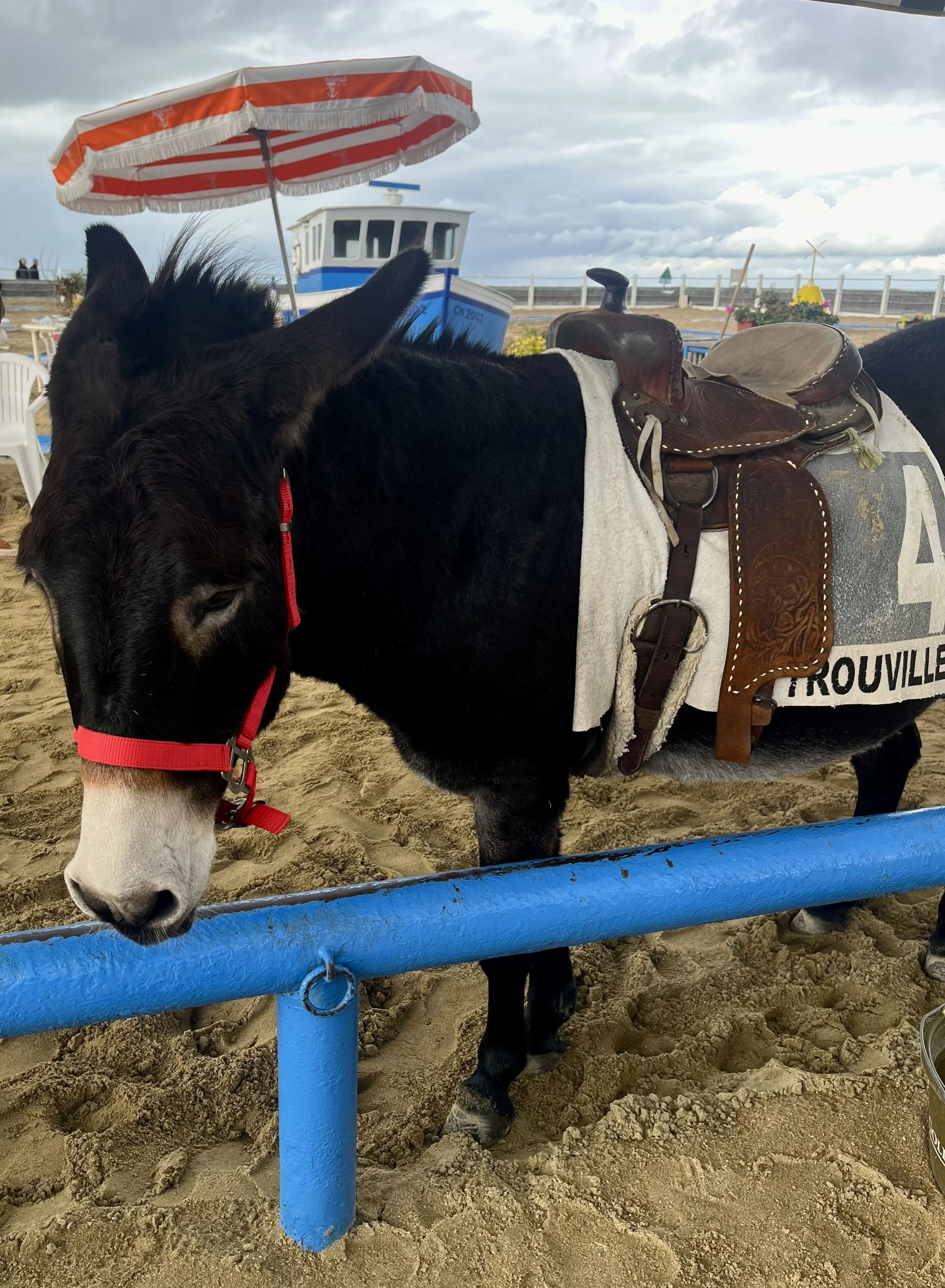
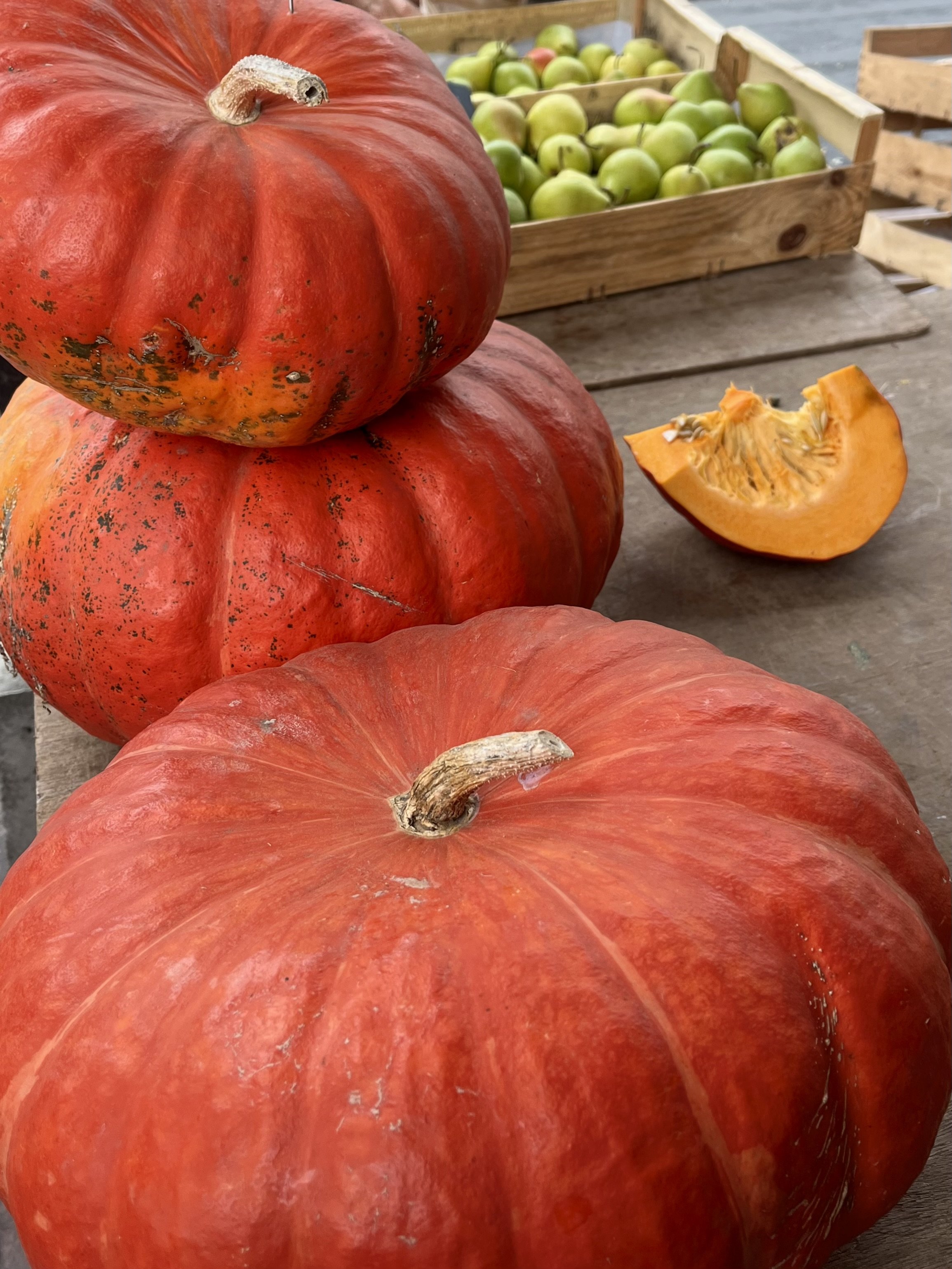
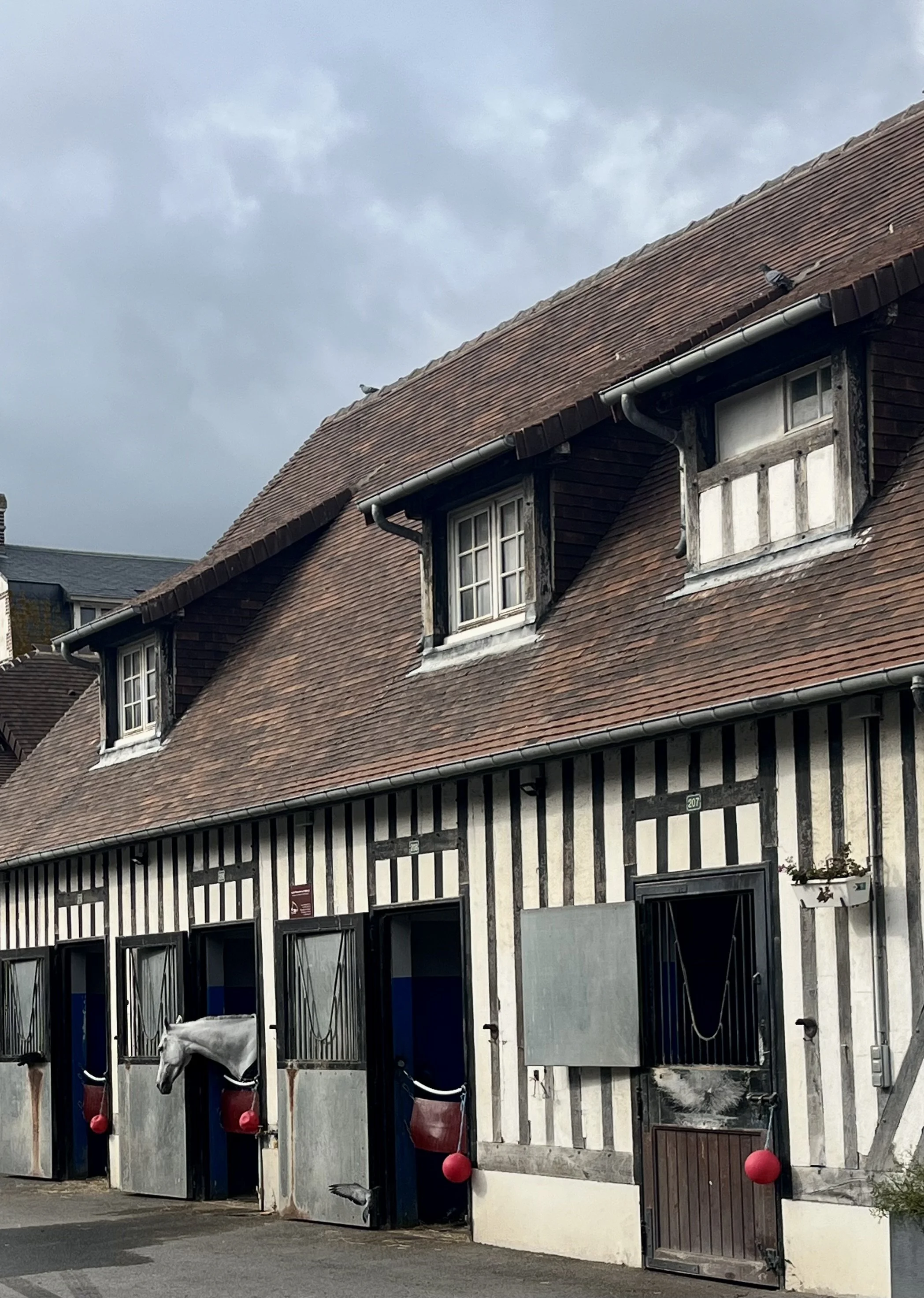
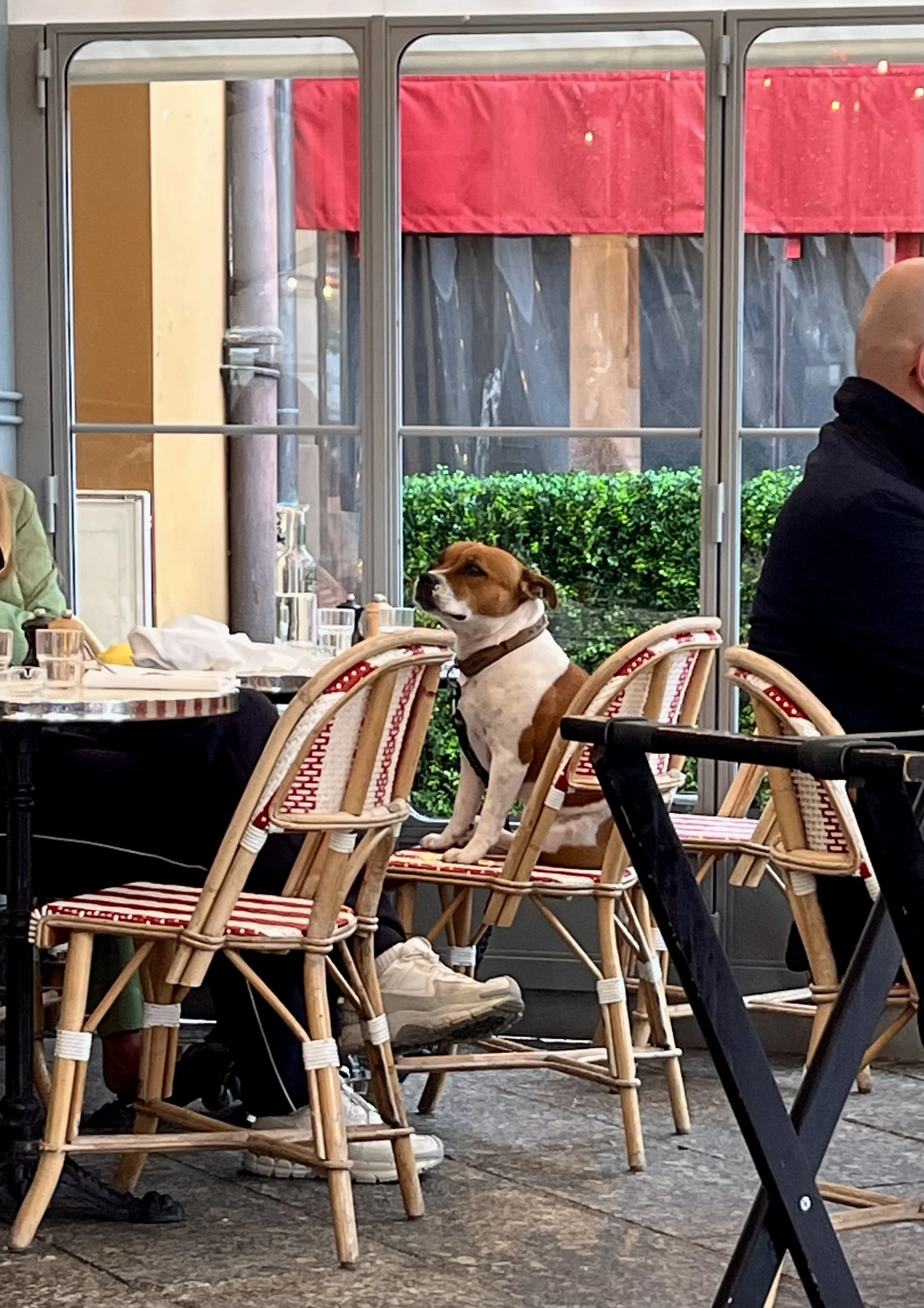
It was market day in Deauville, and after winding up and down every aisle, I headed to the beach. On-season Plage de Deauville is known for colorful umbrellas sticking up in the sand, waiting for the next beach bum to stumble along and prop open. Off-season Plage de Deauville is rather barren, with only a sprinkling of people strolling the flat, vast sandy beaches endemic to Normandy. Wide, dreary, and off-season, I noticed an almost empty feeling that must be conditional with standing on a beach of this gravitas-filled region. To my left, way in the distance, was Omaha Beach. To my right was Trouville-sur-Mer, Deauville’s twin sister. I joined my fellow chilly day beach goers for a cider from Bar du Soleil on the boardwalk before heading to the racecourse, where a polo club also operates. I was greeted by horses out for exercise, and later by dogs sitting at bistro tables. Caught in a rainstorm, but luckily donned in a newly acquired vintage Barbour, I warmed up with seafood dip et un verre du vin blanc at Le Hibouville.
Hôtel Flaubert, Trouville-sur-Mer
From the moment I pushed the lobby door open at Hôtel Flaubert and smelled their house candle burning on the desk, I knew a good decision had been made. During the 200km train ride from my Montmartre apartment and 1km more walking from train station to lobby, a deep excitement had festered in me: I was going to the beach. Not a city girl (except for Paris), a drought of twenty consecutive days away from salt water propelled me to Normandy. Desperate for any sort of city break, I consulted the inimitable Yolo Journal for recommendations and, alas, was introduced to Hôtel Flaubert, and the sister towns of Trouville-sur-Mer and Deauville. Hallelujah! I’d get to shower in a space larger than 4 square feet, my minimum acceptance criteria for a weekend getaway.
The little things at Hôtel Flaubert add up. There’s something nice about the heavy brass room keys that you check at reception, a hotel tradition that is rare in a landscape of in-app bluetooth unlocking mechanisms. Spare me!
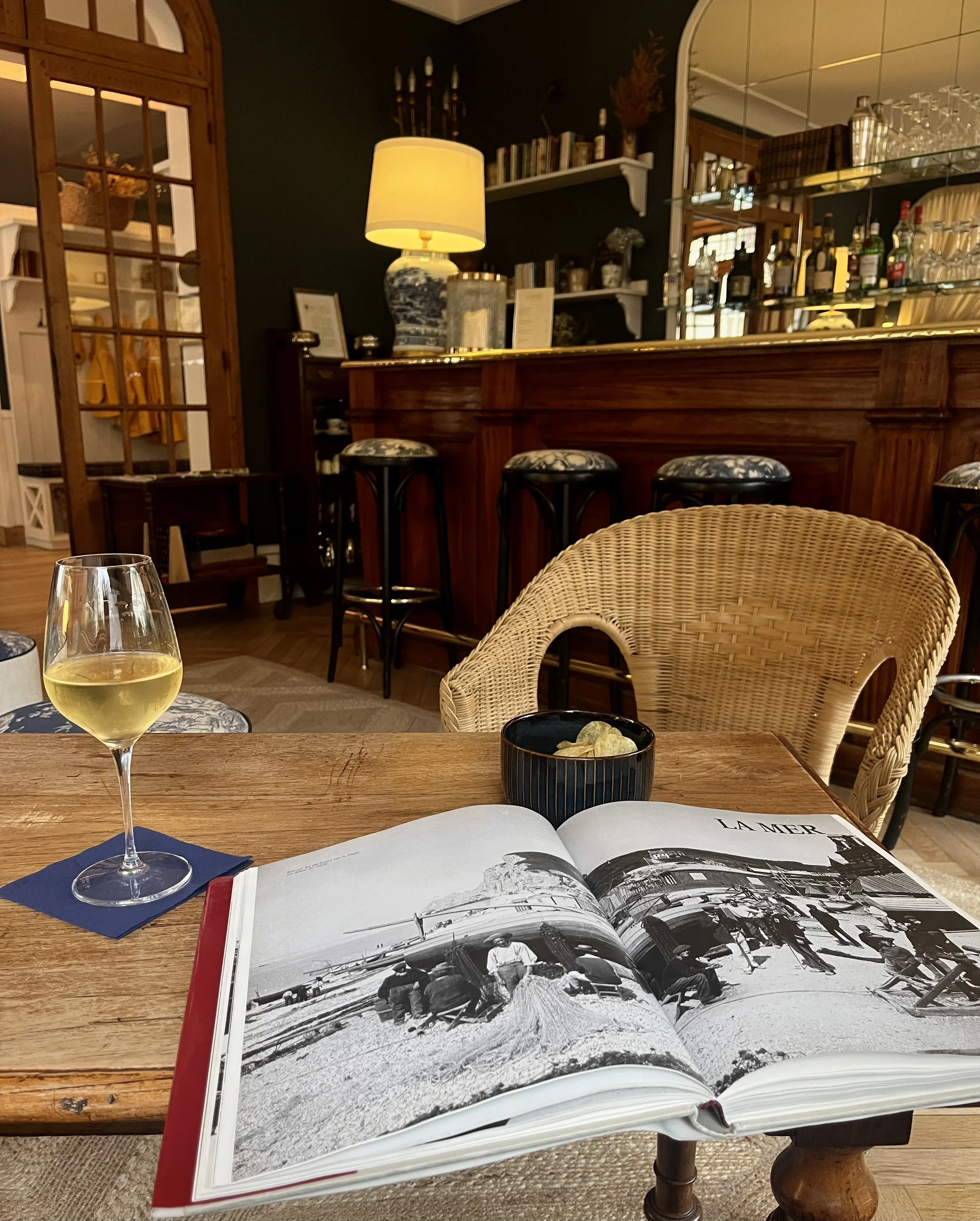
Speaking of timeless hotel traditions, a good hotel bar has become a dying art. Le Bovary is a thoughtfully designed space that balances seaside ease with its wooden bar and French formality with its symmetry and weight. There’s a collection of books to flip through as you enjoy an aperitivo, and I found myself delving into a book with black and white photographs from days of Normandy’s past. As a lover of interiors and picture books, I was enamored to enjoy un verre here in the late afternoon.
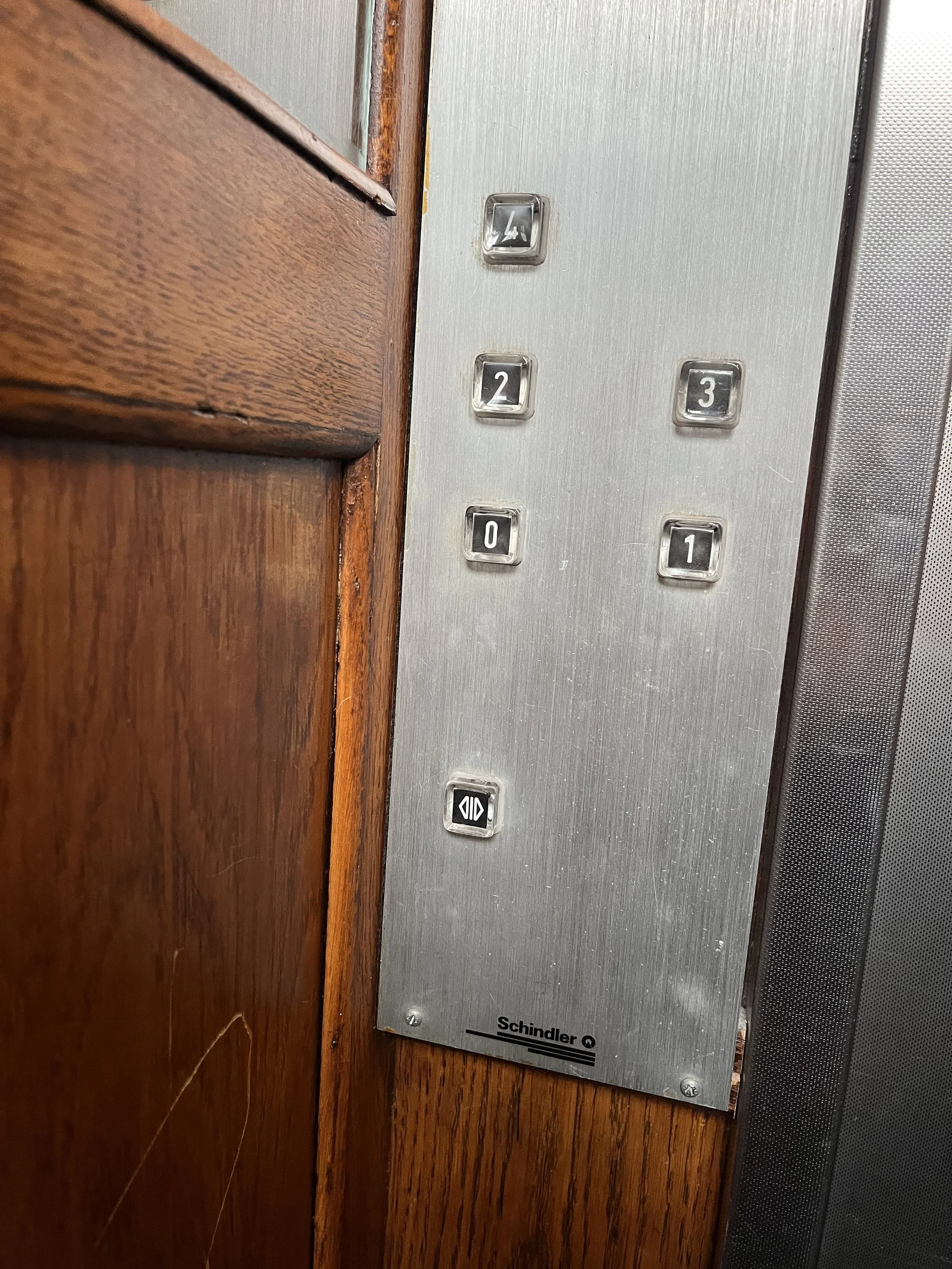
In a historic hotel that dates to 1932, named for a writer that died in 1880, who wrote his opus magnum in 1856, there is a sense of place that cannot be avoided or denied. Slipping through time occurs naturally here. Fans of Madame Bovary will see that Hôtel Flaubert has adopted the philosophy of le mot juste for every detail, from elevator buttons to hallway signs.