Sardinia
Santa Teresa di Gallura - Palau - La Maddalena - Spargi - Budelli - Santa Maria - Caprera - Olbia - Cagliari
Certified Blue Zone
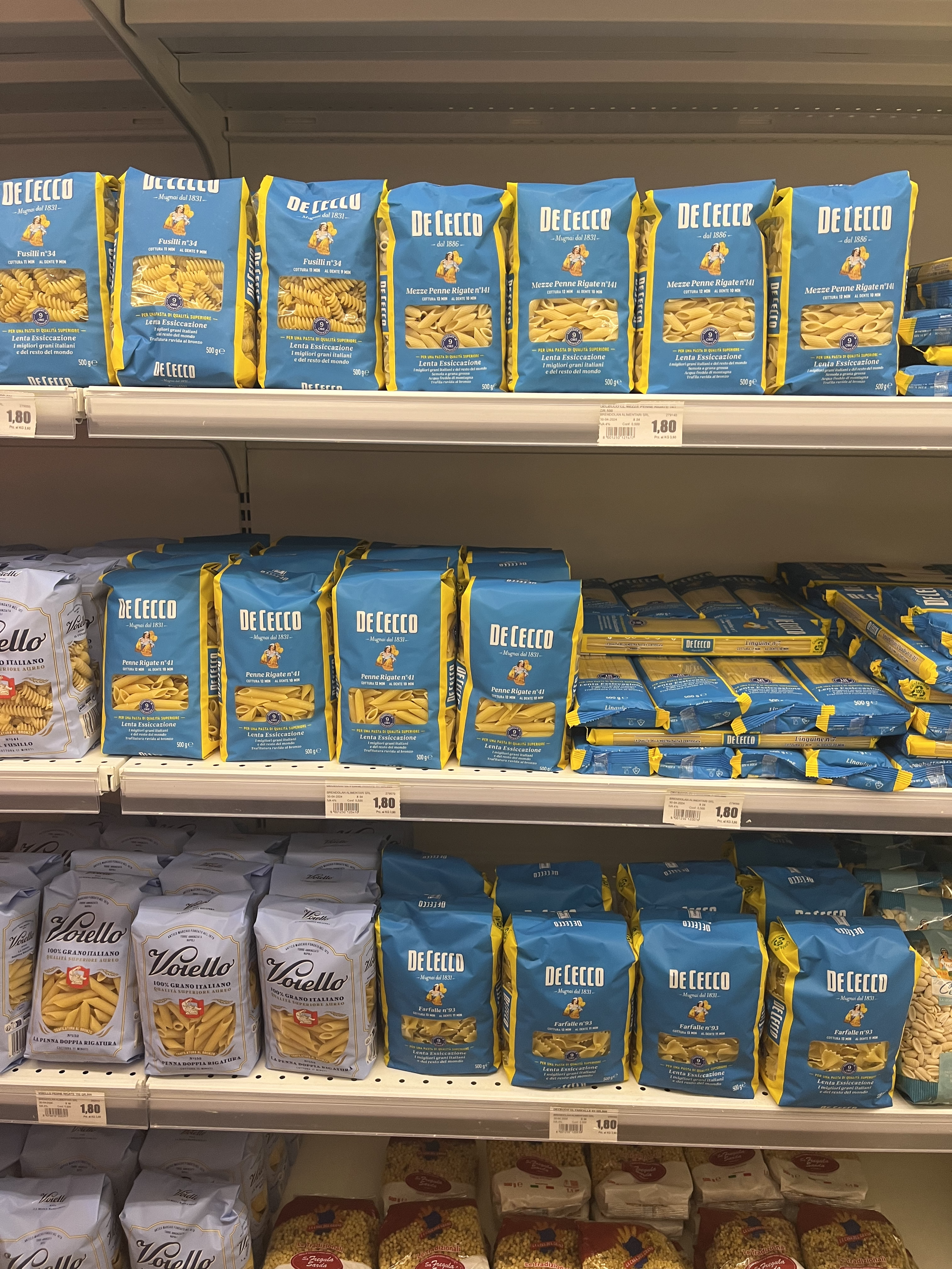
Sardinia has been hailed a Blue Zone by Dan Buettner, the result of a base of research almost two decades in the making. A contributing factor specific to Sardinia is the prominence of minestrone soup. Personally, come fall, I am a minestrone addict. I exclusively make Ina Garten’s minestrone, with just a few tweaks (no squash for me, and I pretty much double the pasta). It becomes my obsession the moment the air turns crisp. Seriously, I can’t get enough of it, and have even had it for breakfast on more than one occasion.
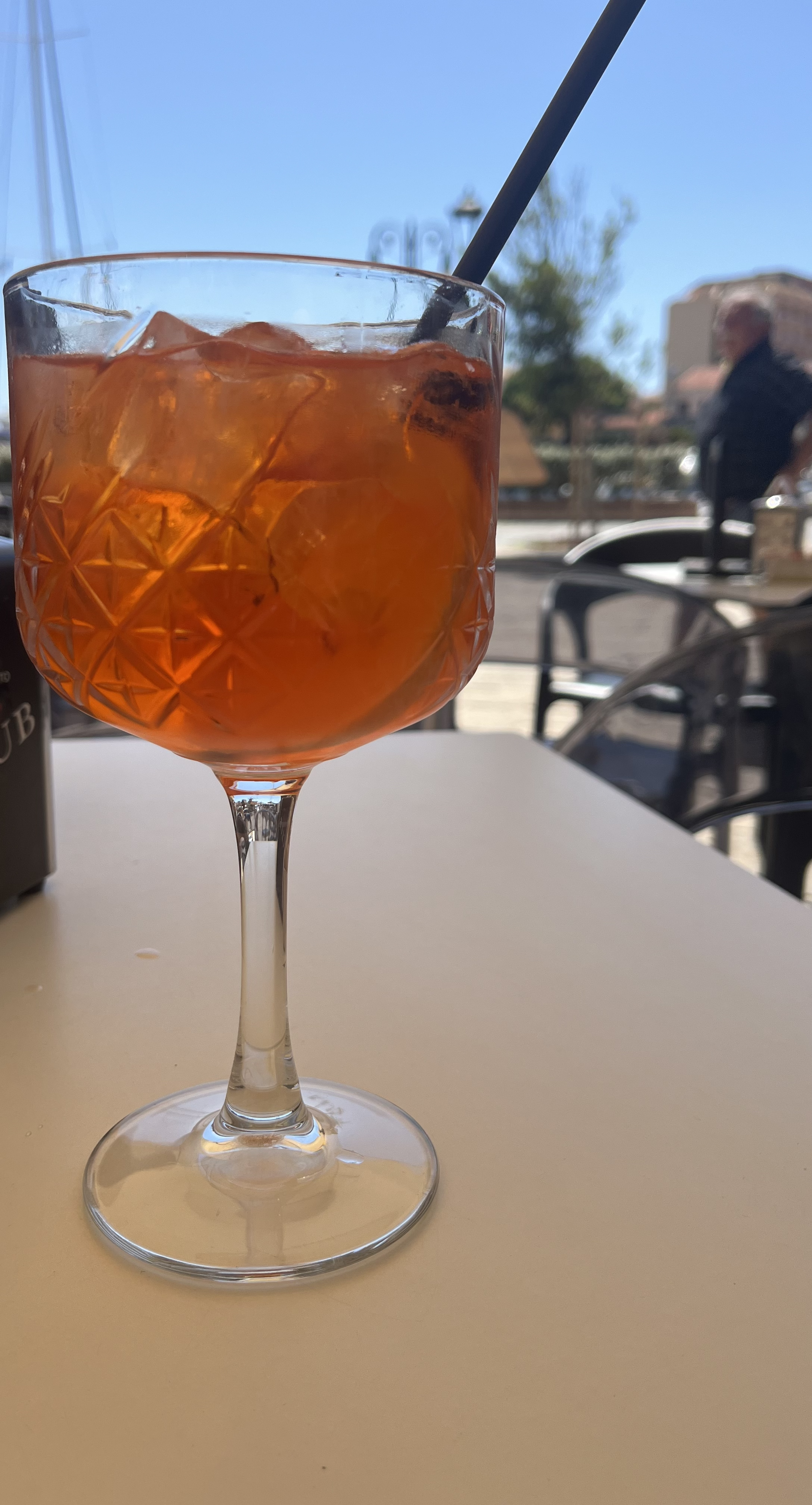
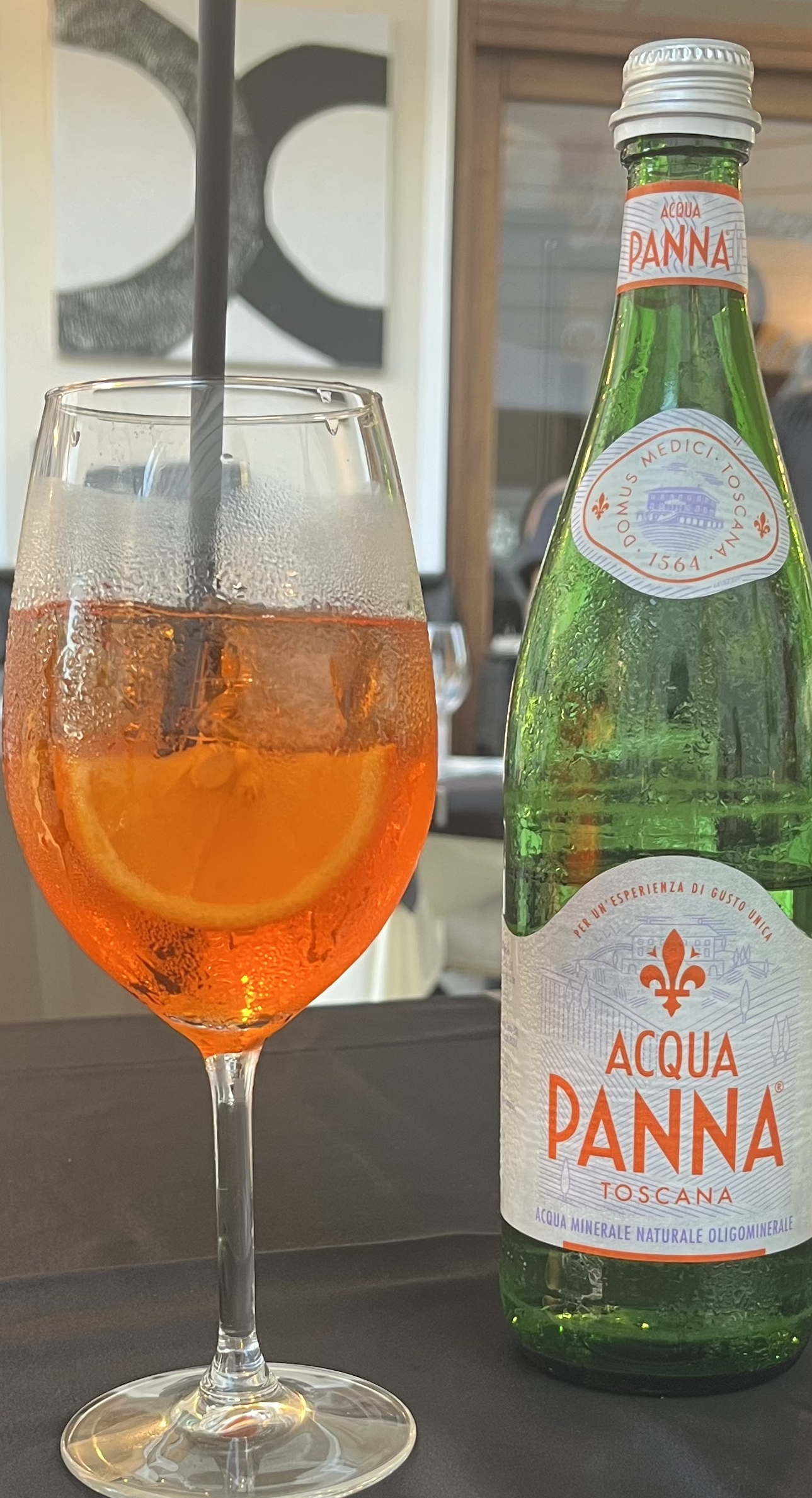
Despite my obsession, a recent trip to Sardinia yielded no minestrone for me. It was about 90 degrees Fahrenheit, so I was more interested in Aperol Spritzes and Acqua Panna than simmering broth. However, I can guarantee you that Sardinia is a certified blue zone in more ways than one.
The Strait of Bonifacio is home to more than just blue water. An archipelago of islands that have been inhabited since prehistoric times dots the northeastern corner of Sardinia, islands that are now nearly car- and resident-free.
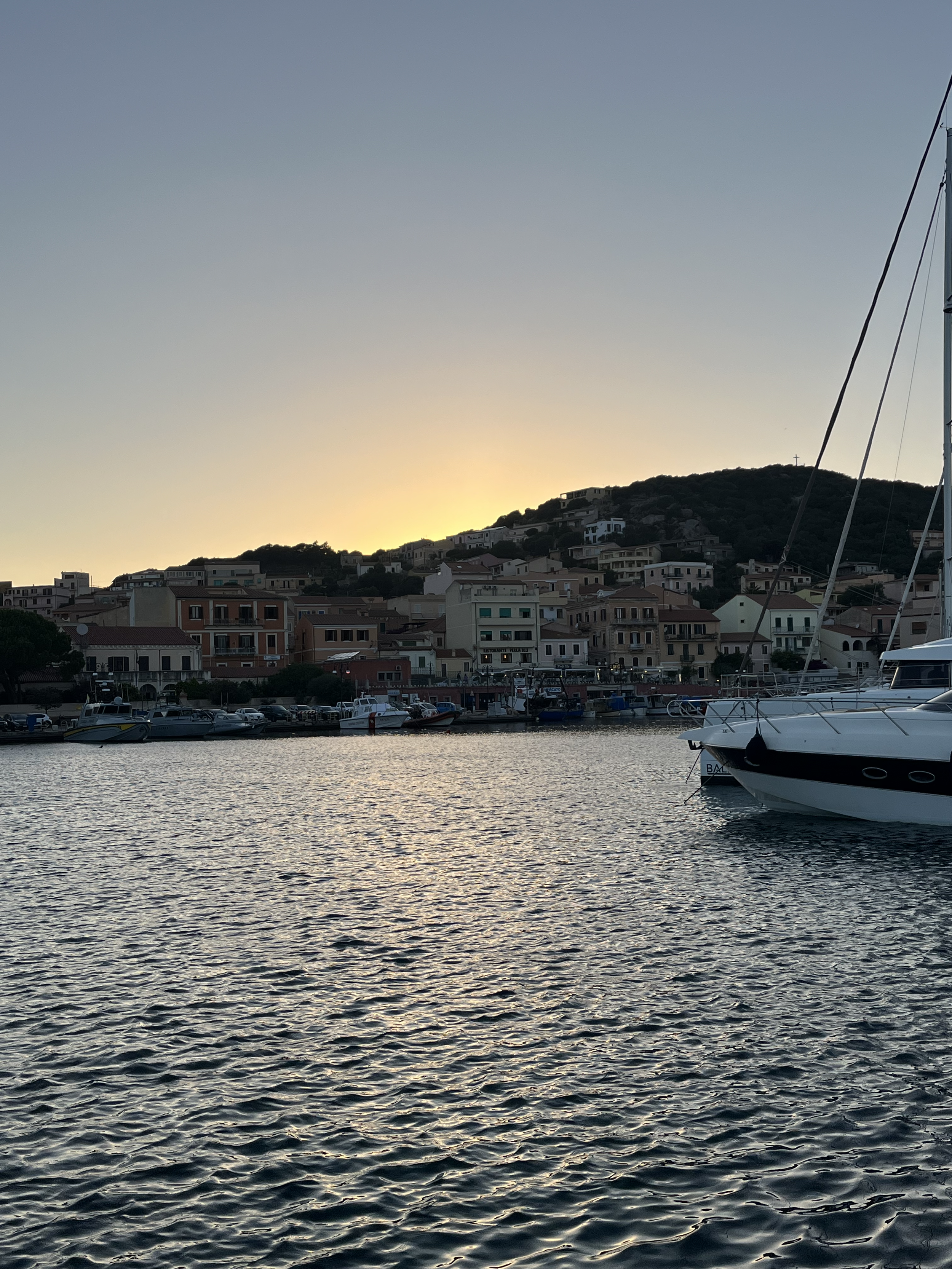
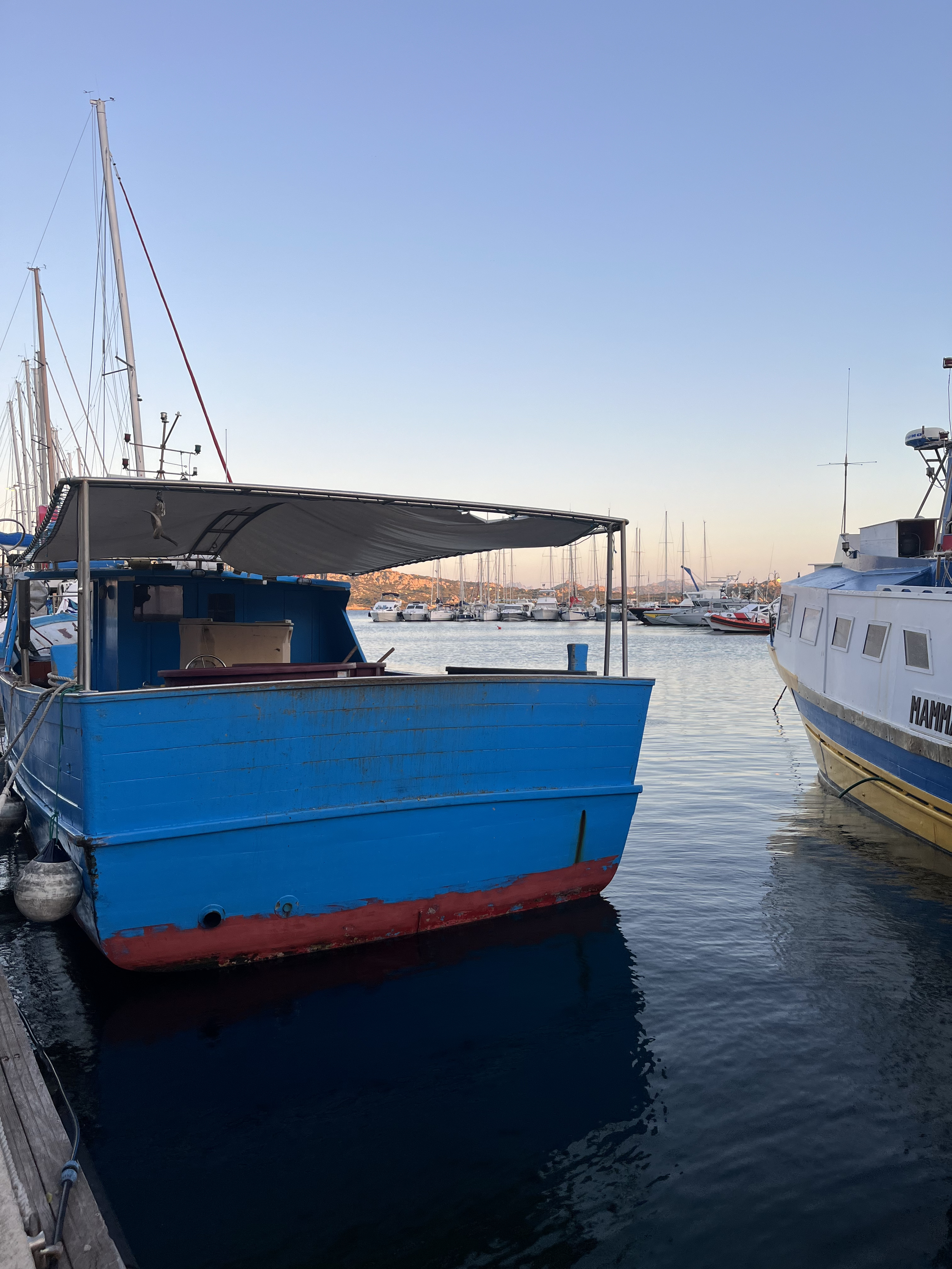
La Maddalena was my base for the first leg of my Sardinian venture. Coming from Corsica, it was easy enough to get to. Just a ferry from Bonifacio, Corsica to Santa Teresa Gallura. A four hour wait for a bus that opened its doors five minutes before departure. Normale. A bus driven by a woman dressed so well, she could have been fresh off the Prada runway. Another ferry from Palau to La Maddalena. Finally, a short walk to my accommodation. It was easy, but did take almost eight hours.
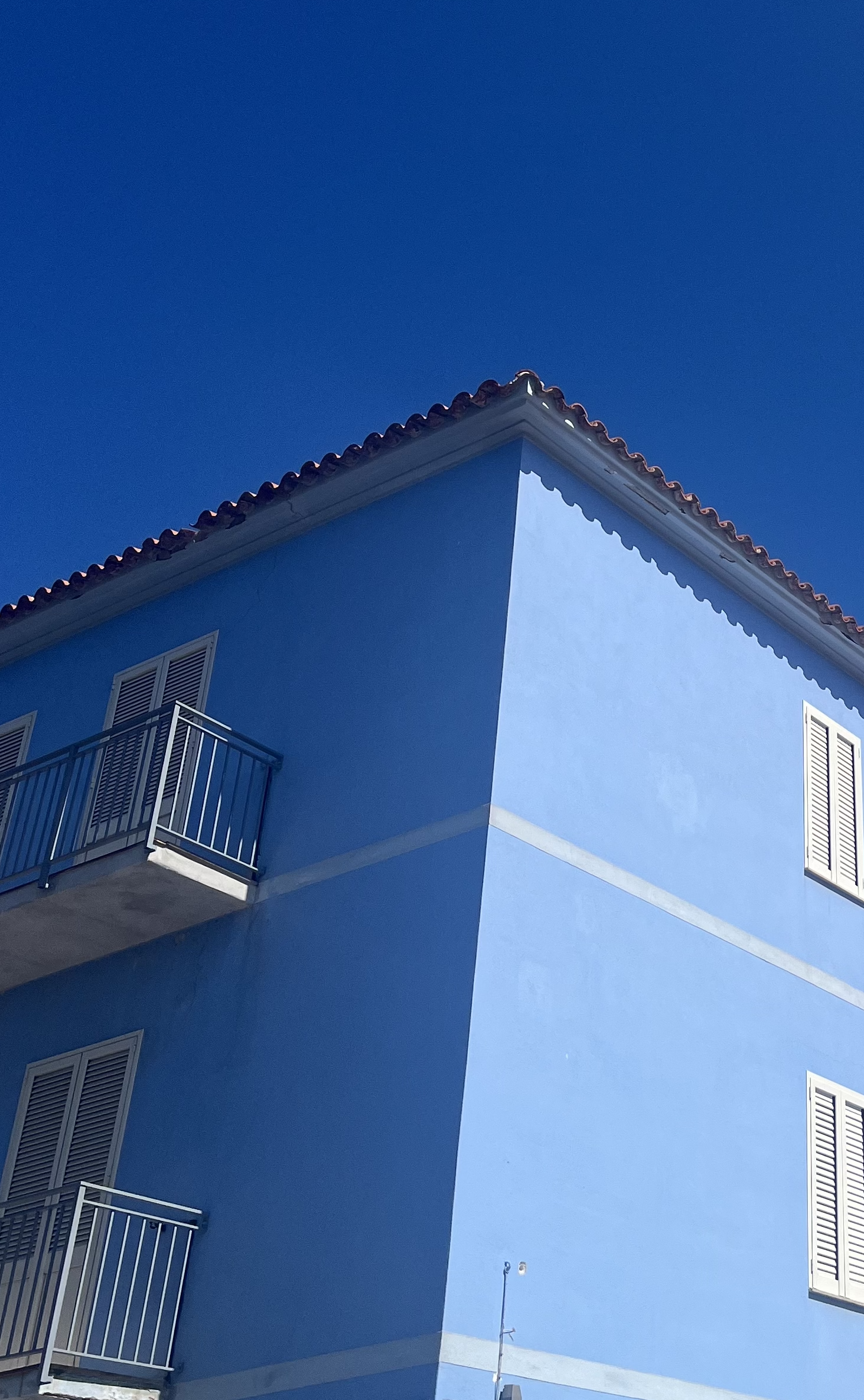
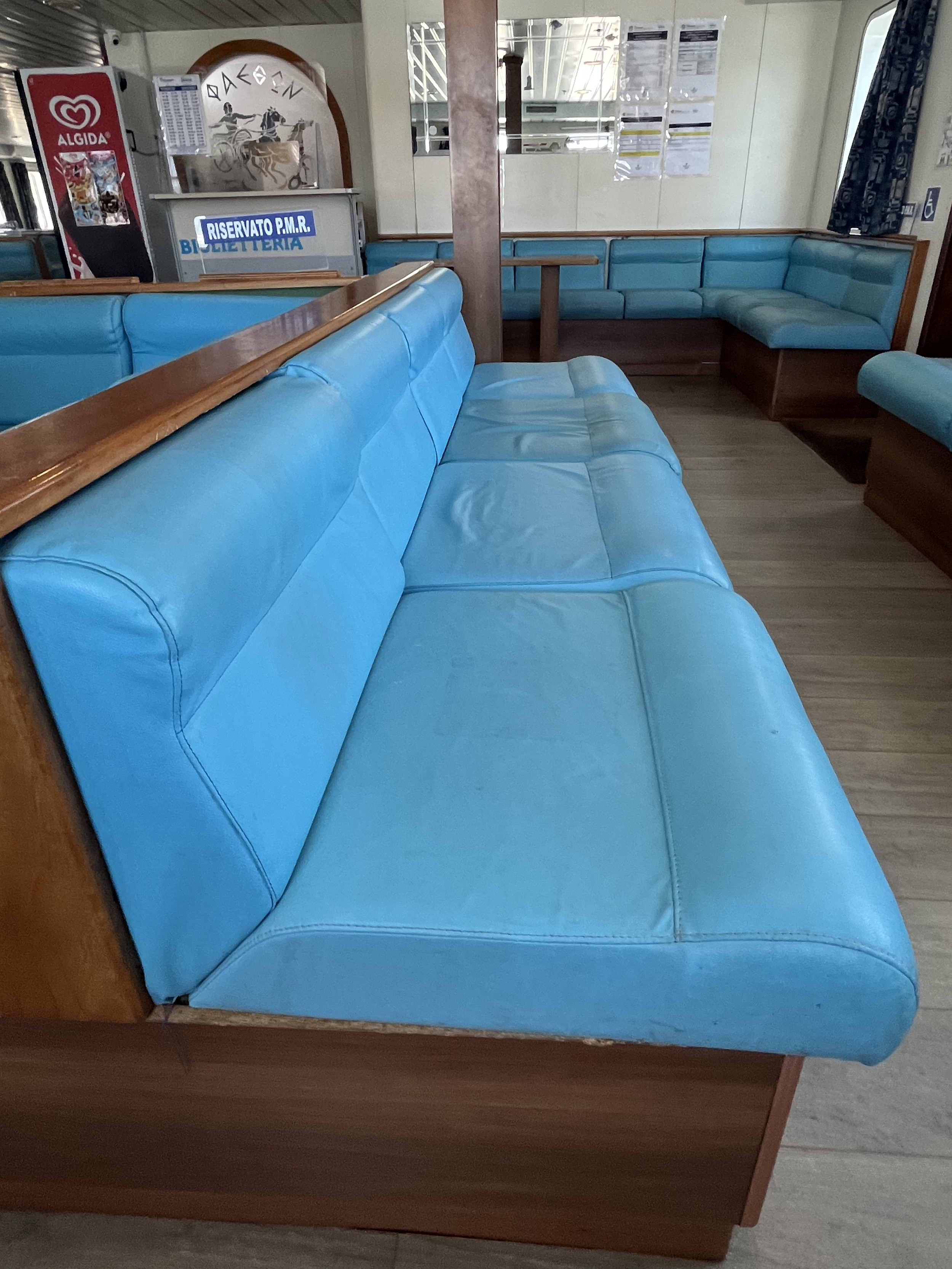
I chose La Maddalena as my northern base because of its proximity to the neighboring isolas of Spargi and Caprera. In a few days, I fell in love with more than just the unreal water surrounding the island. From the 1960s-era blue leather ferry upholstery to the sunsets that I paired with Aperol, I found myself in an oasis of time-immune bliss.
My northern Sardinian base of La Maddalena, the largest island of the archipelago, is the only one with a real town. Try to drop Google Map’s little yellow man on a road on any of the other islands, like Spargi or Budelli. You can’t! There aren’t any roads. Therein lies the preciousness of these isolas. Like France’s Île de Porquerolles, another car-free haven for beach lovers, the Maddalena archipelago can only host you as a temporary passerby. Some locales, like Budelli’s Instagram-famous Spiaggia Rosa, have even closed entirely to preserve the idyllic beauty that is singular to Sardinia.
If you’re able to trek from wherever you hail to the archipelago, which, by the way, may take upwards of three boats to accomplish, here are some tidbits on the isolas that I was able to visit during a week based in La Maddalena. Stationed at the bow of the Apollo II, a refurbished 1956 wooden motorboat built by the shipyard Gennaro Gatto, I slipped back seventy years as we weaved around the archipelago. We stopped at various beaches and jumping-off-the-boat spots. Armed with a grocery store picnic in my trusty string bag, nine hours under the Sardinian sun passed in slow vintage fashion.
Spargi
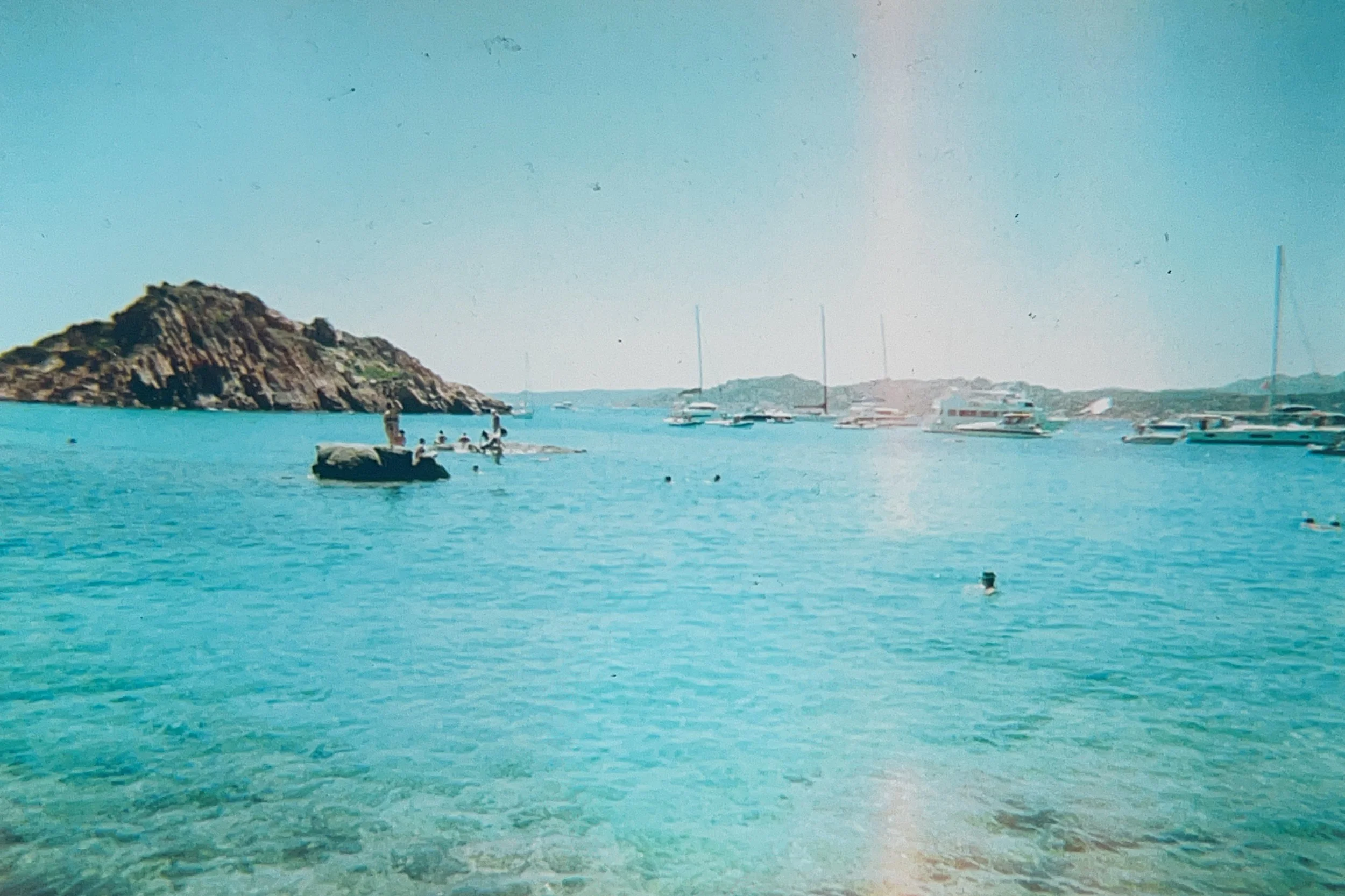
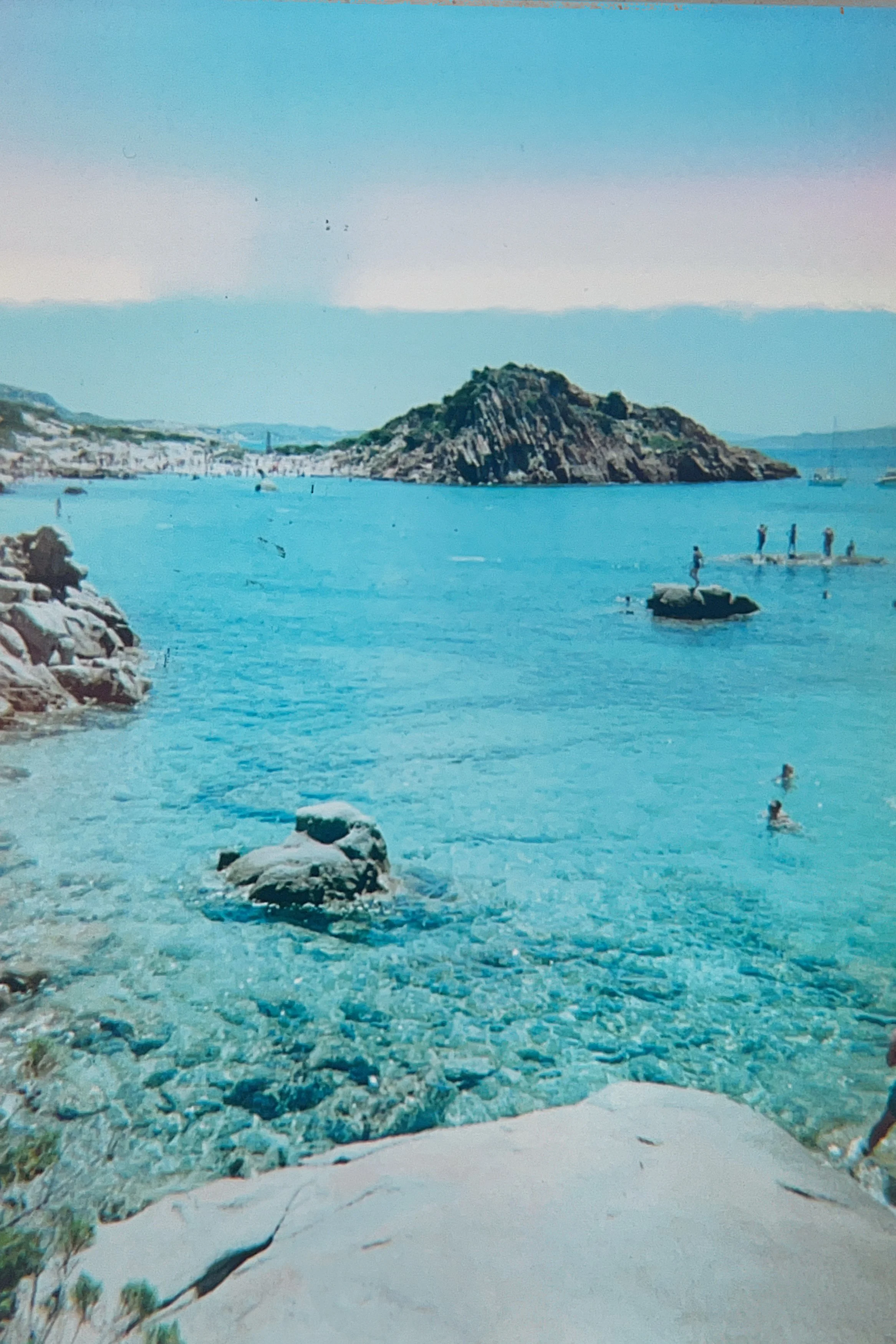
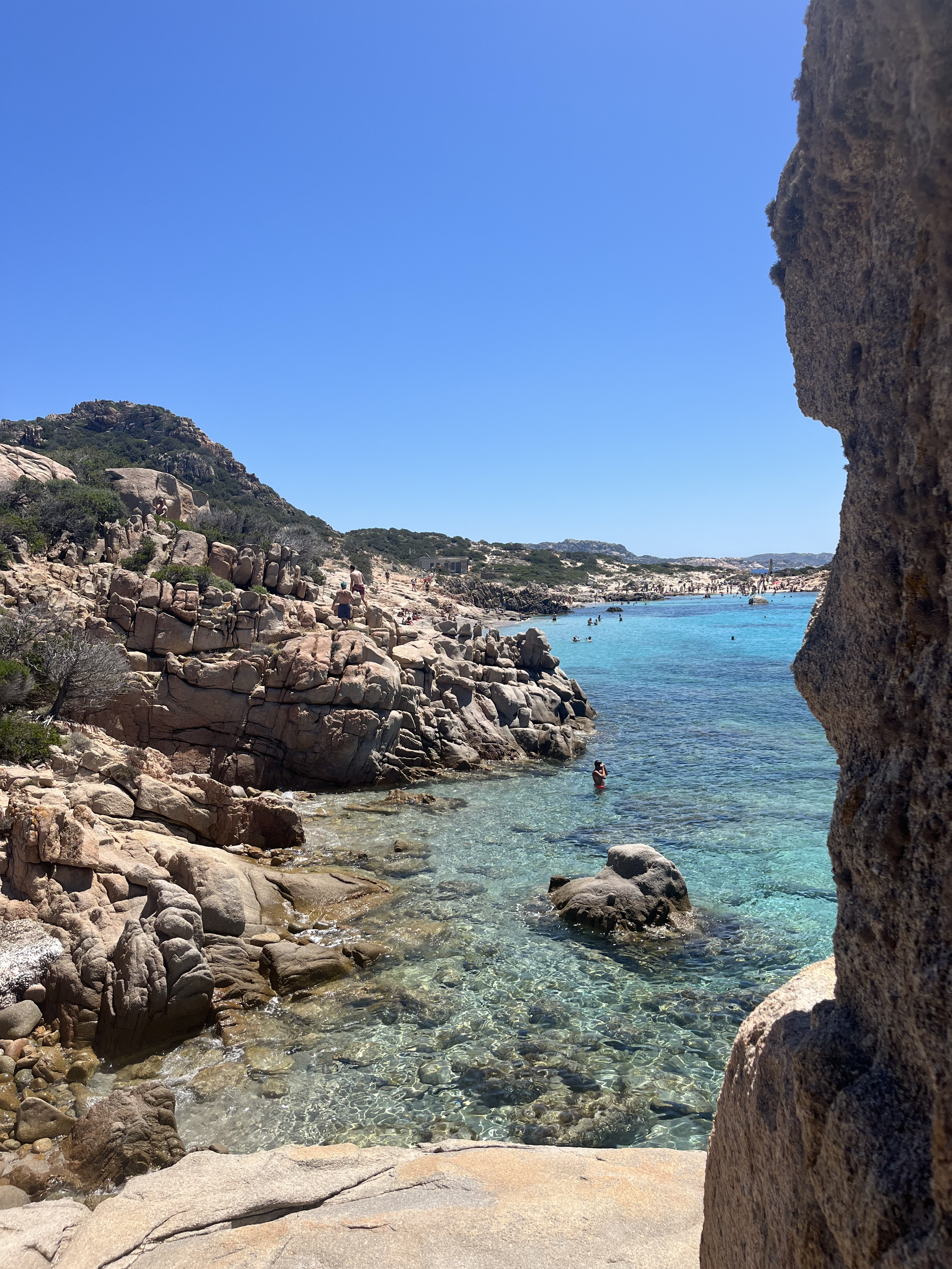
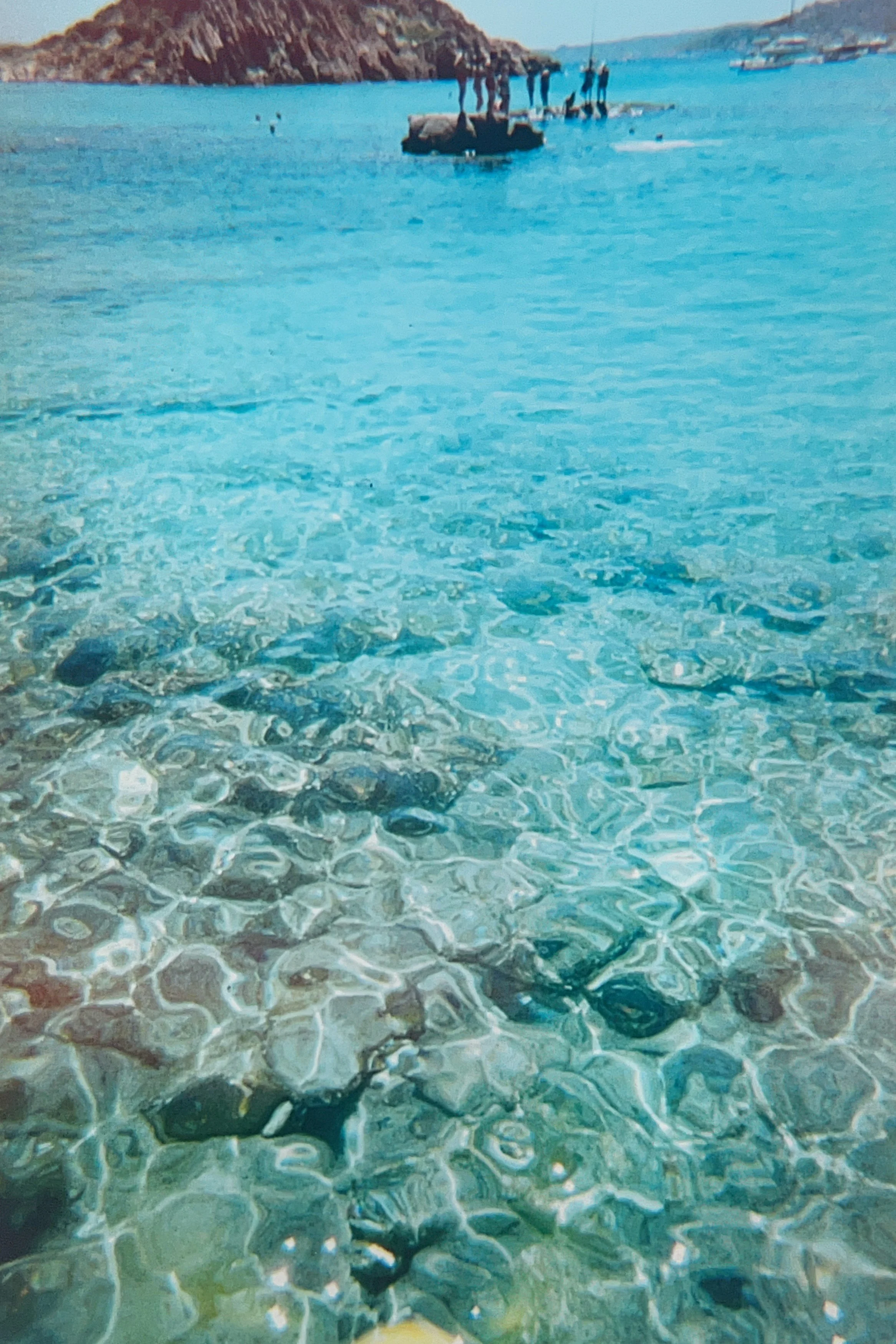
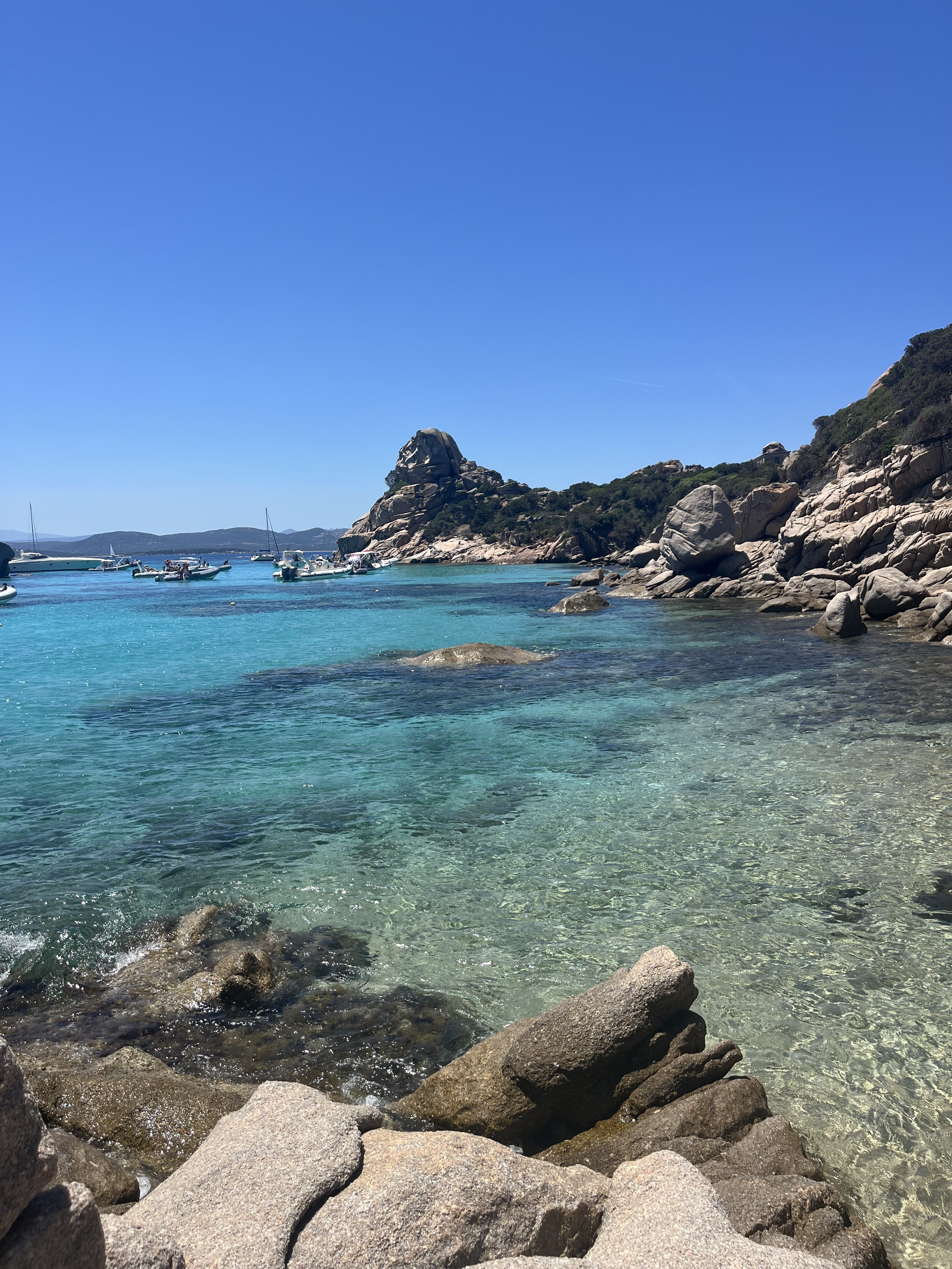
Perhaps the most famous of the archipelago, Spargi is home to Cala Corsara and Cala Connari, the beaches where most visitors end up. At the mercy of hired boats, you’ll likely beach here, too, unless you have the privilege of a personal ride. (And if so, let me give you my number.) At the risk of sounding both redundant and underwhelmed, and as someone who grew up at the beach and isn’t seeing water for the first time, the blues of the Tyrrhenian Sea are mesmerizing. Pictures only sort of do it justice, because, yes, it’s really that blue, but it’s also real. We are so oversaturated by the content we’re exposed to online, that unreal blue water barely registers from a photograph anymore. In real life, it’s still shocking. (And this is why we travel…) Swim with the schools of fish, jump off boulders sticking out of the water like otter heads, and lay on the sand. Have a snack from your picnic. Pretty much do nothing.
Santa Maria
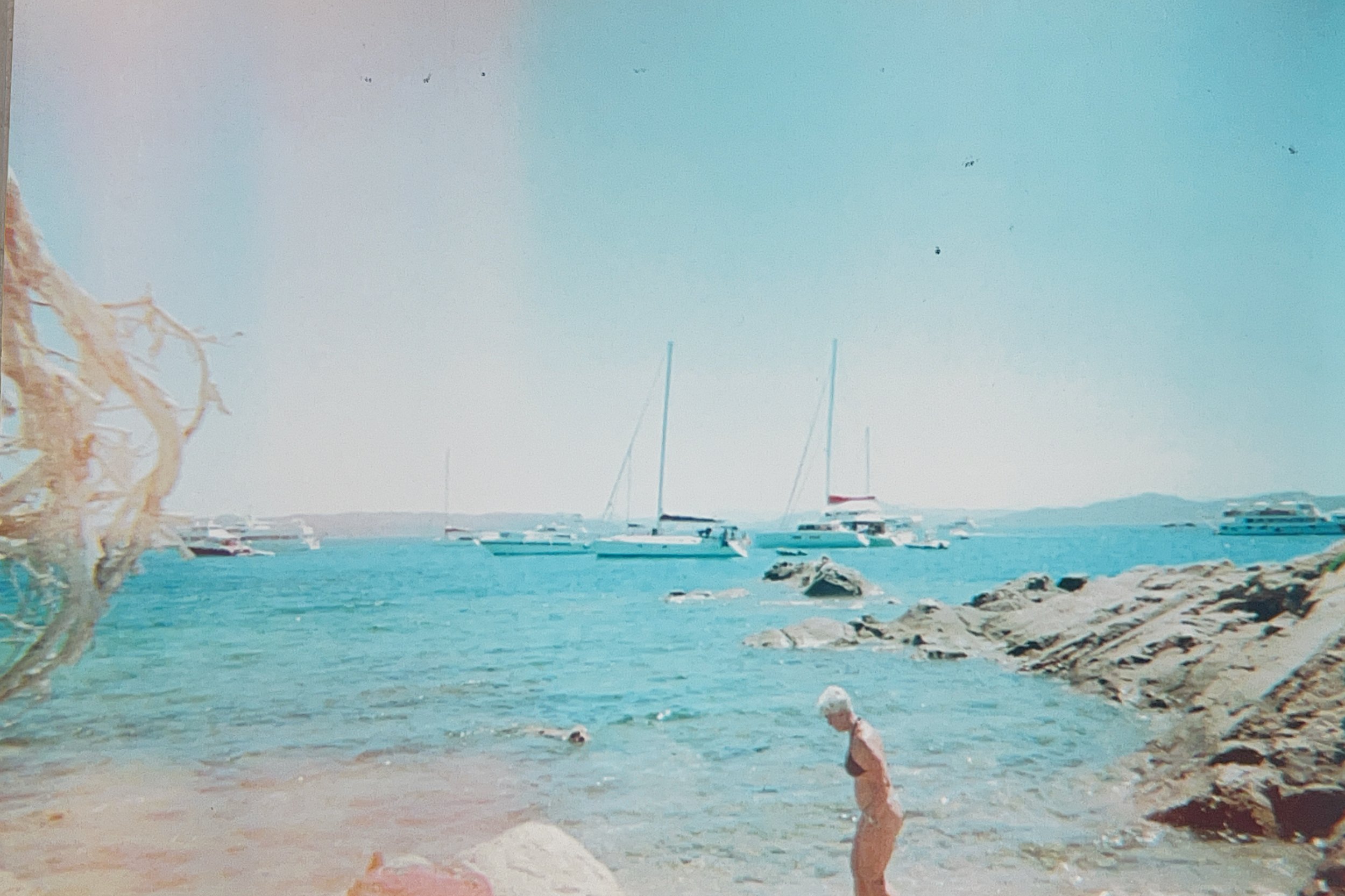
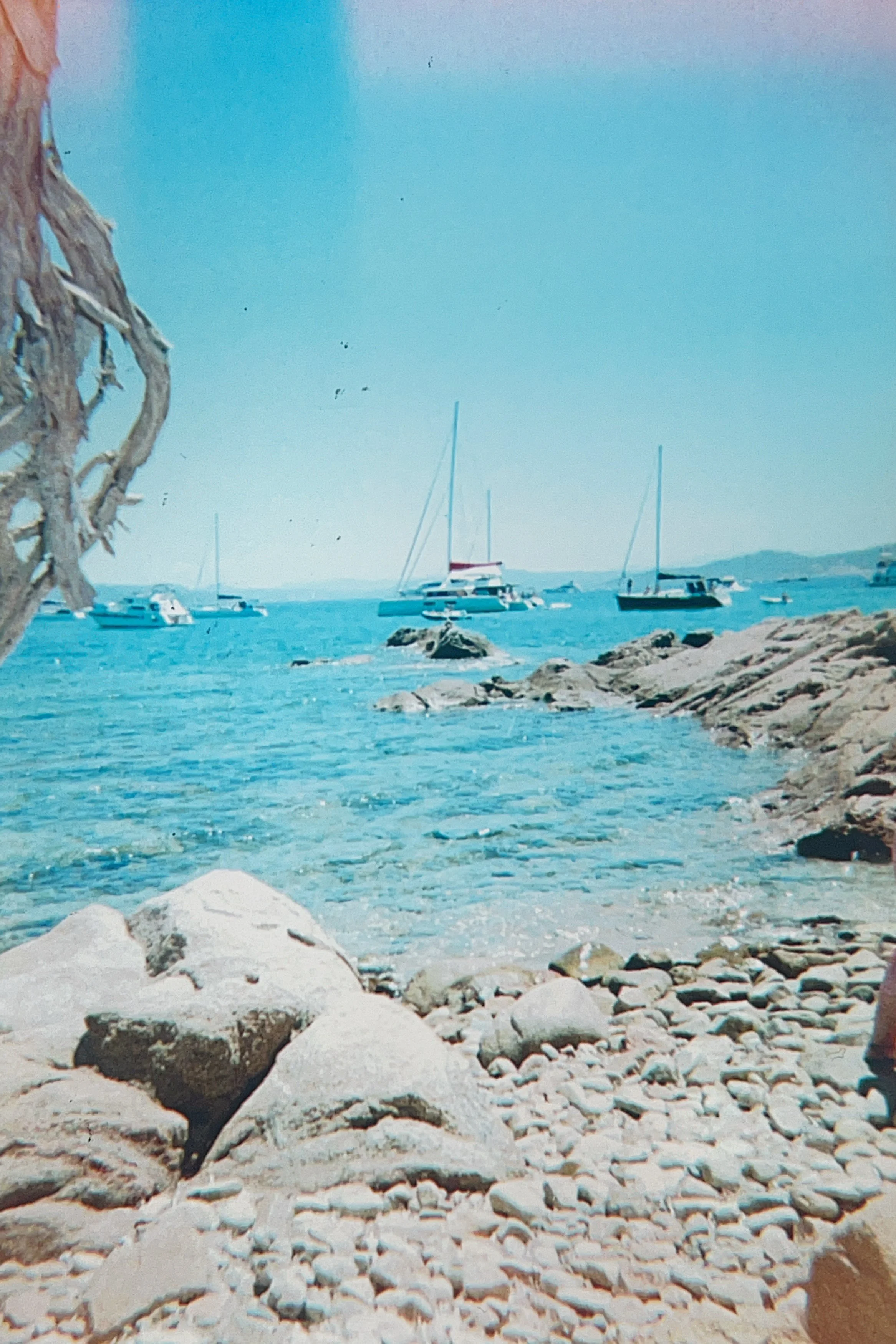
Spiaggia di Santa Maria isn’t dissimilar from Cala Connari on Spargi. When we docked, the beach was more crowded than the previous, so instead of laying my towel out on the sand, I followed a knowledgable looking couple to an off-path speck of beach that was more my speed. Nestled under the low piny trees, I found a new friend and photo subject.
Caprera
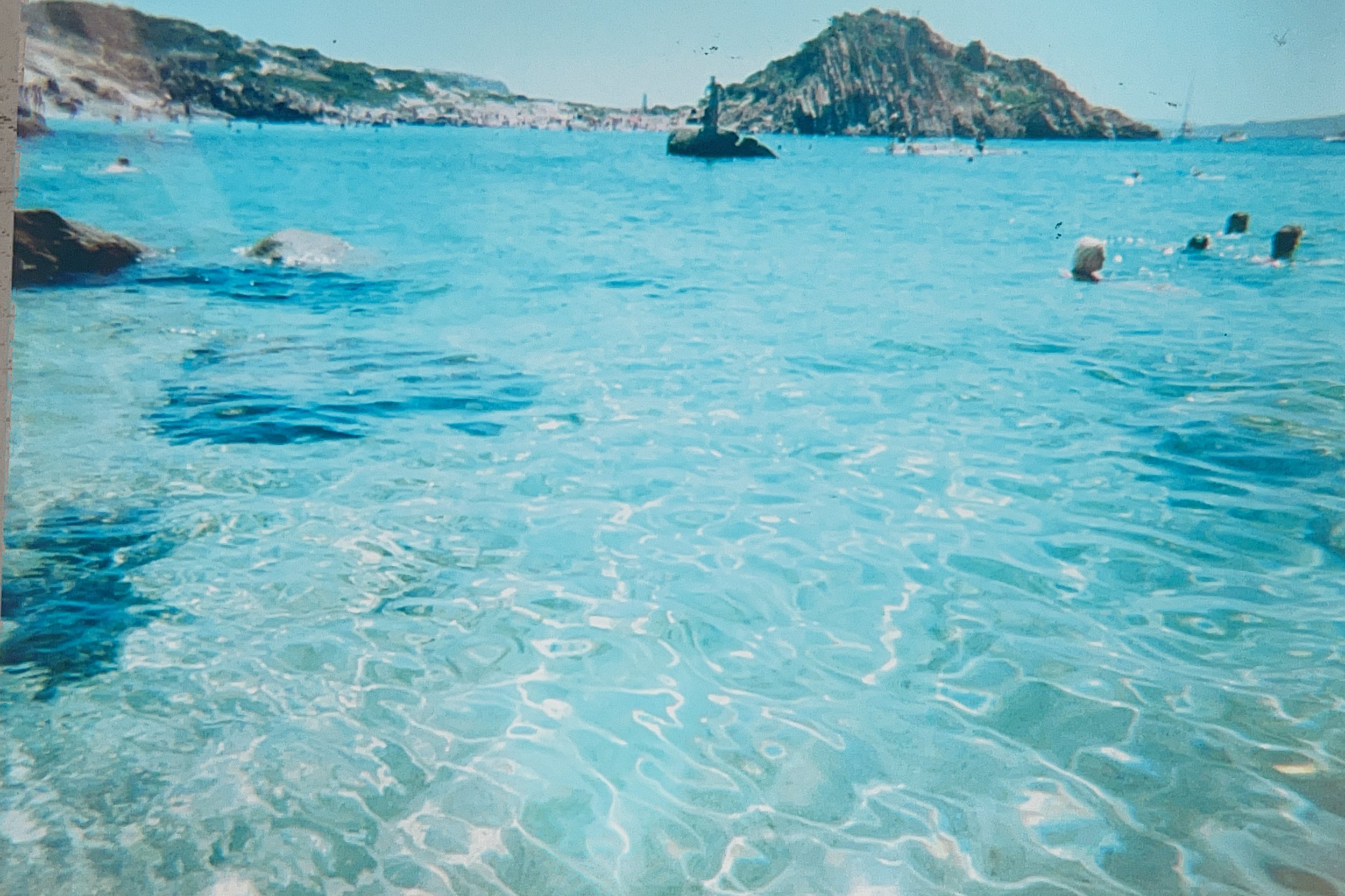
Considerably larger than Spargi and Santa Maria, Caprera has a few roads and is inhabited. You’ll even find a restaurant or two, if you want to call them that. In the water between Caprera and La Maddalena, something unusual happens. Shades of blue alternate as the sun finds different depths, resulting in a hypnotic visual that is hard to look away from. En route from Spargi to Caprera, there was one thing that I noticed, one thing that I appreciated. Only echoed by the vintage boat I was strewn across, the roll of 35mm film in my yellow Kodak that I exhausted, and no cell service, time has stopped in Sardinia, and we must protect that at all costs.
Olbia to Cagliari
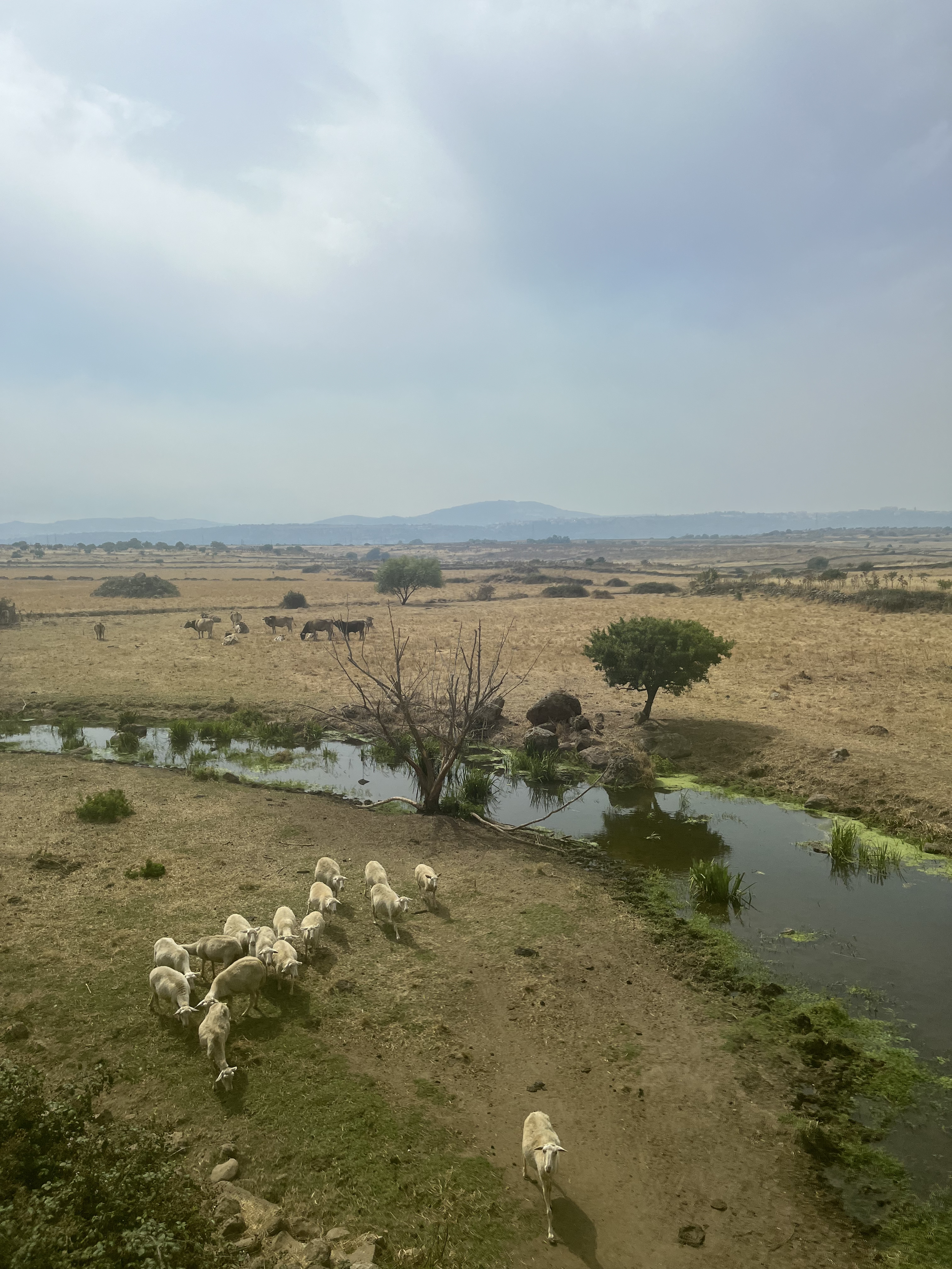
Between Olbia and Cagliari, Sardinia is a dry and wild landscape. Juxtaposed with its turquoise shores dotted with super yachts, the interior feels prehistoric, pre-Christian, and pre-GPS. In all places, it’s a history lesson on layered cultures who have visited, lived, or dominated the island.