Brittany
Quimper - Concarneau - Pont-Aven - Quimperlé - La Forêt Fousenant
A winter roadtrip through Finistère
The non-Mediterranean side of France doesn’t have the sparkling turquoise waters of the Côte d’Azur. But Breton charm can be found even in the dead of winter.
The first thing I noticed about Brittany after picking up my car by the Quimper train station was that the street signs were in French and Breton, or Breizh. Only my second time renting a car solo abroad, it thrilled me that the car had built-in GPS with an English setting.
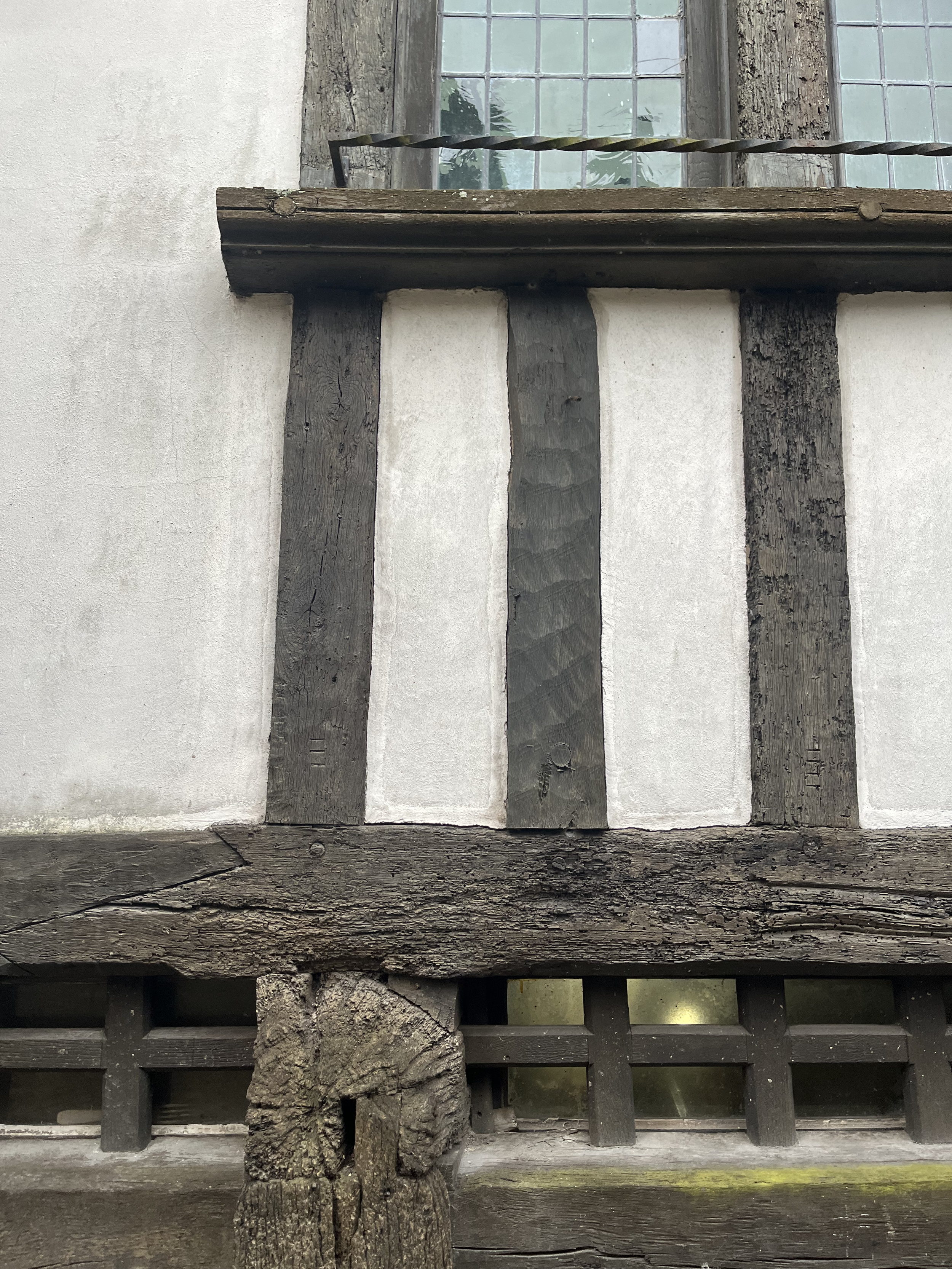
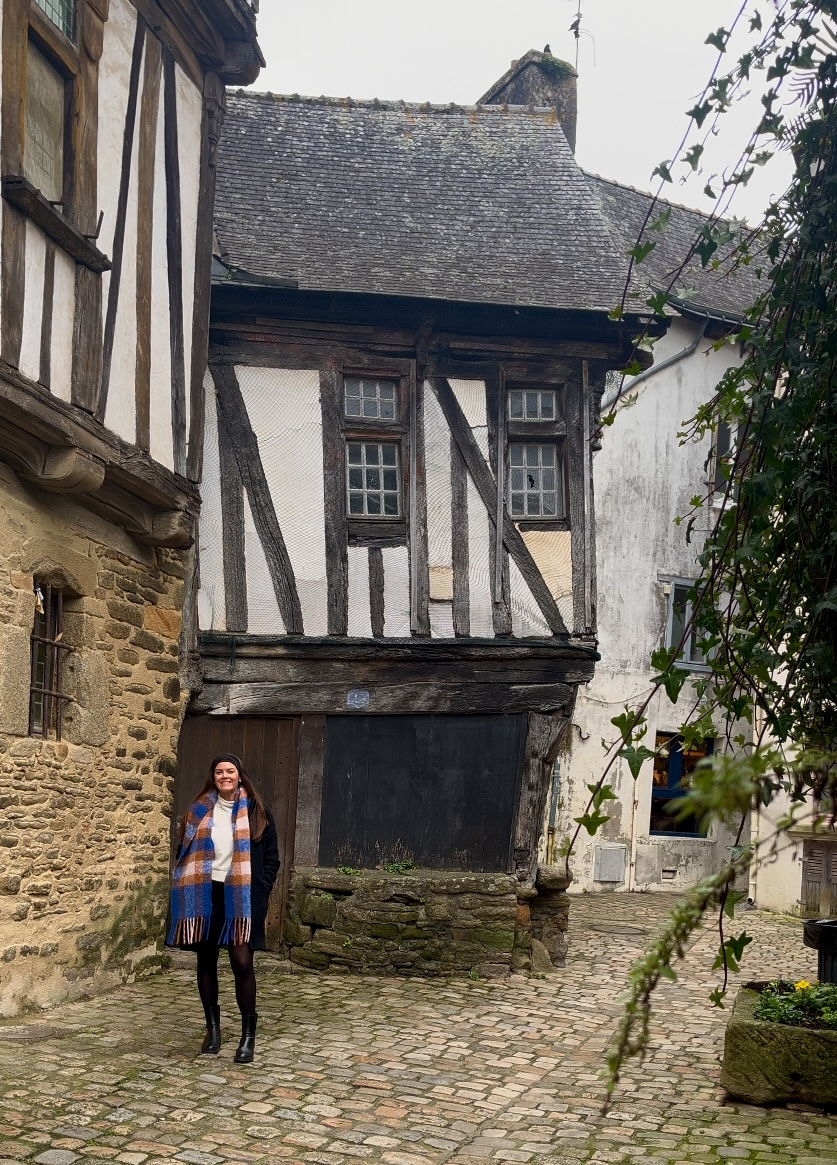
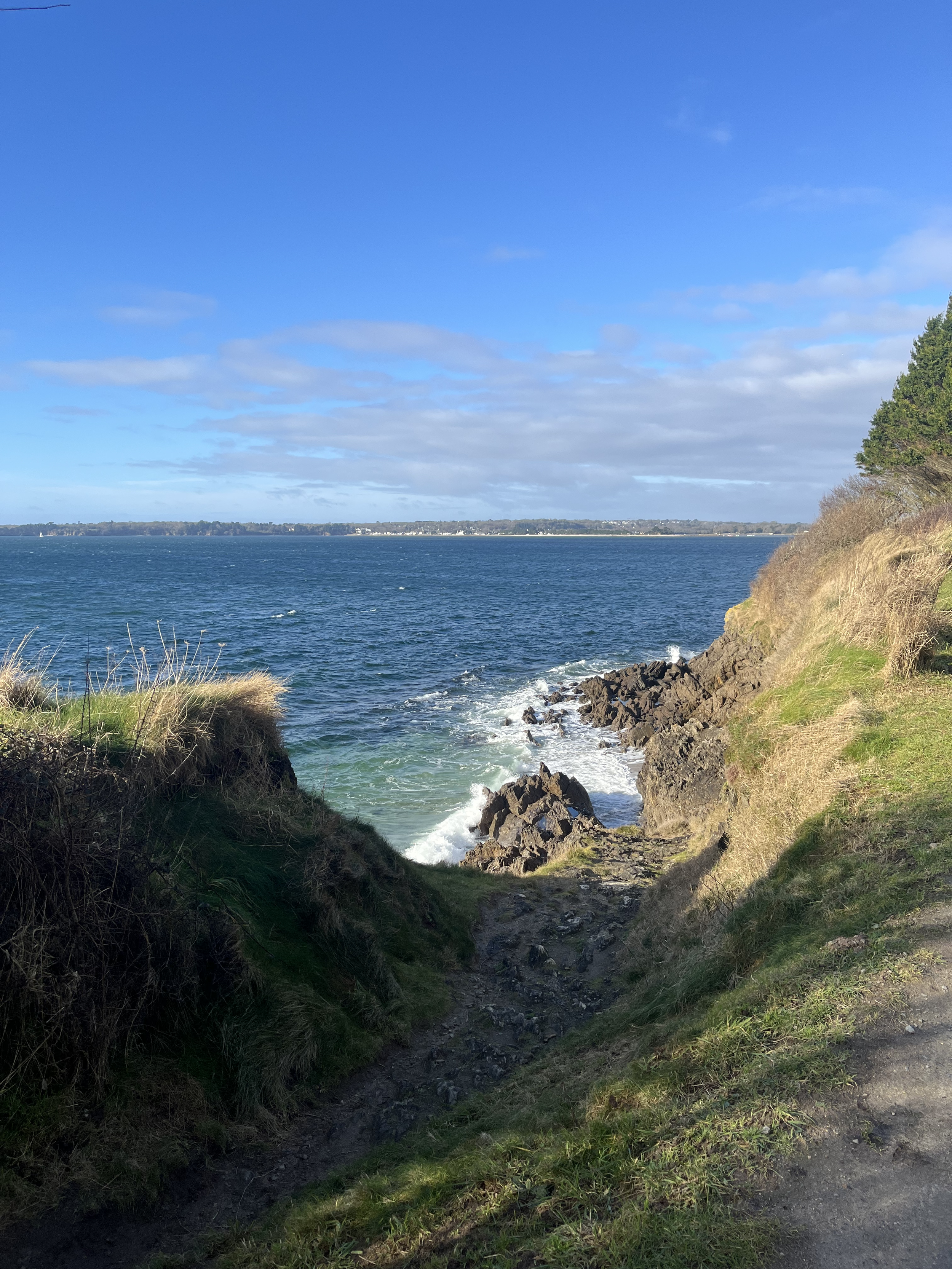
Having just followed the ABC’s of Paris for two days (art, bff, champagne), Brittany felt like a vacation from my vacation. Many go to Brittany in the summer for a respite from hot hot Paris. But, it’s a winter wonderland if crêpes, beach walks, Celtic heritage, Breton architecture, and the world’s best butter are on your bingo card. The Finistère department of France feels both French and Celtic at the same time. Brittany, or Breizh in the distinct Breton language, is one of the six Celtic nations, probably why I felt so at home there. Blue and green reign supreme and there is no shortage of flowing water.
My plan was to roadtrip through the Finistère department, not the usual destination for Brittany visitors. Saint-Malo is a popular summer spot, and one I’d like to enjoy eventually. My trip, like so many others, was inspired by a single episode of No Reservations.
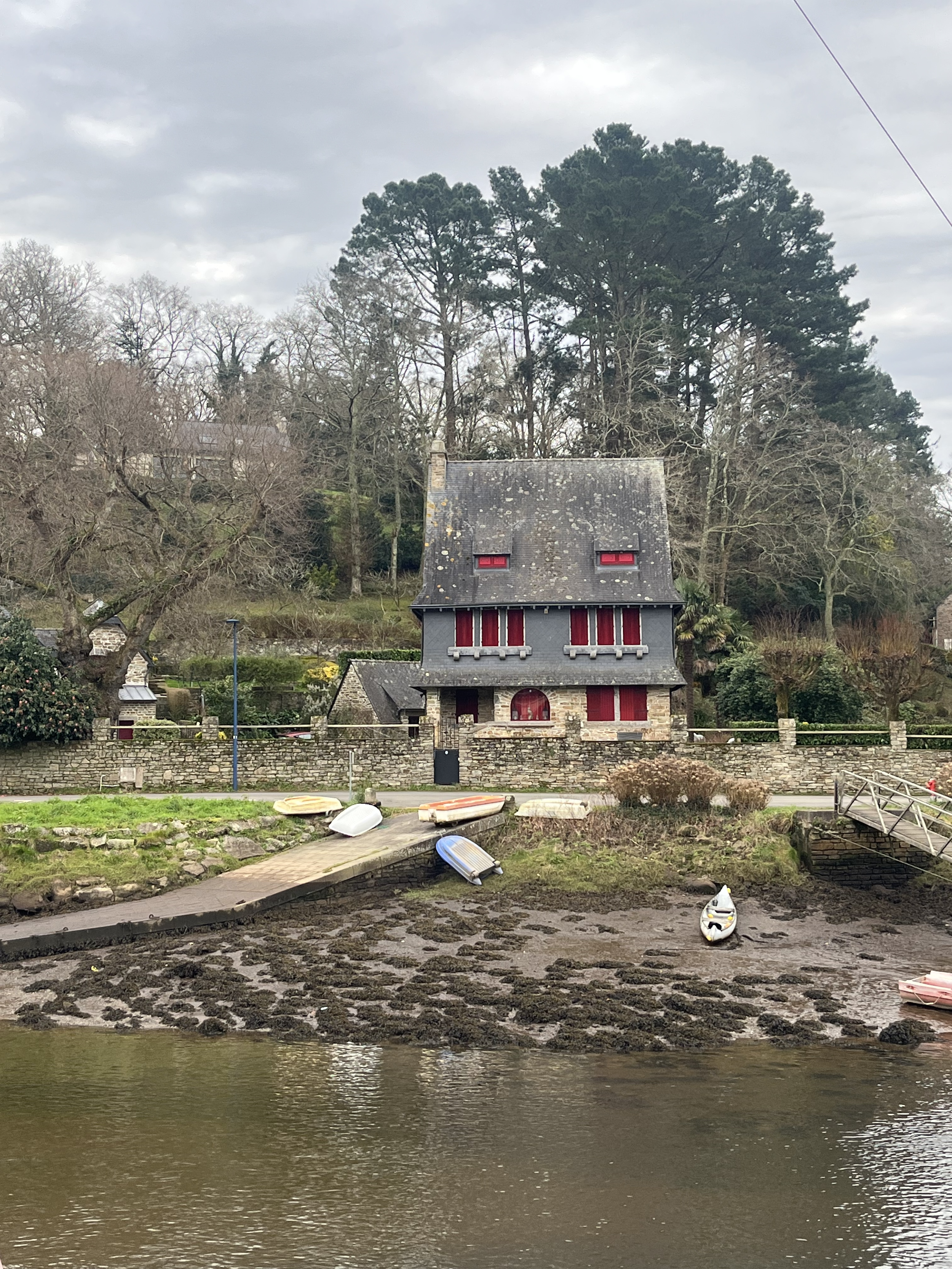
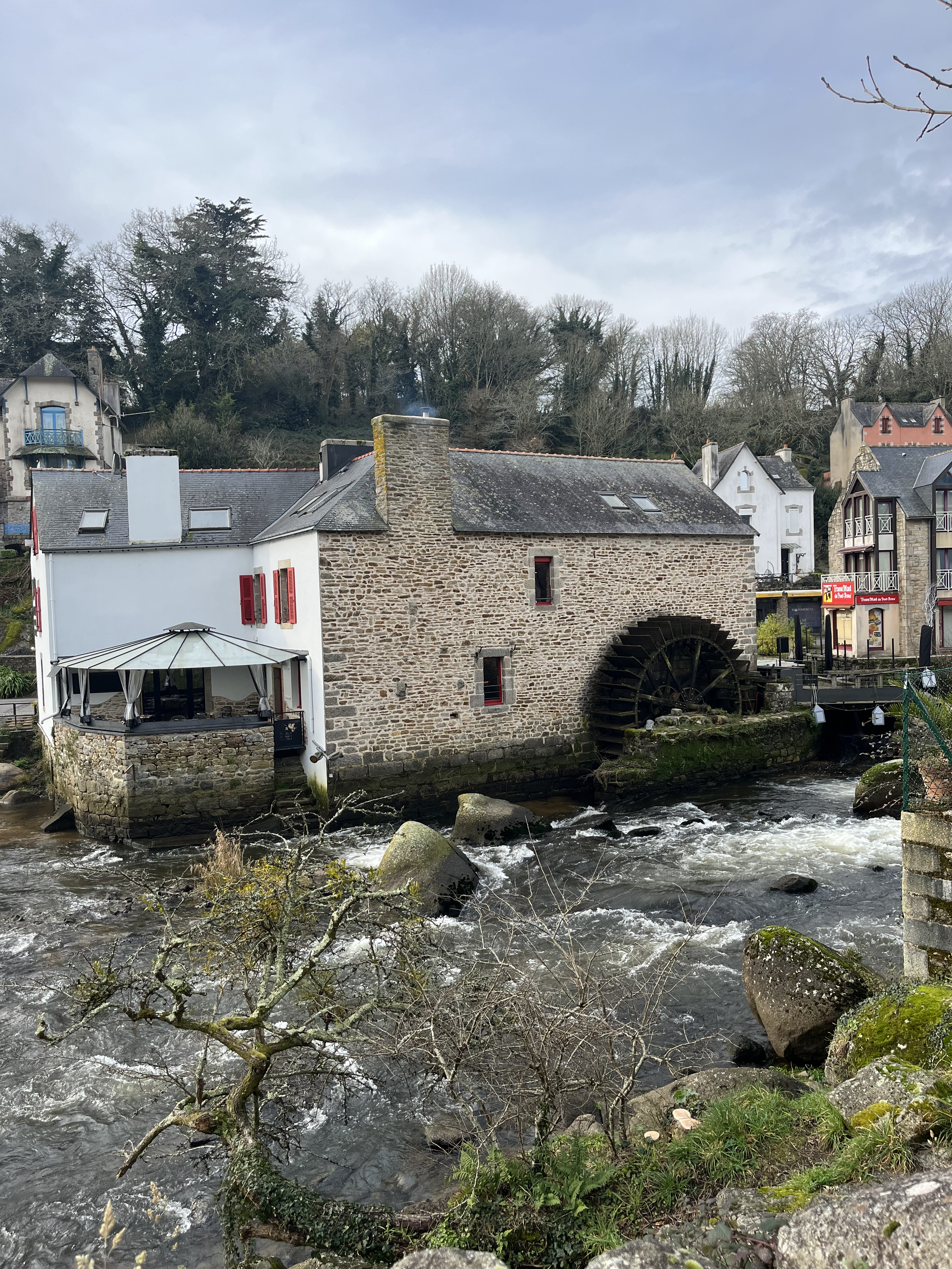
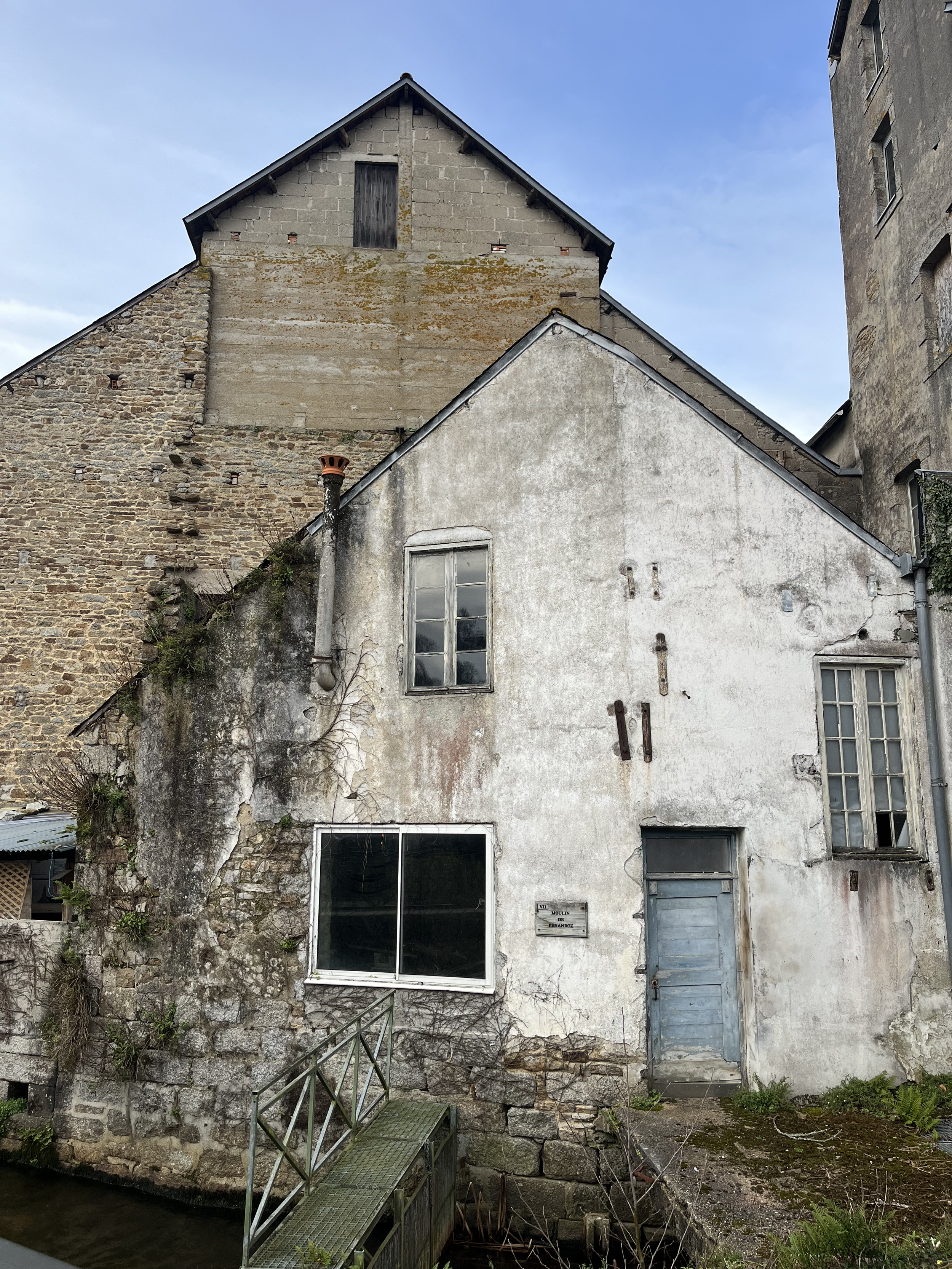
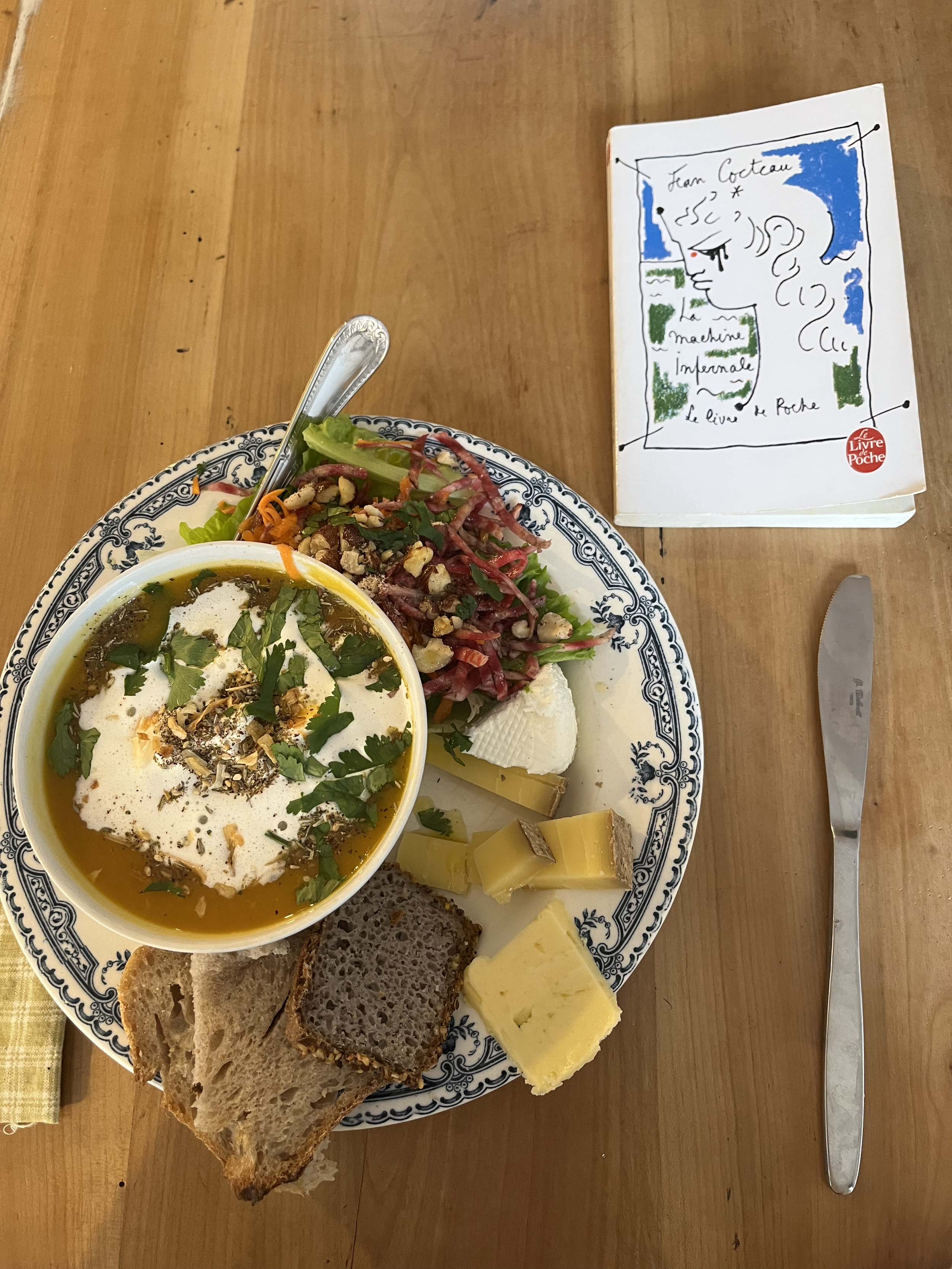
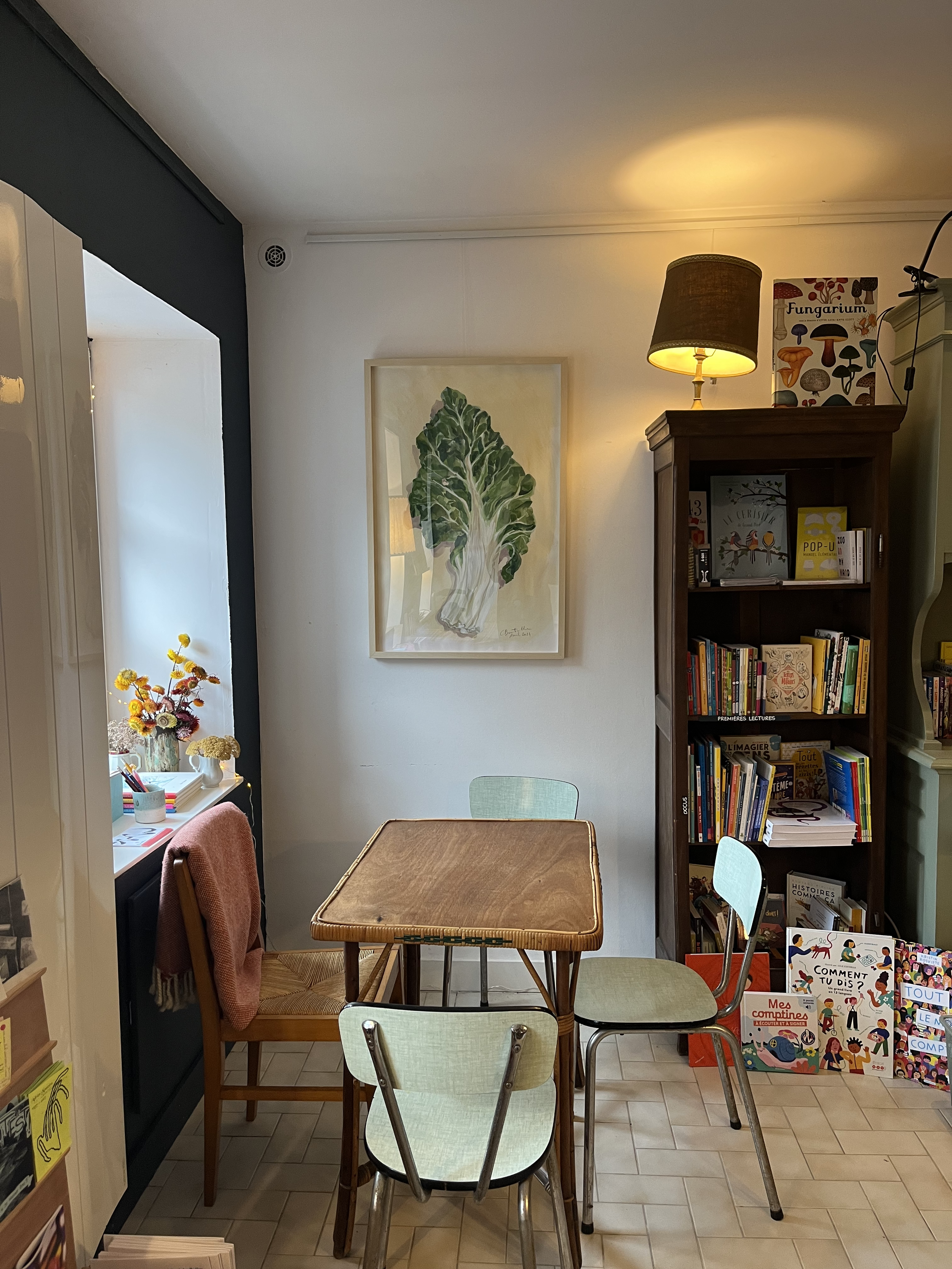
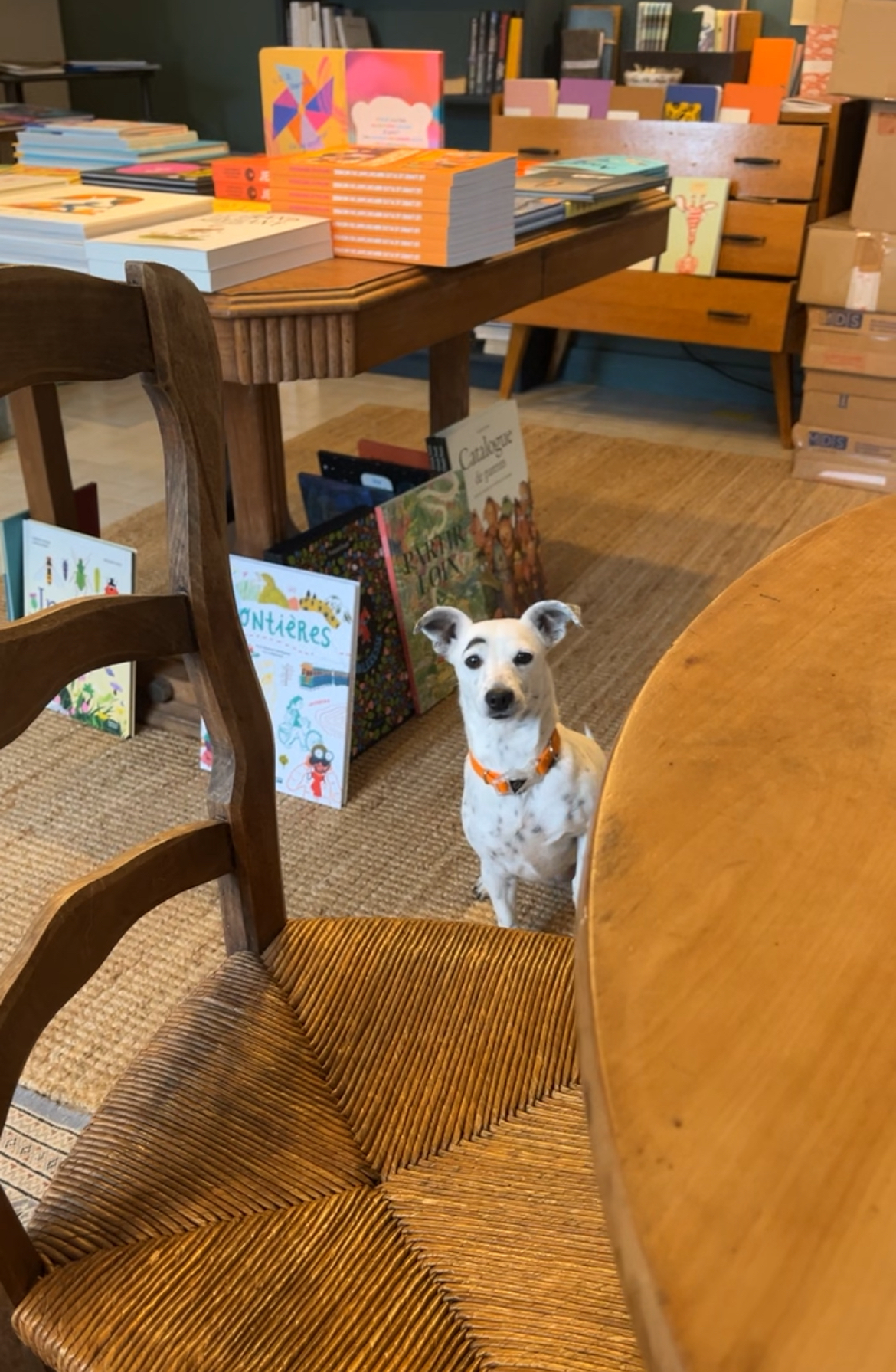
Pont-Aven, known as the “City of 15 Mills,” was a source for inspiration for Paul Gauguin, among its many water mills, paper mills, and grain mills. Some include the Moulin du Grand Poulguin, now an operating restaurant, and the 15th-century Moulin de Rosmadec. Here, I wandered along the fast river Aven that rushes through the town and picked up another copy of Le Petit Prince to grow my polyplot collection. Inside the Boucan Café-Librairie, I enjoyed a bowl of well seasoned soup and bread served with cheese and butter, alongside an iconic single eye-browed dog.
Quimperlé, not to be confused with Quimper, sits along the Laïta River. I stumbled into this spooky grey town on a grey January day, but still found some color and charm. I parked by the Pont Fleuri and then roamed around, finding myself on a Northern French extension of the Camino de Santiago, always marked by scallop shells. A vocal fan of cathedral cloisters, I quickly located the Ancienne Abbatiale de Sainte-Croix, only to find the cloisters closed off.
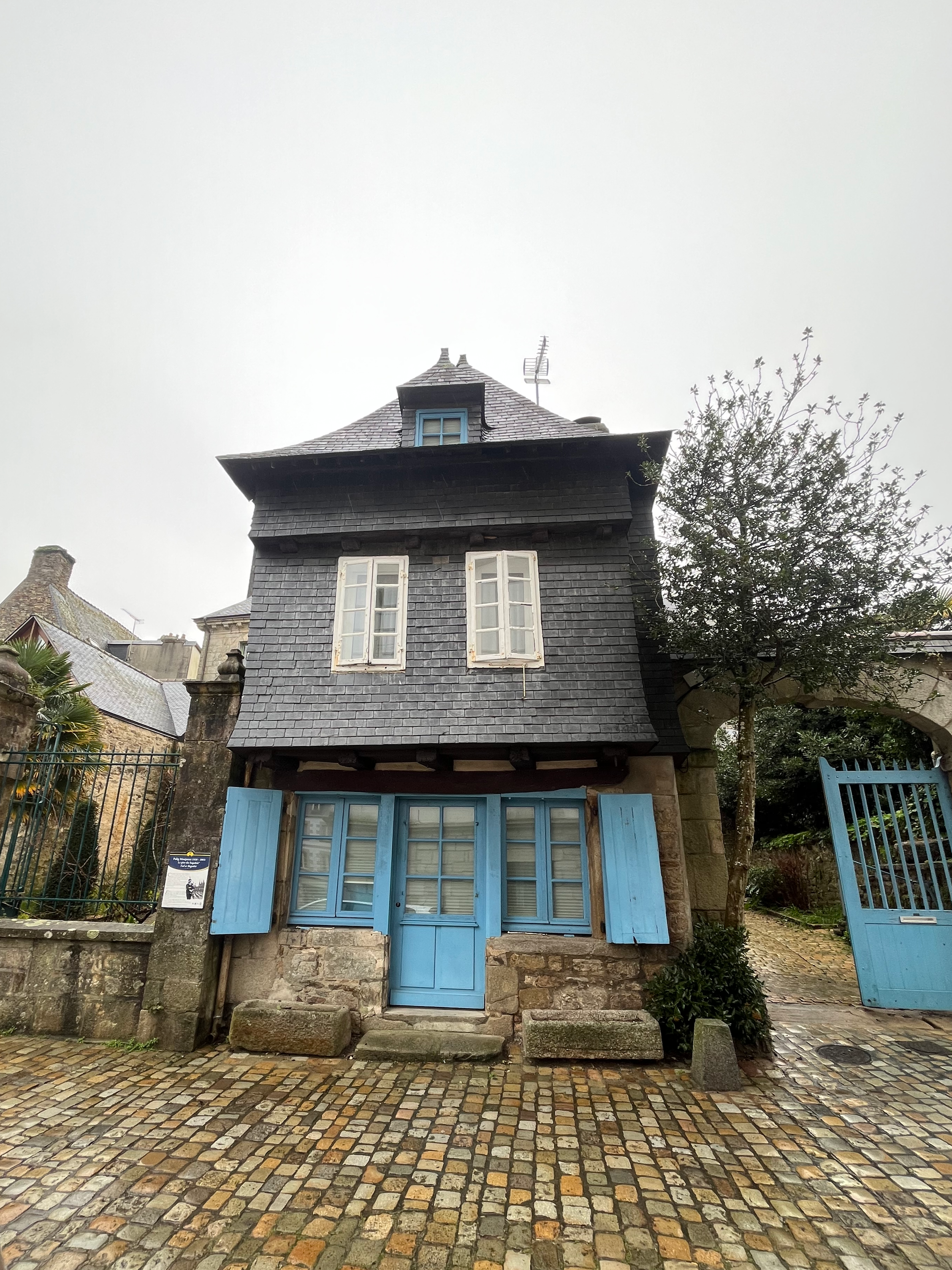
Quimper is the prefecture of Finistère and the ancient capital of Cornouaille. It’s found at the confluence of the Odet and Steir rivers (Kemper means confluent in Breton) and is known for the iconic Breton architecture and its towering gothic Cathédrale Saint-Corentin. On a rainy winter day, the only thing you can really do is stroll around the Jardin exotique de la Retraite under your umbrella and then duck into one of the many crêperies and pick your crêpe de blé noir poison. I found mine in the form of warm pears at Crêperie du Quartier on Rue du Sallé.
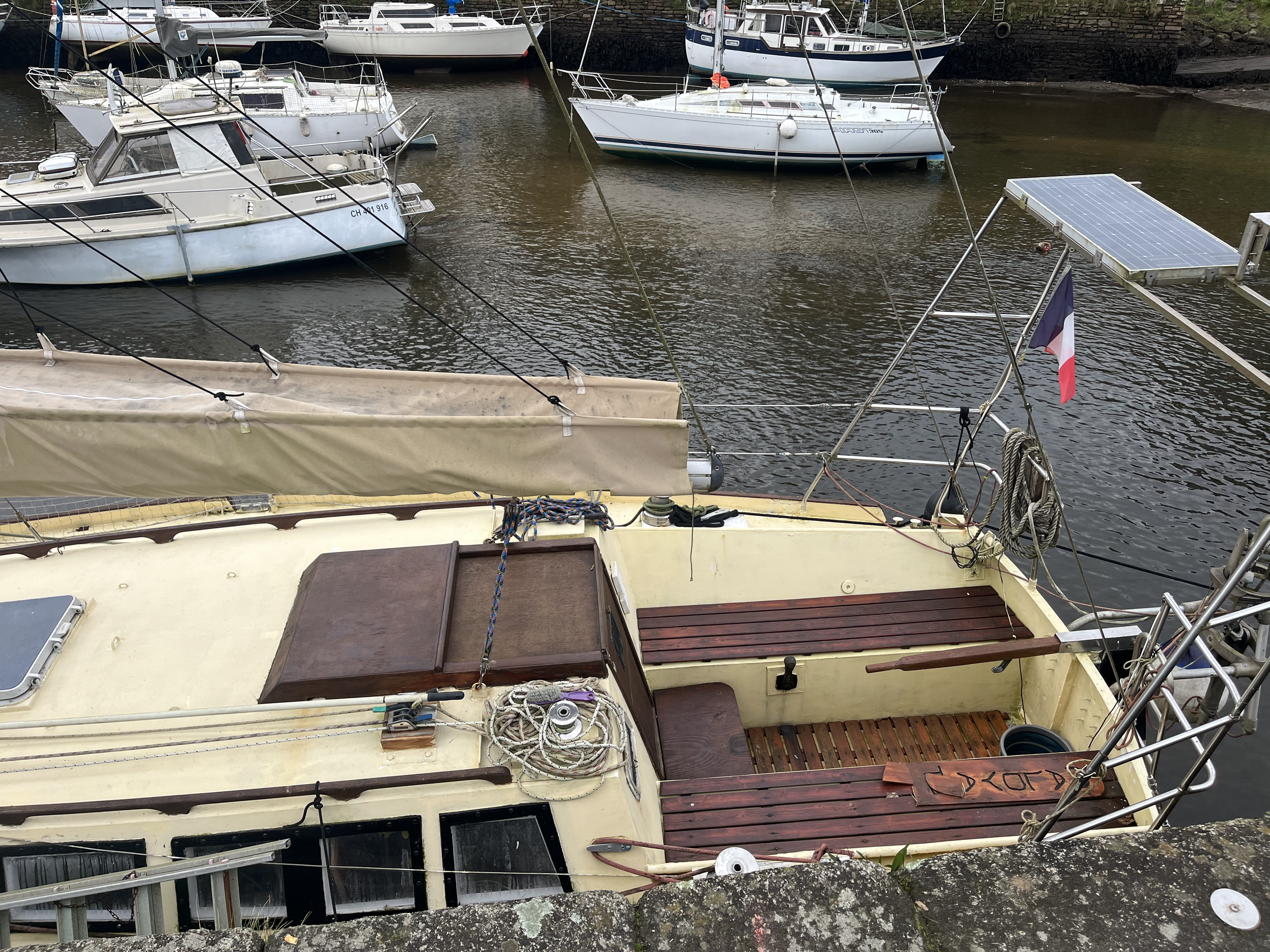
My last stop was the port town of La Forêt Fousenant. It’s just a tiny dot on the map by the Baie de La Forêt, part of the Bay of Biscay which is located south of the Celtic Sea and shores up on Biarritz in France and Donostia/San Sebastián in Spain. Some would drive through and not think twice, especially in the middle of the winter, but as someone born and raised in a small town by the beach, I know that the dead of winter is when the locals are free to be themselves. In a dive bar on the port, I savored my first Breton cidre.
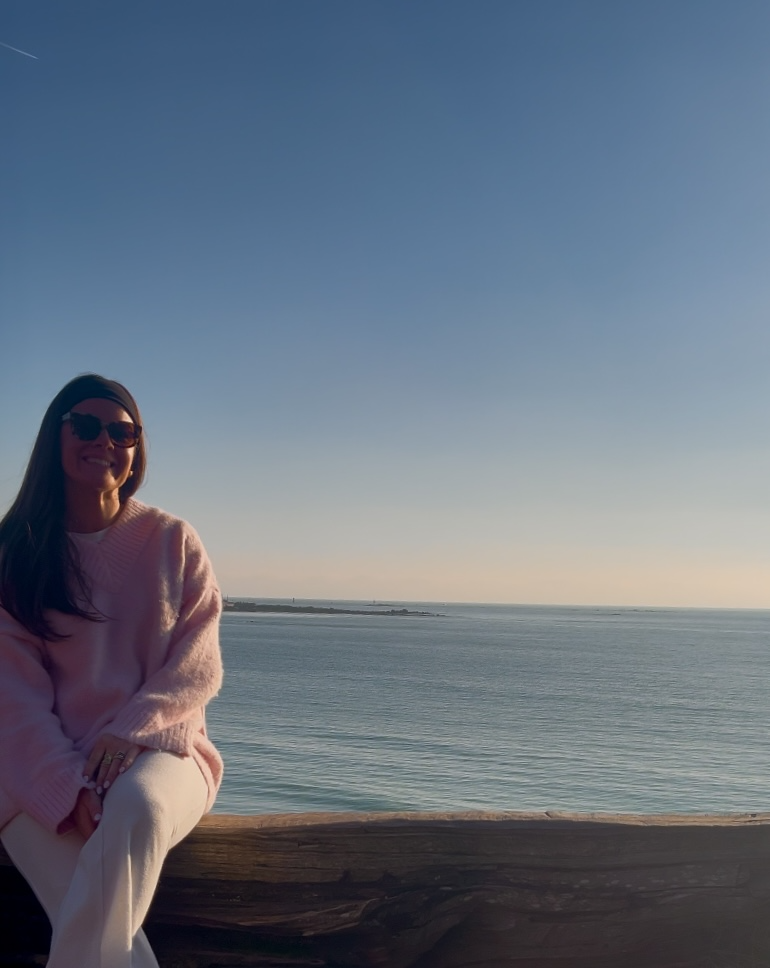
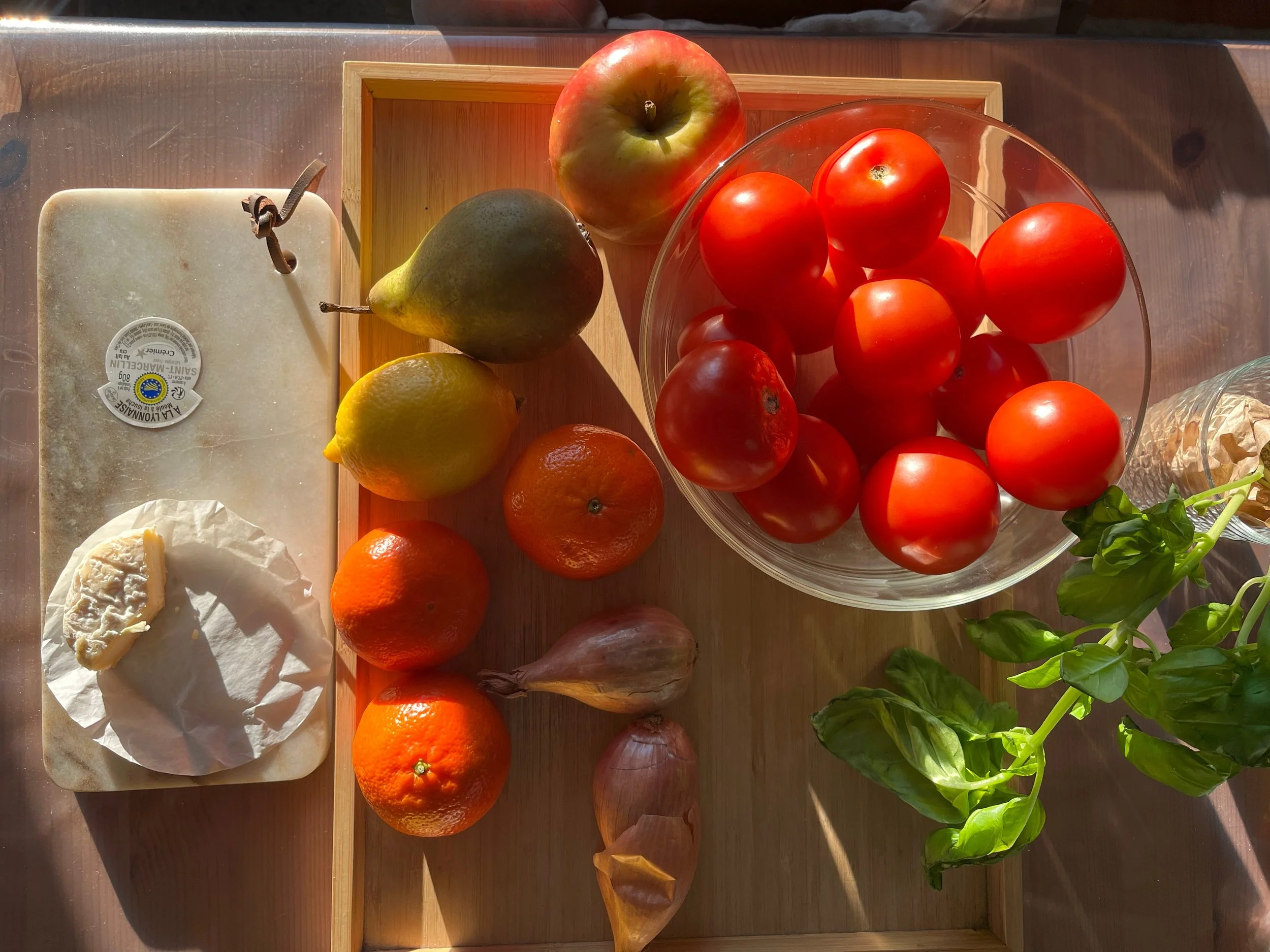
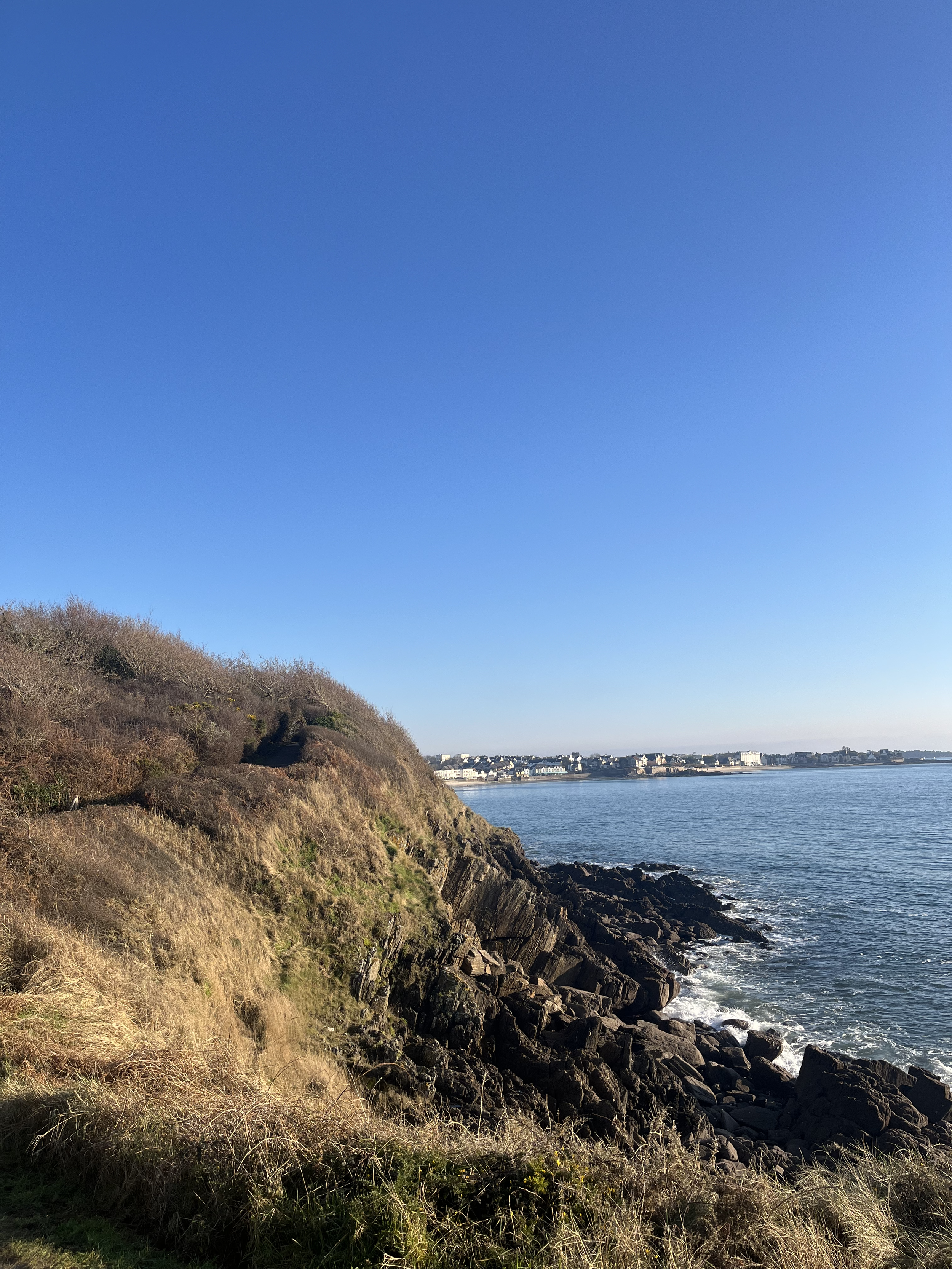
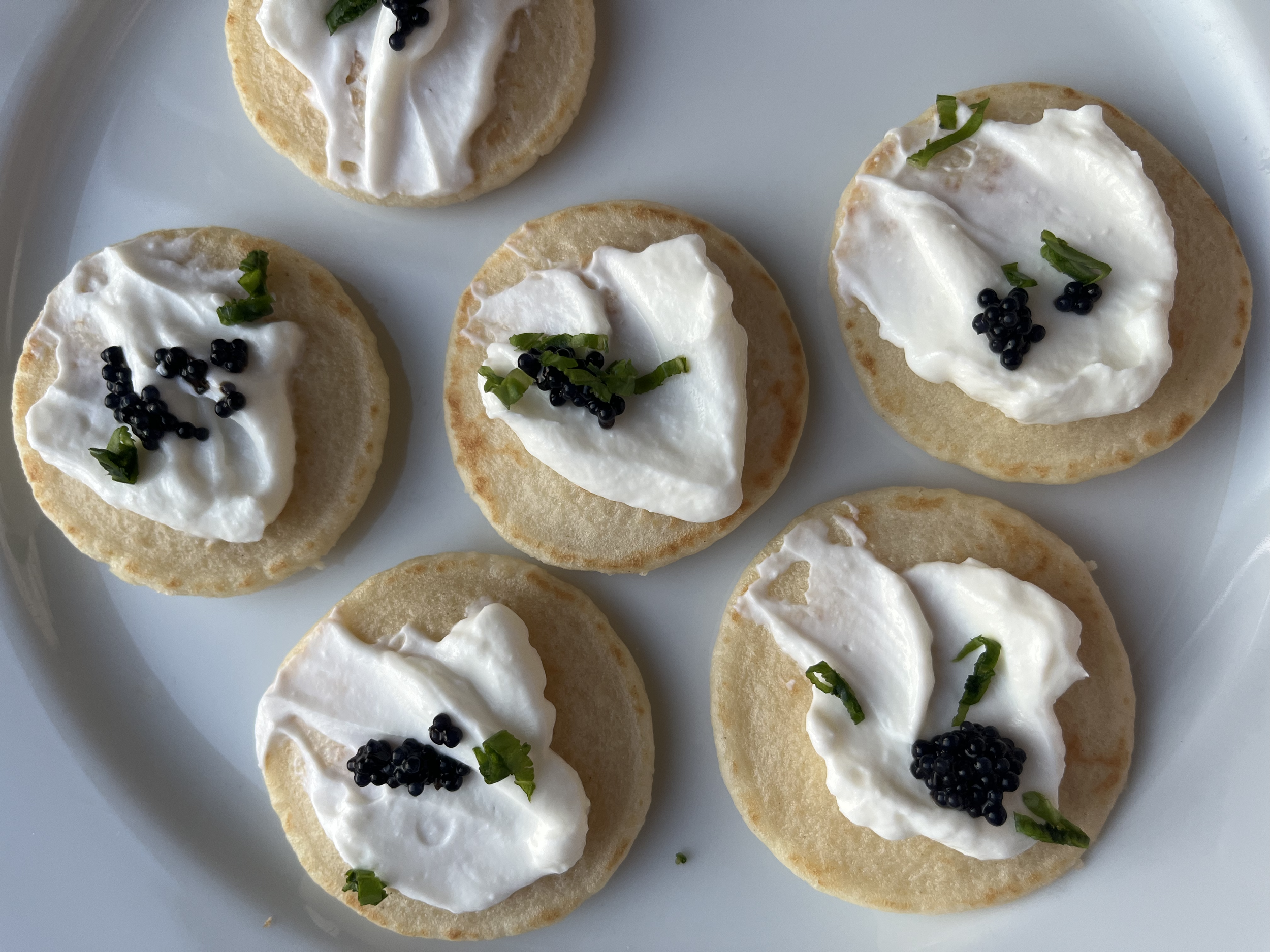
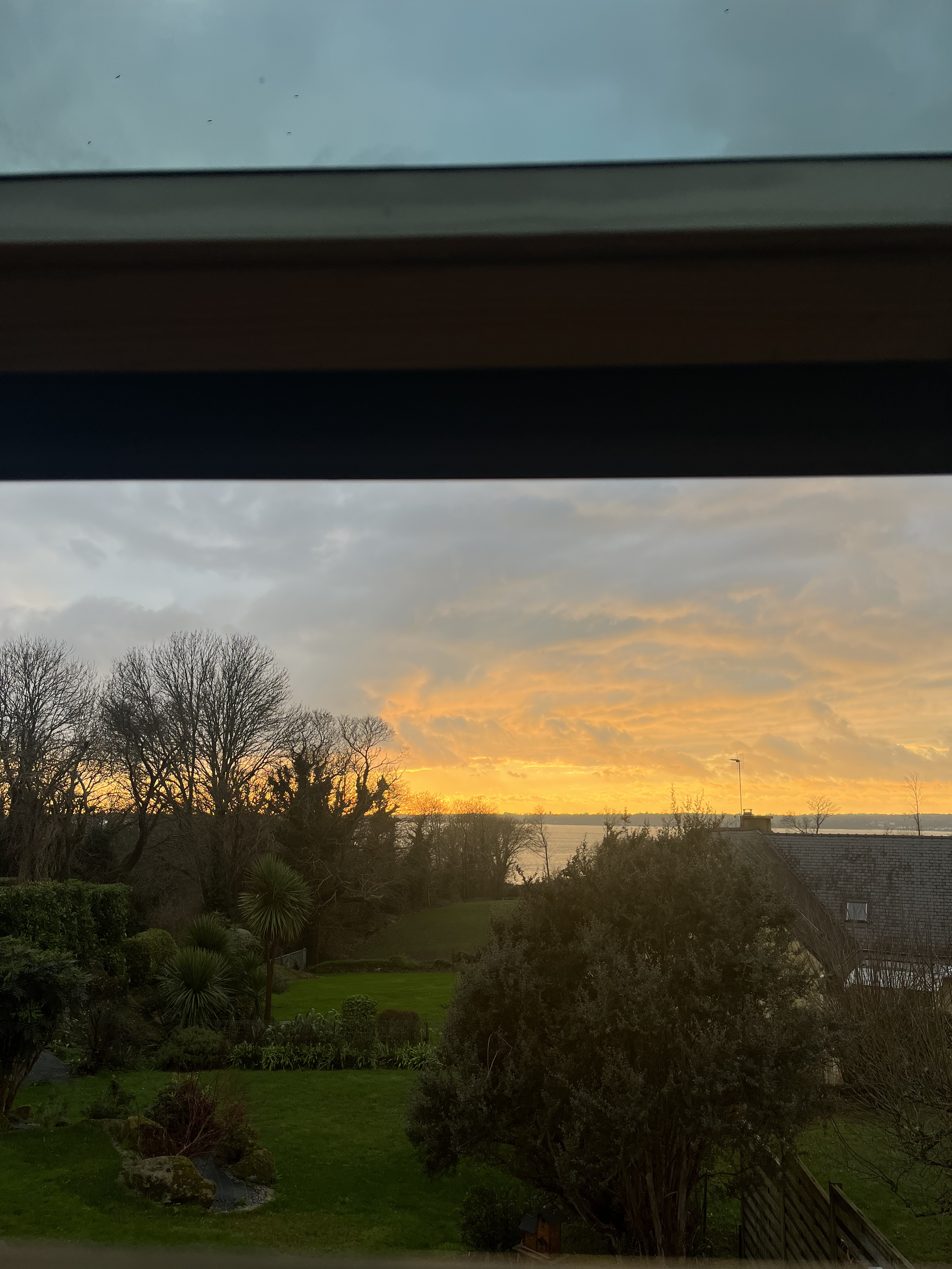
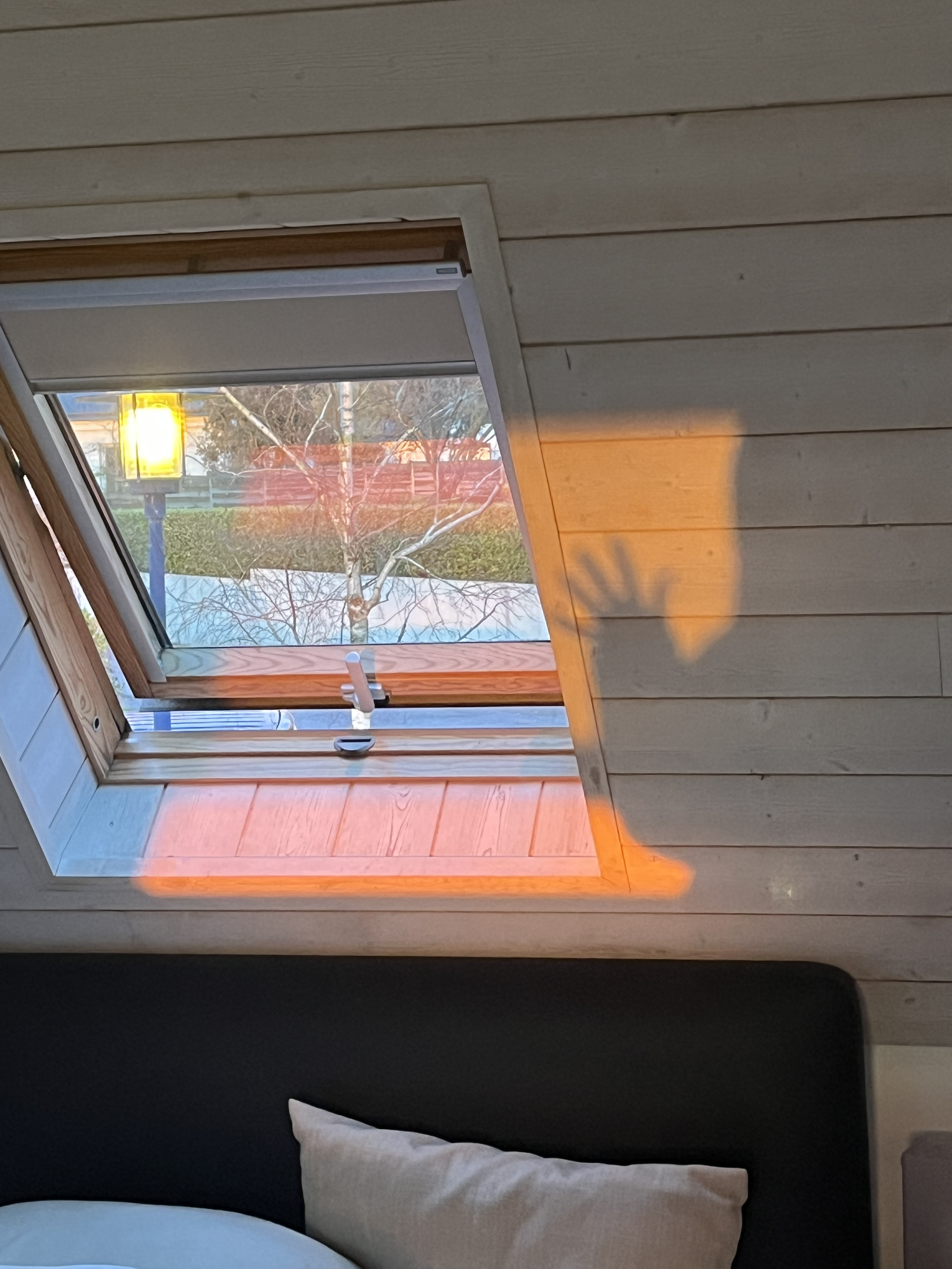
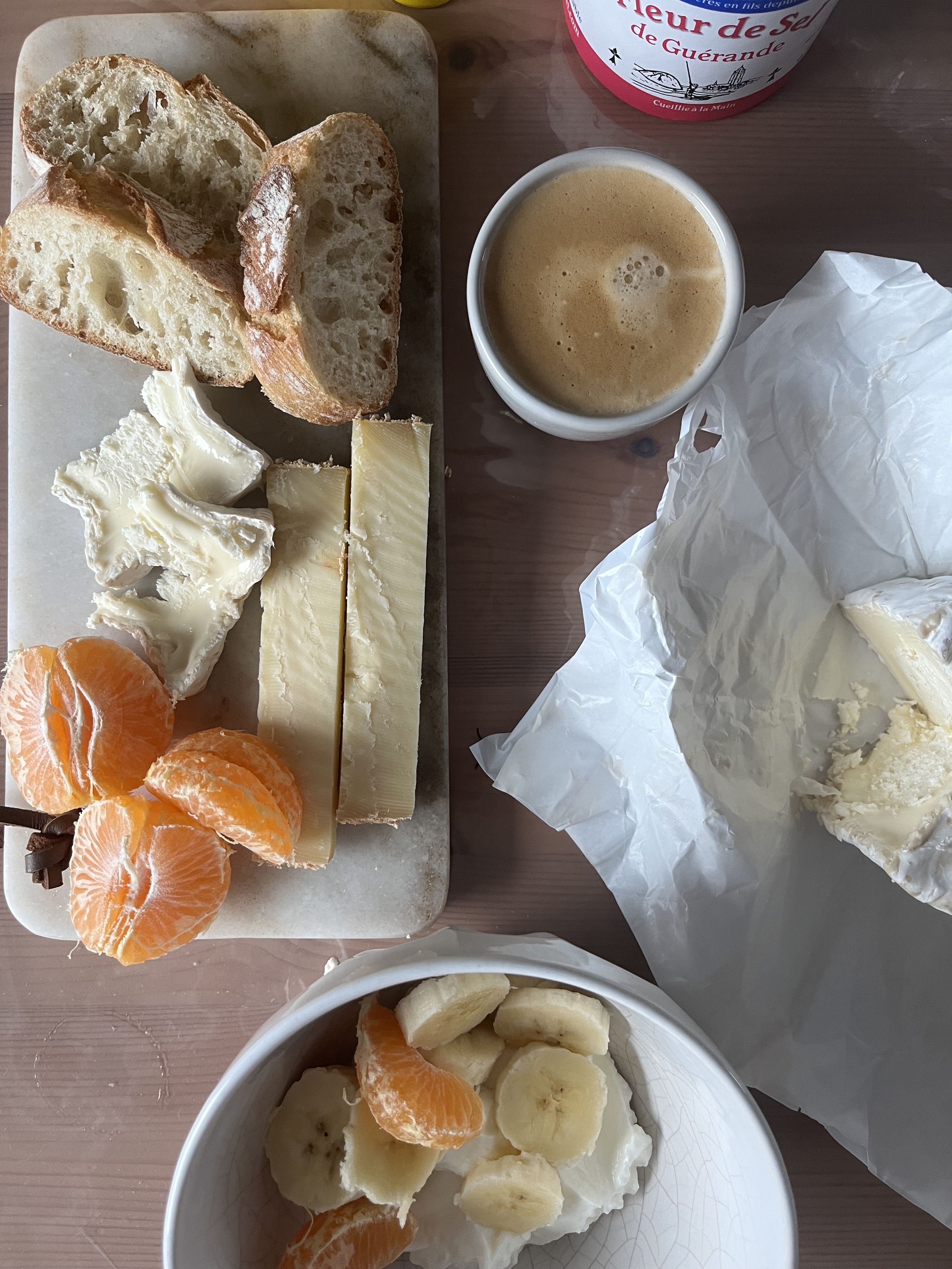
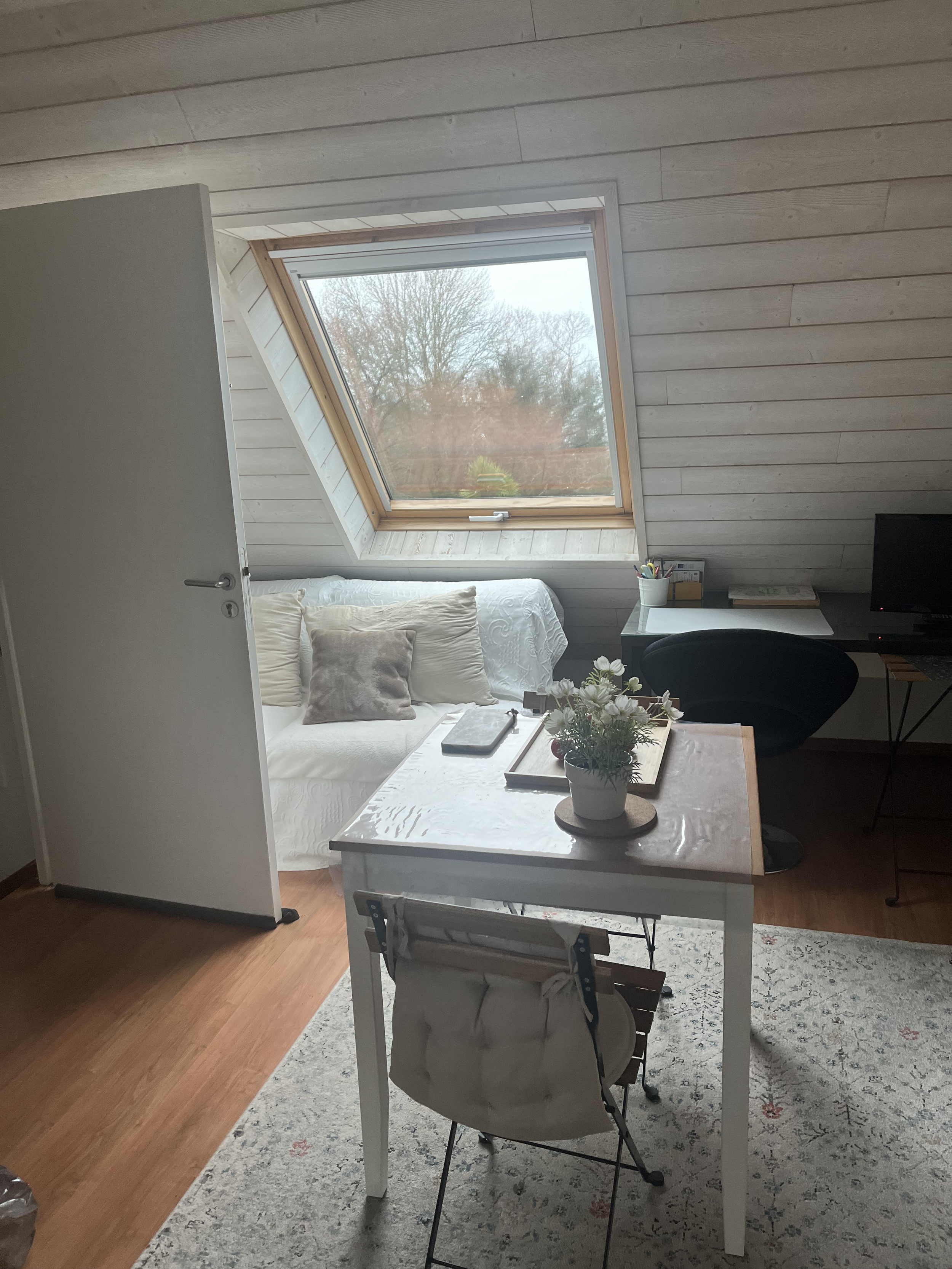
Back “home” in Concarneau, I spent the evenings going for walks between the beaches the speckle the coast. My chambre de bonne was between Plage des Sables Blancs and Plage de Kernous, an idyllic Breton setting for the sunset to beam through the sunlight. When solo, I usually eat dinner out only a few times, preferring to make my own meals with local produce and market fare. This week, salmon was on the menu, alongside beautiful tomatoes and cheeses, and my first taste of caviar.
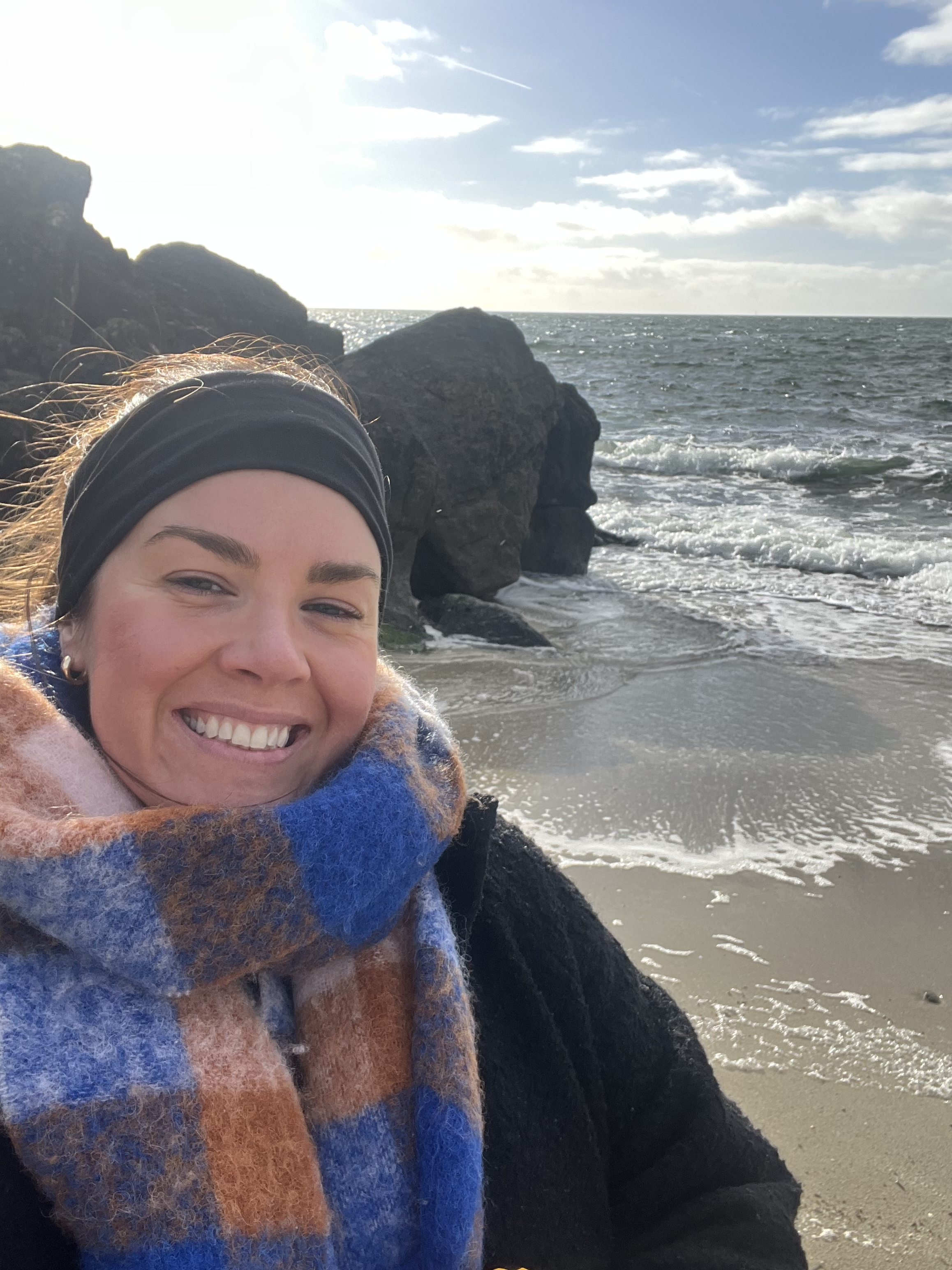
When it’s cold and raw outside, I always gravitate towards things that that offer a reminder of warmer weather. In the bio market near Concarneau, I found fresh basil whose aroma filled my chambre de bonne with hope. Blinis with crème fraîche and caviar is a quick and easy way to transport to a catamaran on the Mediterranean. A chilly beach walk can always produce some sea glass, or at the very least some scallop shells, for the collection. Ducking into a cosy bookstore-café for soup is one of the most quintessential winter activities, but make friends with the dog, and trust me, you’ll forget you’re wearing two pairs of wool socks instantly. Schedule the sunset. I’m not one for itineraries, but I always know when golden hour will be, and make sure I’m there for it.